
Big Bertha — German 42 cm siege howitzer (Dicke Bertha)
Big Bertha (Dicke Bertha) is the popular name for a family of 42 cm super‑heavy siege howitzers built by Krupp before World War I, used to attack modern fortifications and influence heavy artillery design.
Overview
"Big Bertha" (German: Dicke Bertha) is the popular name given to a family of super‑heavy 42 cm siege howitzers produced by the German firm Krupp on the eve of World War I. These weapons were intended to defeat modern concrete and masonry fortifications by delivering very large shells on steep, plunging trajectories. The name entered public use during the early months of the war and became a symbol of heavy artillery power.
Image gallery
7 Images


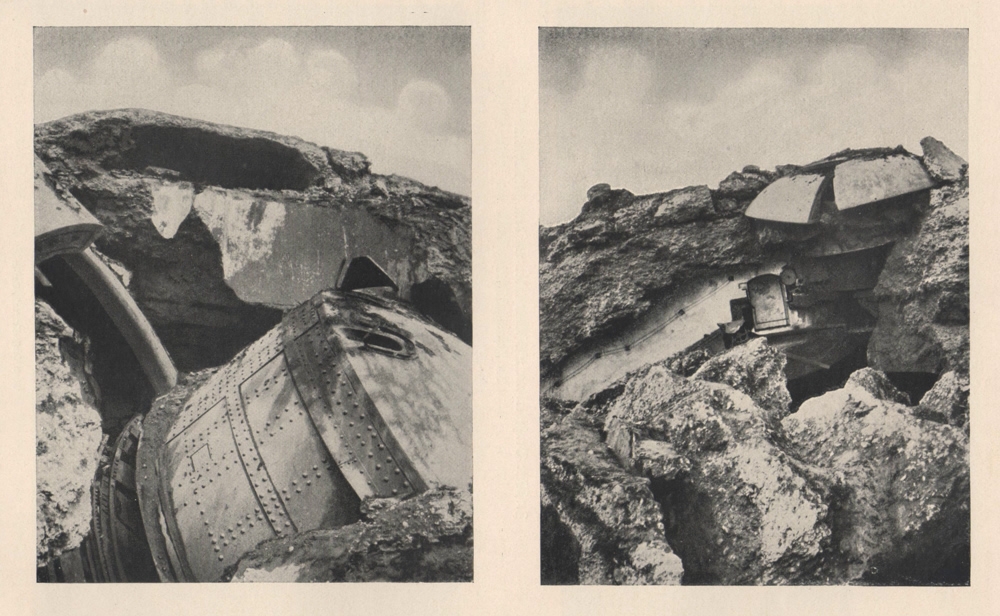

Design and characteristics
The guns were short‑barrel, large‑caliber howitzers designed for siege work rather than rapid field operations. Their high‑angle fire concentrated destructive energy on fort walls and interiors. Because of their size and weight they were normally transported in pieces and reassembled at prepared emplacements, requiring heavy wagons, cranes or rail transport and a substantial logistical effort to emplace and fire.
Operational history
Big Bertha pieces were used in 1914 during German operations against fortified Belgian and French positions. Their ability to breach forts that resisted standard field artillery helped to overcome early defensive works and contributed to rapid advances in some sectors. Over time, defenders adapted with changes in fort design, dispersal, and countermeasures that reduced the tactical surprise of such super‑heavy guns.
Production and logistics
Manufacture and deployment of super‑heavy howitzers involved specialized factories, heavy transport equipment and trained crews. Emplacing a single battery could take many hours or days of preparation. Such logistical demands limited the number that could be used at once and tied their employment to carefully planned siege operations.
Legacy
Big Bertha exemplified a shift in early 20th‑century warfare toward powerful, specialized siege artillery and influenced later designs such as railway guns and large coastal batteries. Beyond technical impact, the name also had a strong cultural and psychological effect during the war years, becoming shorthand for overwhelming firepower. The precise origin of the nickname is uncertain but it was popularly associated with the Krupp family name and industrial reputation.
- Role: specialized siege and fort‑busting weapon rather than general‑purpose field artillery.
- Notable uses: involved in the reduction of early war forts and sieges in 1914.
- Impact: prompted changes in fortification design and the organization of heavy artillery logistics.
For technical summaries and period context see contemporary descriptions of the howitzer class and histories of the Krupp works at the outbreak of World War I. The manufacturer's role and the weapon's cultural presence are discussed in broader accounts of early 20th‑century military technology and industrial armaments by sources covering Krupp and wartime artillery development.
Related articles
Author
AlegsaOnline.com Big Bertha — German 42 cm siege howitzer (Dicke Bertha) Leandro Alegsa
URL: https://en.alegsaonline.com/art/11319