
Abraham: Patriarch of Judaism, Christianity and Islam
Abraham (originally Abram) is a central patriarch in the Bible and Qur'an whose life and covenantal role shaped Judaism, Christianity and Islam and the idea of the Abrahamic religions.
Abraham, first called Abram, is a foundational figure in the sacred texts of several world religions. He appears prominently in the Book of Genesis and is also described in the Qur'an. In religious traditions he is widely regarded as a forefather: for Jews he is the progenitor of the Israelite line, for Christians he is a model of faith, and for Muslims he is an important prophet and exemplar. These faiths are frequently grouped as the Abrahamic religions because of their shared association with his story.
Image gallery
10 Images



Life and family
The narratives present Abraham as the son of Terah and the younger brother of Nahor, with Haran as another sibling. He is described as a migrant who left his place of origin in obedience to a divine call and settled in the land later known as Canaan. His personal name changes—from Abram to Abraham—are linked in the texts to a promise of becoming the father of many nations.
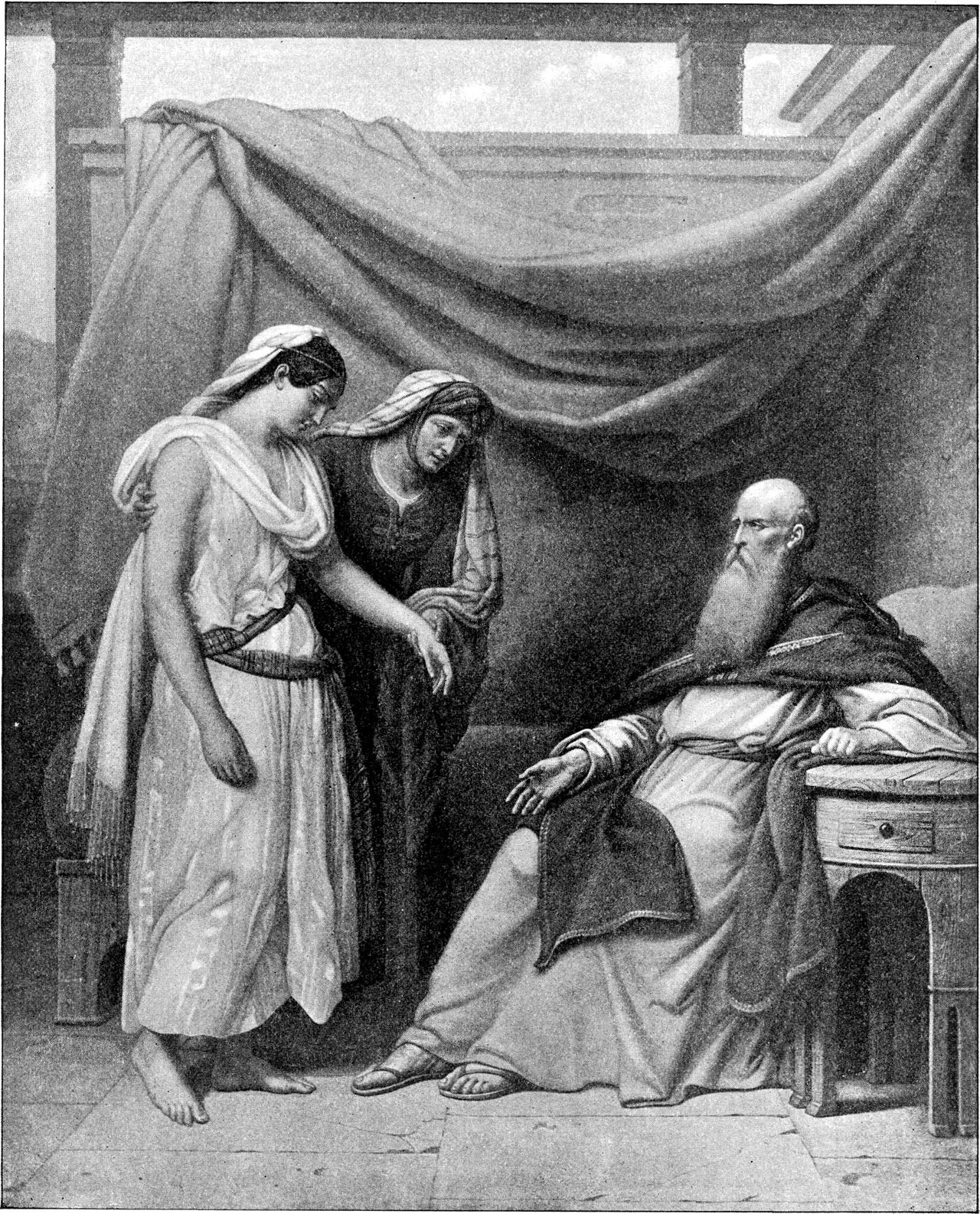
Scriptural accounts emphasize his immediate family and descendants. With his wife Sarah he fathered Isaac, and with Sarah's servant Hagar he fathered Ishmael. After Sarah's death the texts record that Abraham married Keturah and had other children; through Isaac came Jacob and Esau, and the wider genealogical traditions name Abraham as ancestor of the Israelites, the Ishmaelites and other peoples. These relationships are often summarized by describing Abraham as an ancestor or patriarch of later nations.
Key episodes and themes
- The covenant: central to Abraham's role is a divine promise that he would be the father of many descendants and that his line would inherit a land—this covenant frames much theological reflection in later traditions.
- Reproduction and promise: Abraham's marriage to Sarah and the birth of Isaac after a period of infertility are presented as signs of divine intervention and fulfillment of promise.
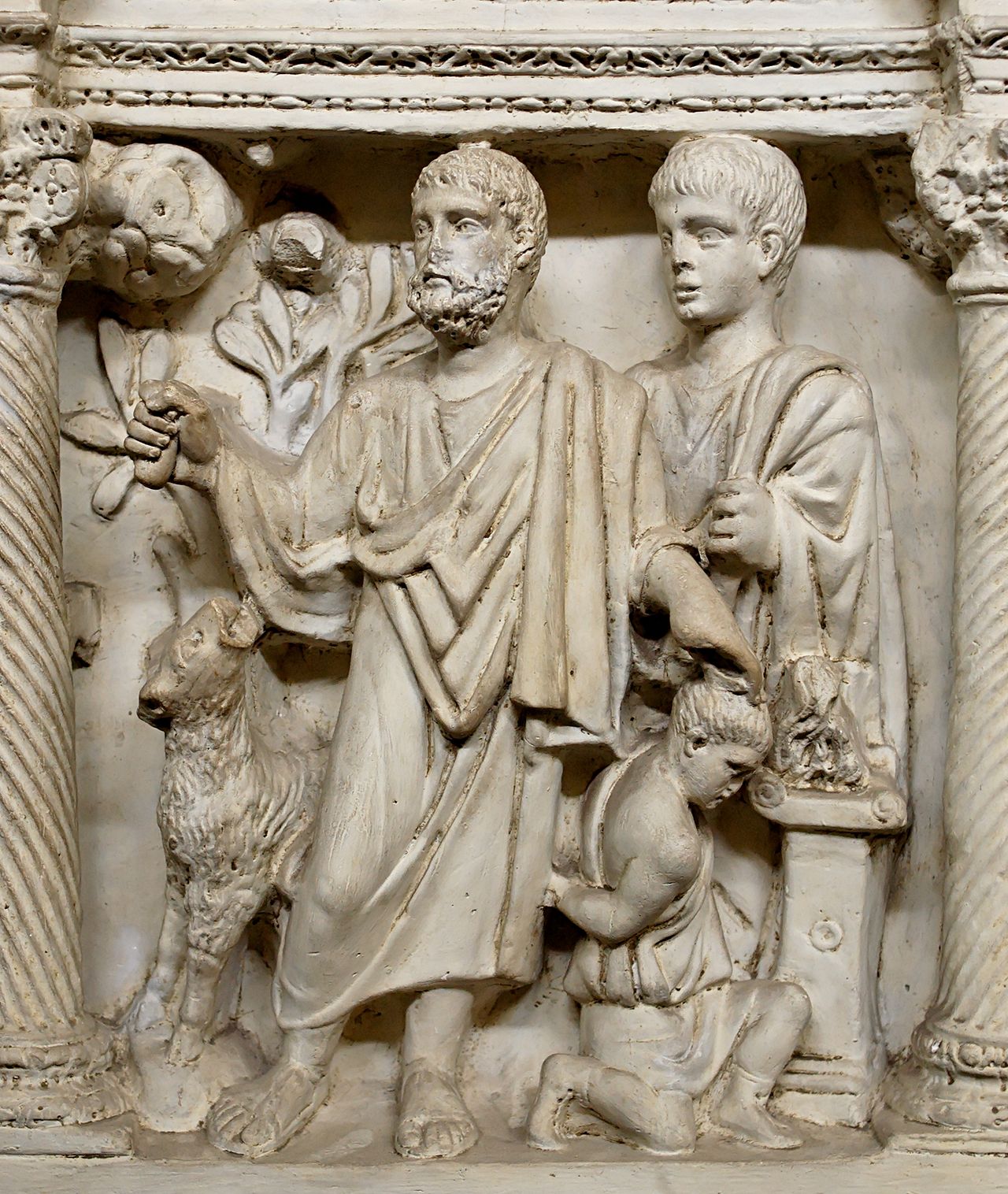
- The near-sacrifice: a test of faith often known by the Hebrew term "Akedah" is recounted in Jewish, Christian and Muslim sources, where God tests Abraham's willingness to sacrifice his son; traditions differ about details and emphasis.
- Migration and identity: Abraham's journey from his original home and his life as a sojourner are portrayed as formative for concepts of covenantal identity and trust in divine guidance.
Religious significance and interpretation
In Judaism (Jewish) Abraham is the first of the patriarchs and a model of obedience to God. In Christianity (Christian) he is frequently cited for his faith and as a spiritual ancestor of believers. In Islam (Islamic) Abraham (Ibrāhīm) is revered as a prophet and as a builder of the sanctuary at Mecca in some traditions; his willingness to submit to God's will is highlighted. These shared features help explain why Abraham functions as a common point of reference across the three traditions.
Historical and cultural impact
Scholars treat Abraham's story variously as theological narrative, ancestral myth, or memory reflecting early Near Eastern contexts. Regardless of historical-critical conclusions, the figure of Abraham has had wide cultural influence: he appears in liturgy, art, legal and ethical reflection, and in the way communities articulate lineage and divine promise. His life has been used to explore questions about faith, covenant, hospitality and the moral demands of religious fidelity.
For further study of primary texts and comparative religious readings, consult editions and commentaries on the Book of Genesis, translations and exegesis of the Qur'an, and scholarly works that examine Abraham's role among Jews, Christians and Muslims. Many introductions to the patriarchal narratives also discuss his relationships with descendants such as Jacob and Ishmael, and his portrayal as ancestor of various peoples and lineages.
Notes: genealogical details in the texts include Abraham's parentage and kin—he is named as the son of Terah and a grandson in a line that appears in ancient genealogies—and his brothers are cited by name in the narratives. These elements are part of a larger literary and religious tapestry that has shaped both historical memory and ongoing religious devotion.


Outside of the biblical narratives and traditions dependent on them, there is no evidence for the existence of Abraham. The historical circumstances mentioned in the Abraham narratives also do not allow any clear conclusions to be drawn about the contemporary historical background of the biblical narratives. The archaeologists Israel Finkelstein and Neil A. Silberman point to some anachronisms in the text that suggest that the narratives may have been written in a late period. The time in which the Abraham narratives of the Tanakh take place is generally placed at the beginning of the 2nd millennium BCE.
Family Tree
|
|
|
|
|
|
|
|
|
|
|
|
|
|
|
| Unknown |
|
|
| Terach |
|
|
|
|
|
|
|
Unknown
| |||||||||||||||||||||||||
|
|
|
|
|
|
|
|
|
|
|
|
| |||||||||||||||||||||||||||||||||||||||||
|
|
|
|
|
|
|
|
|
|
|
|
|
|
|
|
|
|
|
|
|
|
|
|
|
|
|
|
|
|
|
|
|
|
|
| ||||||||||||||||||
|
|
|
|
|
|
|
|
|
|
|
|
|
|
|
|
|
|
|
|
| |||||||||||||||||||||||||||||||||
|
| Milka |
|
|
| Nahor |
|
| Haran |
| Unknown |
| Hagar |
| Abraham |
|
|
| Sarah |
| |||||||||||||||||||||||||||||||||
|
|
|
|
|
|
|
|
|
|
|
|
| |||||||||||||||||||||||||||||||||||||||||
|
|
|
|
|
|
|
|
|
|
|
|
|
|
|
|
|
|
|
|
|
|
|
|
|
|
|
|
|
|
|
|
|
|
|
|
| |||||||||||||||||
|
|
|
|
| Betuël |
|
|
| Unknown |
|
|
|
|
|
|
|
|
|
|
|
|
|
| ||||||||||||||||||||||||||||||
|
|
|
|
| |||||||||||||||||||||||||||||||||||||||||||||||||
|
|
|
|
|
|
|
|
|
|
|
|
|
|
|
|
|
|
|
|
|
|
|
|
|
|
|
|
|
|
|
|
|
|
|
| ||||||||||||||||||
|
|
|
|
|
|
|
|
|
|
|
|
|
| ||||||||||||||||||||||||||||||||||||||||
|
|
|
|
| Unknown |
|
|
| Laban |
|
|
|
|
|
|
|
|
|
|
|
|
| |||||||||||||||||||||||||||||||
|
|
|
|
|
|
|
|
|
|
|
| ||||||||||||||||||||||||||||||||||||||||||
|
|
|
|
|
|
|
|
|
|
|
|
|
|
|
|
|
|
|
|
|
|
|
|
|
|
|
|
|
|
|
|
|
|
|
|
|
| ||||||||||||||||
|
|
|
|
|
|
|
|
|
|
|
|
|
|
|
|
|
|
|
|
|
| ||||||||||||||||||||||||||||||||
|
|
|
|
| Lea |
|
|
|
|
|
|
|
|
|
|
|
|
|
|
| Bilha |
|
Silpa
| ||||||||||||||||||||||||||||||
|
|
|
|
|
|
|
|
|
|
|
|
|
|
|
| ||||||||||||||||||||||||||||||||||||||
|
|
|
|
|
|
|
|
|
|
|
|
|
|
|
|
|
|
|
|
|
|
|
|
|
|
|
|
|
|
|
|
|
|
|
|
|
| ||||||||||||||||
|
|
|
|
|
|
|
|
|
|
|
|
|
|
|
|
|
|
|
|
|
|
|
|
|
|
|
|
| |||||||||||||||||||||||||
|
|
|
|
|
|
|
|
|
|
|
|
|
|
|
|
|
|
|
|
|
|
|
|
|
|
|
|
|
|
|
|
|
|
|
|
|
|
| |||||||||||||||
|
|
|
|
|
|
|
|
|
|
|
|
|
|
| |||||||||||||||||||||||||||||||||||||||
|
|
|
|
|
|
|
|
|
|
|
|
|
|
|
|
|
|
|
|
|
|
|
|
|
|
|
|
|
|
|
|
|
|
|
|
|
|
|
|
| |||||||||||||
|
|
|
|
|
|
|
|
|
|
|
|
|
|
|
|
|
|
|
|
|
|
|
|
|
|
|
|
|
|
|
|
|
|
|
| ||||||||||||||||||
| Simeon | Levi | Judah | Issachar | Sebulon | Dina | Benjamin | Dan | Naftali | GadAscher | |||||||||||||||||||||||||||||||||||||||||||
In Islam
→ Main article: Abraham in Islam
Related articles
Author
AlegsaOnline.com Abraham: Patriarch of Judaism, Christianity and Islam Leandro Alegsa
URL: https://en.alegsaonline.com/art/489