
Altar: Purpose, Forms, History, and Use in Religious Practice
An altar is a surface or structure used for ritual actions in many faiths. This article explains its forms, history, functions, and distinctions across traditions in clear, neutral language.
An altar is a defined surface or structure where religious actions are performed. In everyday language an altar can be as simple as a table set aside for offerings, prayer, or ritual objects, or as complex as an architecturally integrated stone platform inside a place of worship. Altars appear in Christianity, as well as many other systems of belief and practice, and they serve both communal and private devotional roles.
Image gallery
10 Images




Typical characteristics and components
Altars vary in size, material and decoration, but several common elements recur: a horizontal surface on which actions are performed; a location that is ritually designated or consecrated; and objects associated with rites, such as candles, incense, vessels, or sacred texts. In some traditions an altar includes an altar cloth or a fixed stone called an altar stone; in others it is a shelf or niche. The person who presides—often a priest, minister or household head—uses the altar to present offerings, perform sacraments, or lead prayers.
Historical development
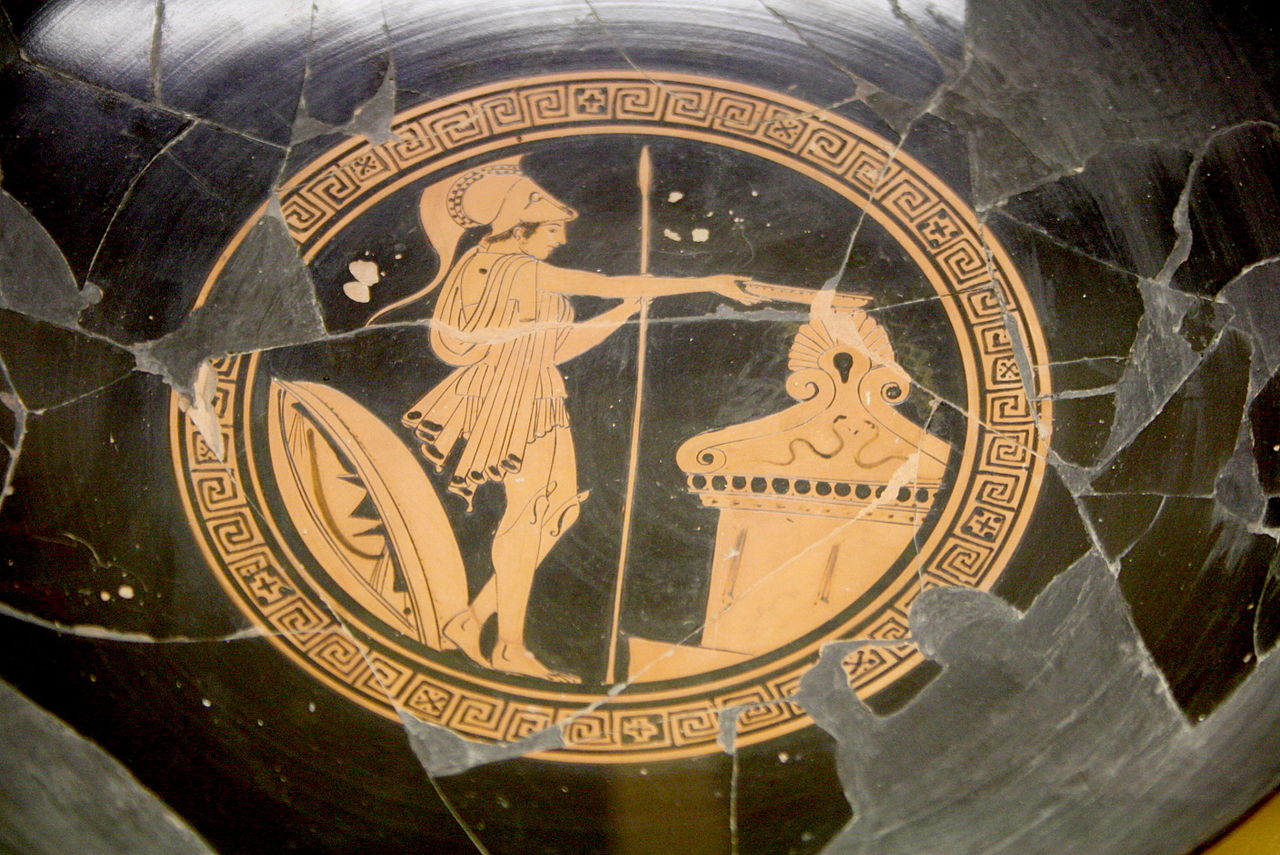
Historically, altars have served as settings for sacrifices, votive offerings and communal meals. In many ancient cultures an open-air altar marked by stones or earth offered a site for animal or libation sacrifices. Over centuries, altars became incorporated into permanent buildings and were given ritual rules and symbolic meanings—such as the Christian altar as the place of the Eucharist, or the Hindu home altar for daily puja.
Functions and examples
- Liturgical rites: In congregational worship, an altar may be the focal point for sacraments, blessings and liturgy.
- Offerings and sacrifice: Some faiths historically used altars for animal or symbolic offerings; many modern practices emphasize symbolic offerings such as food, flowers or light.
- Private devotion: Domestic altars house icons, photos or relics for family prayer and remembrance.
- Commemoration: Altars can mark sacred events, saints, ancestors or local holy places.
Distinctions and notable facts
An altar is distinct from a shrine or a simple memorial in that it is primarily an action-centered place rather than only a display of veneration. Some faiths require consecration or formal dedication before an altar may be used; others accept a deliberately set‑aside surface. While many other religions continue longstanding altar traditions, contemporary use often balances continuity with adaptations—such as portable altars for travel or simplified home setups for modern living.
Because altars are both physical and symbolic, they reveal much about how communities understand sacred time, the relationship between people and the divine, and how ritual objects mediate that relationship. Whether modest or monumental, altars remain central features of religious practice worldwide.
Related articles
Author
AlegsaOnline.com Altar: Purpose, Forms, History, and Use in Religious Practice Leandro Alegsa
URL: https://en.alegsaonline.com/art/3033