
Abel (biblical figure)
Abel, the second son of Adam and Eve in the Bible, is known as a shepherd killed by his brother Cain. His story raises themes of sacrifice, jealousy, and early religious interpretation across Judaism, Christianity, and Islam.
Abel is a central figure in one of the earliest moral narratives in the Abrahamic scriptures. According to the biblical account, he was the younger son of Adam and Eve and a shepherd by occupation. His conflict with his elder brother Cain culminated in Abel's murder, an event traditionally regarded as the first homicide in human history and a formative episode about sin, responsibility and divine judgment.
Image gallery
6 Images


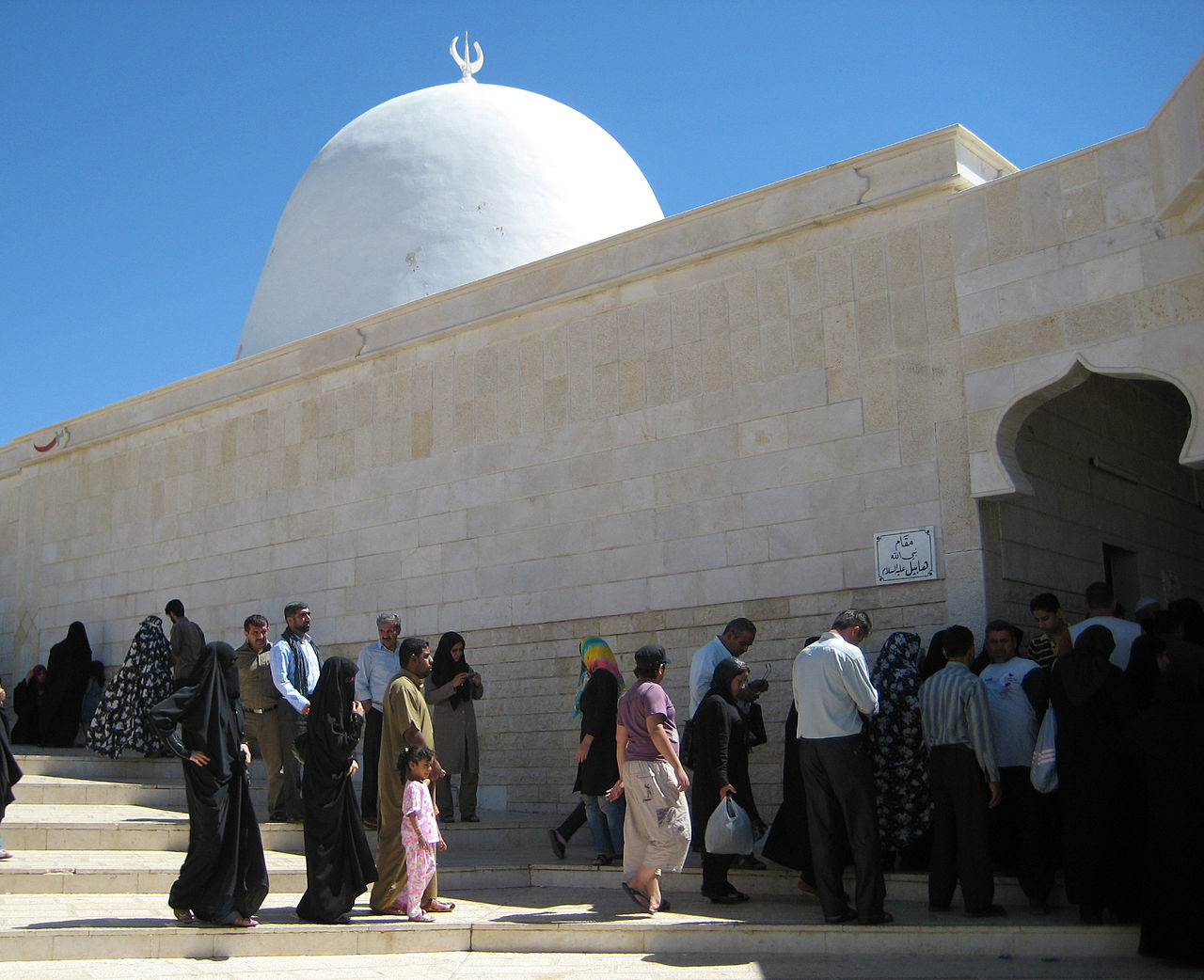

Characteristics and role
In scriptural and later religious treatments, Abel appears primarily as a righteous, obedient individual and as a shepherd who offered the best of his flock to God. He is often contrasted with Cain, a tiller of the ground whose offering did not receive divine favor. Abel's identity is defined less by personal biography and more by the symbolic functions he performs: victim, martyr, and exemplar of acceptable worship.
The story and its readings
The canonical account describes both brothers presenting offerings to God. Abel's offering of animals is depicted as pleasing, while Cain's offering of crops is not. This difference has prompted many interpretations: some read it as a reflection of the donors' attitudes and moral sincerity, others see it as a theological point about what constitutes proper sacrifice. Envy and anger drive Cain to kill Abel, after which God confronts Cain and imposes consequences. The episode has been read as an exploration of human culpability, divine justice, and the societal consequences of unchecked resentment.
Religious and cultural significance
- Judaism and Christianity: Abel is commemorated as a righteous figure. In Christian thought he is often regarded as the first martyr and a forerunner of themes of atonement and innocent suffering.
- Islamic tradition: While the Qur'an recounts a fratricidal episode, later Islamic exegesis commonly names the brothers as Habil and Qabil and treats the story as an ethical lesson about envy and repentance.
- Literature and art: The Cain and Abel motif recurs widely in literature, painting and music as an archetype of sibling rivalry and moral failure.
Notable distinctions and legacy
Scholars and theologians emphasize several layers of meaning in Abel's story: ethical (warning against jealousy), ritual (questions about sacrifice), and anthropological (origins of violence). The narrative invites reflection on human motives behind religious acts and on the social fallout of injustice. For readers wanting the primary account, see Genesis 4; later New Testament writers also refer to Abel when discussing faith and righteousness.
Though brief in the sacred texts, Abel's figure has had a long afterlife as a symbol of innocent suffering, a touchstone in debates about proper worship, and a moral exemplar across multiple faith traditions.
Questions and answers
Q: Who is Abel?
A: Abel is the brother of Cain who was murdered by his older brother out of jealousy and envy.
Q: What did Abel do for a living?
A: Abel herded animals, namely sheep and goats.
Q: What did Cain do for a living?
A: Cain was a farmer who spent his days sowing and reaping the land that his younger brother's animals would graze from.
Q: What did Cain present to God as a sacrifice?
A: Cain presented produce from his crops as a sacrifice to God.
Q: What did Abel present to God as a sacrifice?
A: Abel presented his blood sacrifice of living animals to God.
Q: Who did God favor more, Cain or Abel?
A: God was more pleased with Abel's sacrifice of living animals than Cain's produce from his crops.
Q: Why did Cain kill Abel?
A: Cain took great offense to God favoring Abel, leaving his mind vulnerable to The Devil's poisonous reasonings. As a result, he slew his brother in cold blood.
Related articles
Author
AlegsaOnline.com Abel (biblical figure) Leandro Alegsa
URL: https://en.alegsaonline.com/art/113227
Sources
- tools.wmflabs.org : Gen 4:1-16