
Heaven (religious concept and afterlife realm)
Heaven is a religious idea of a transcendent realm or state associated with reward, peace, or union with the divine after death; descriptions and meanings differ among cultures and faiths.
Heaven is a widely attested religious notion referring to a transcendent realm or a state of blessedness associated with the afterlife. It is often called Paradise or the Kingdom of Heaven in different traditions. As a concept, heaven addresses questions about the afterlife — that is, what happens after somebody dies — and appears in many religions worldwide. Some descriptions emphasize moral reward, others spiritual union, and yet others describe a restored natural order free of suffering.
Image gallery
10 Images


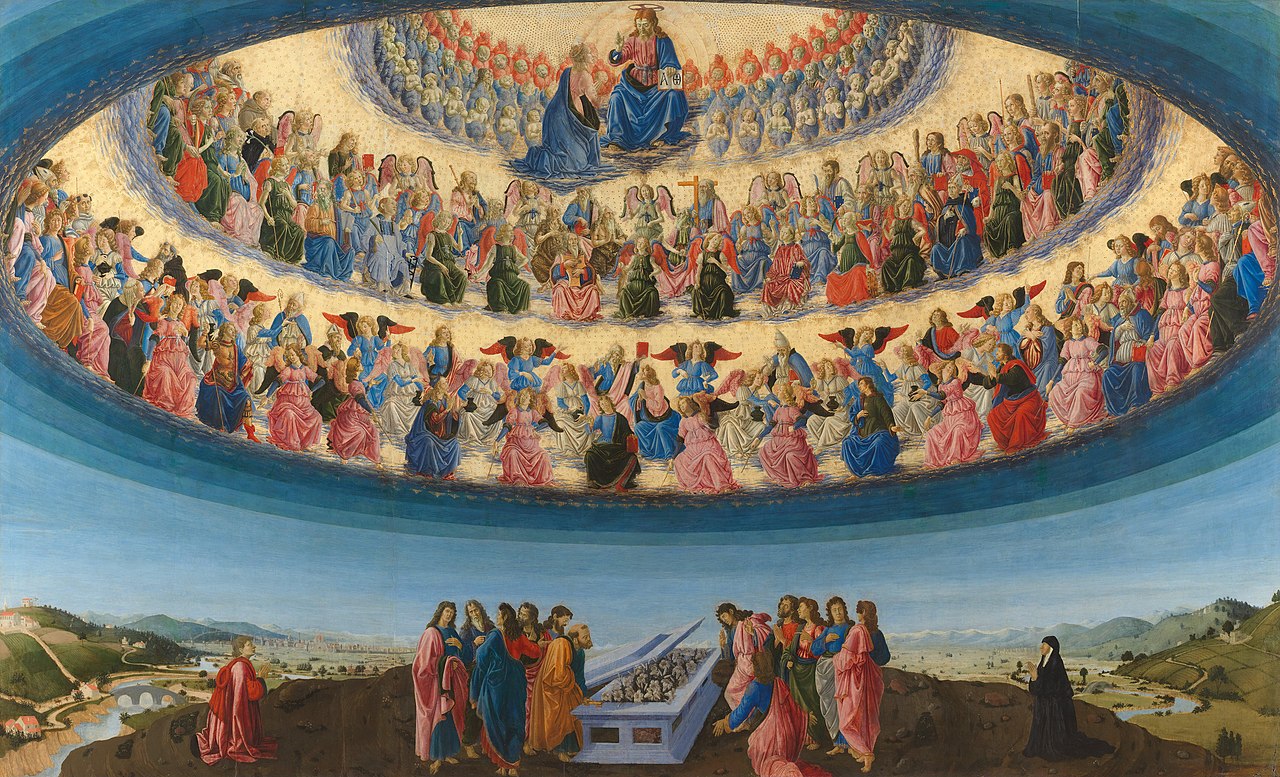


Typical characteristics and imagery
Accounts of heaven often use symbolic language: light, gardens, music, and dwellings near a divine presence. Many believers describe heaven as ideal, tranquil, or even perfect in contrast to earthly life. The emphasis may be on continued individual existence, communal fellowship, or a state of liberation from desire and rebirth. In many cultural narratives heaven is paired with a contrasting realm of punishment or loss, commonly referred to as Hell, though how these two ideas relate varies greatly.
Historical development and traditions
The idea of a heavenly realm evolved separately in different societies. In Abrahamic faiths, strands of Jewish, Christian and Islamic thought developed richly detailed images of heaven informed by scripture, liturgy, and art. In South Asian religions, concepts such as liberation (moksha) or nirvana serve some of the same functions as heaven while differing in metaphysical detail. Over centuries, theology, philosophy and popular imagination all shaped how heaven was depicted and who could enter it.
Functions and significance
Belief in heaven plays several roles: it offers consolation about death, motivates ethical behavior, and provides ultimate meaning or hope. Rituals, prayers, and moral teachings frequently point toward this promised state. Artists and writers have repeatedly used the idea to explore ethics, mortality, and the human longing for perfection.
Variations and important distinctions
- Some traditions view heaven as a literal place; others treat it as a metaphor or spiritual condition.
- Access may be thought to depend on moral conduct, divine grace, ritual observance, or spiritual insight.
- The duration and personal identity of existence in heaven is debated: eternal personal life, absorption into the divine, or symbolic continuity are all maintained by different groups.
For further reading about related ideas, see discussions of Paradise, scholarly treatments of the concept of afterlife, comparative overviews of the afterlife, and resources on beliefs about what happens after somebody dies across religions. Other entries examine notions of a perfect world and contrasting ideas of Hell.
Questions and answers
Q: What is heaven?
A: Heaven is a place where good people go when they die, and it is a concept of the afterlife in many religions.
Q: What are some other names for heaven?
A: Some other names for heaven include Paradise, the Garden or Kingdom Come.
Q: Is heaven believed to be perfect?
A: Yes, some people who believe in heaven say it is a perfect place.
Q: Who goes to heaven after they die?
A: People who have been good in life are believed to go to heaven after they die.
Q: Is hell also a concept in religions?
A: Yes, some people also believe in Hell, which is a place bad people go when they die if they have been bad in life.
Q: Are the ideas of Heaven and Hell the same in all religions?
A: No, the ideas of Heaven and Hell are not the same in all religions.
Q: What exactly is heaven a concept of?
A: Heaven is a concept of the afterlife, which refers to what happens after somebody dies, in many religions.
Related articles
Author
AlegsaOnline.com Heaven (religious concept and afterlife realm) Leandro Alegsa
URL: https://en.alegsaonline.com/art/43133
Sources
- tools.wmflabs.org : Genesis 7:11,12
- tools.wmflabs.org : Genesis 1:1
- tools.wmflabs.org : Matthew 5:34
- tools.wmflabs.org : 2 Corinthians 12:1–4
- tools.wmflabs.org : Revelation 22
- vatican.va : Pius XII: Encyclicals
- gotquestions.org : gotquestions.org
- usc.edu : 13:35
- usc.edu : 18:31
- usc.edu : 38:49-54
- usc.edu : 35:33-35
- usc.edu : 52:17-27
- paganwiccan.about.com : paganwiccan.about.com