
Bay of Pigs Invasion
A 1961 failed amphibious attack by CIA-trained Cuban exiles against Fidel Castro's government in Cuba that became a Cold War turning point and had major political consequences.
Overview
The Bay of Pigs Invasion was an unsuccessful 1961 attempt to overthrow Fidel Castro's government in Cuba. It involved a force of Cuban exiles trained and equipped by the United States Central Intelligence Agency and culminated in a poorly supported amphibious landing on Cuba's southern coast. The operation is widely remembered as a Cold War episode that embarrassed the new U.S. administration and strengthened Castro's ties to the Soviet Union. For the date and general timeline see April 1961 and for broader global context see Cold War background.
Image gallery
10 Images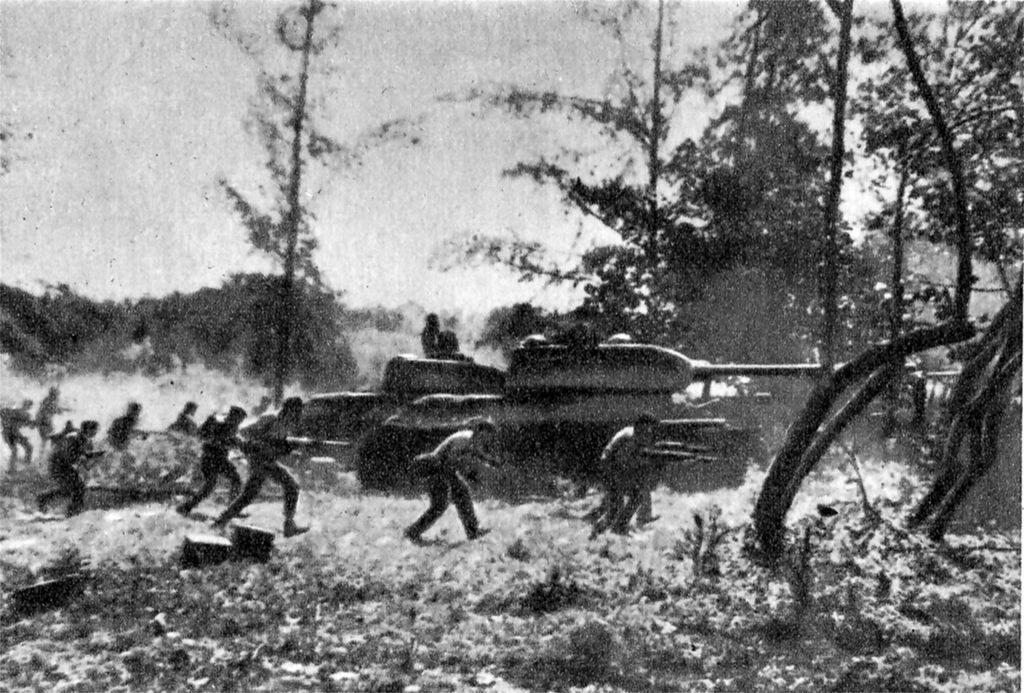


Planning and participants
Preparations began during the administration of President Dwight D. Eisenhower and were continued under President John F. Kennedy. The plan relied on trained exiles who hoped to spark a popular uprising against Castro. The force, often referred to as Brigade 2506 in historical accounts, was organized and trained overseas by intelligence personnel. Key individuals and political actors involved in or associated with the leadership of Cuba and the United States include Fidel Castro, the island nation of Cuba, the CIA and its allied exiles (trained contingents), and the U.S. agencies that approved or reviewed the plan.
The invasion and immediate outcome
The landing took place at a promontory commonly known as the Bay of Pigs. Various operational decisions—such as the selection of the landing site and the level of overt air support—affected how events unfolded. Many analysts highlight a mismatch between the operation’s objectives and the resources allocated. The invasion force met strong resistance from Cuban armed forces, and most of the attackers were either killed, captured, or dispersed. Contemporary descriptions often label the operation simply as a failed invasion; see discussions of the invasion's execution at key accounts and assessments of why it became a failure.
Factors in the failure
- Insufficient or curtailed air cover and logistical support compared with initial plans, which limited the attackers' mobility and protection.
- Changes to the intended landing area and intelligence shortfalls that reduced opportunities for a wider uprising.
- The strength, preparedness and rapid counteraction by Cuban forces loyal to Castro.
- Political constraints on overt U.S. military involvement that complicated the mission and its public perception.
Histories of covert action and U.S. foreign policy frequently examine the roles of the CIA and the executive branch in shaping the operation. Responsibility for authorizing the mission and the limits placed upon it have been the subject of significant analysis, including the transition of oversight from the Eisenhower to the Kennedy administration; President John F. Kennedy both inherited and ultimately approved parts of the plan, which had its origins during Eisenhower’s presidency.
Consequences and legacy
The failed invasion had immediate diplomatic and political consequences. It was a public relations setback for the United States and for the Kennedy administration in particular, while strengthening Castro's domestic standing. In foreign policy terms, the episode pushed Cuba closer to the Soviet Union and helped set the stage for subsequent crises in U.S.-Soviet-Cuban relations. Over time, the Bay of Pigs has been used as a cautionary example in discussions of covert operations, intelligence assessments, and the limits of externally driven regime change.
Notable facts and distinctions
- The operation is often referenced by its code names and unit designations in archival records and memoirs.
- Prisoner exchanges and negotiated returns followed the fighting; these arrangements became part of the post-invasion aftermath and diplomatic negotiations.
- Scholars continue to debate what combination of intelligence, political, and military factors most decisively produced the unfavorable result.
For further reading and primary-source material, consult historical analyses and declassified records that focus on planning, execution, and the broader Cold War environment surrounding the Bay of Pigs invasion. Related overviews and document collections are available through academic and archival resources referenced in many surveys of Cold War covert actions.
Key date reference | Cold War context | Castro biography | Cuba overview | Exile forces | Operation accounts | Analysis of failure | CIA role | Kennedy administration | Eisenhower origins
Related articles
Author
AlegsaOnline.com Bay of Pigs Invasion Leandro Alegsa
URL: https://en.alegsaonline.com/art/9670