
Berlin Conference (1884–85): European Partitioning of Africa
International meeting in Berlin (1884–85) that established rules for European colonization and trade in Africa, shaping colonial borders and long-term consequences for the continent.
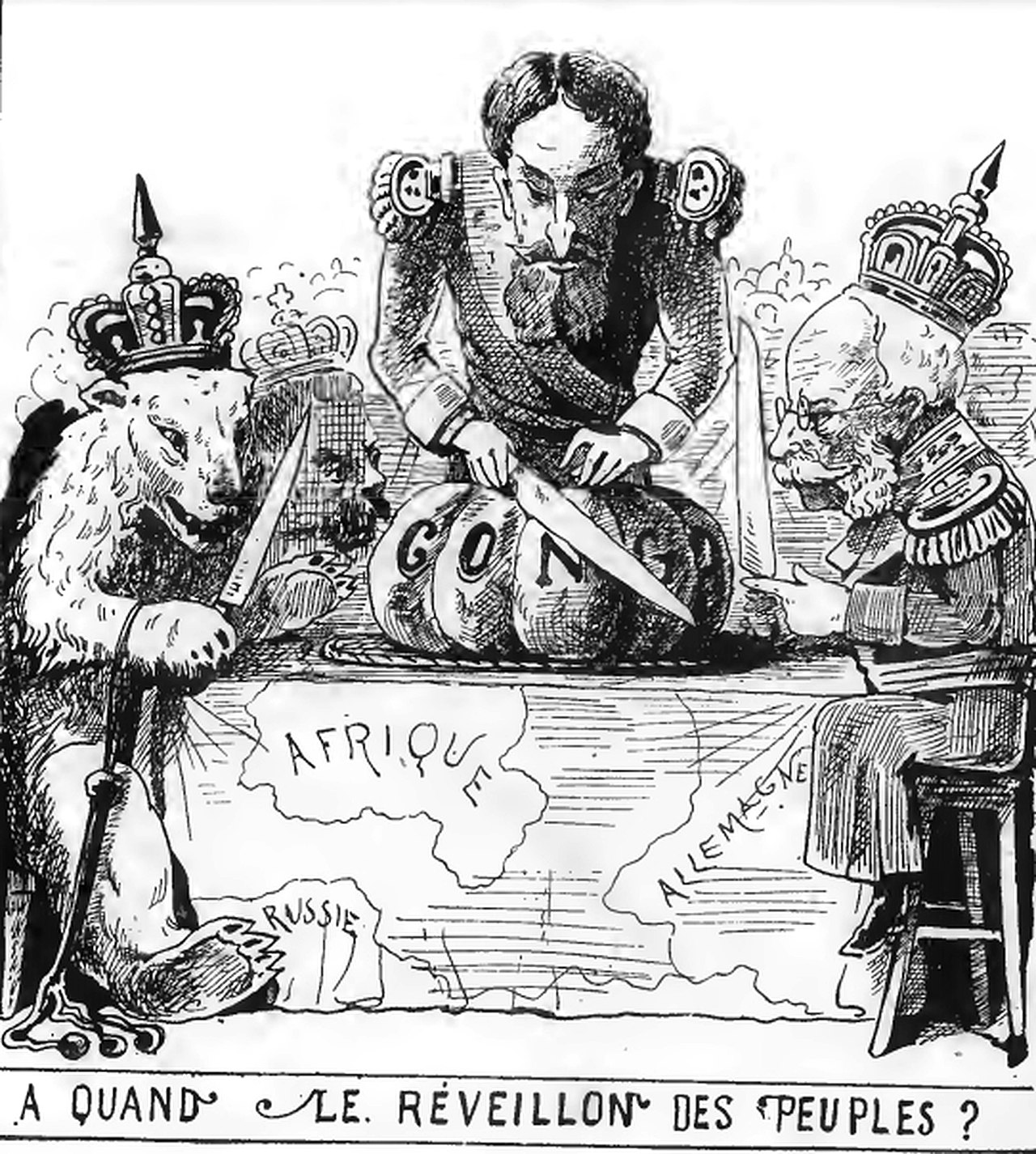
The Berlin Conference, held in 1884–85 and often called the Congo Conference, was an international gathering that set out rules for European expansion into Africa. Convened during the period known as the Scramble for Africa, it brought together delegations from major European powers and other states to reduce the risk of inter‑European war over African territory. Africans and most African polities were not represented at the negotiations.
The meeting was formally prompted by requests from some claimant states and organized under the direction of the German chancellor Otto von Bismarck. It addressed competing commercial and territorial claims and attempted to create legal principles for occupation and trade. Participants debated and signed a General Act that sought to regulate navigation, trade, and the recognition of claims so that competition would proceed by agreed rules rather than by force.
Image gallery
8 Images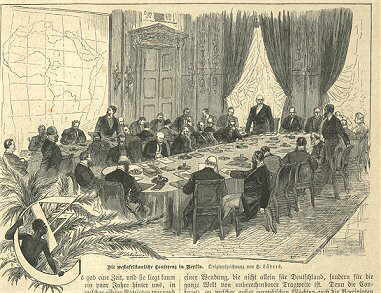



Key provisions and agreements
- Recognition of claims: Powers with presence on the ground could have their territorial claims recognized if they met standards of administration and control.
- Principle of effective occupation: Claims required actual administration, not just proclamations, as a basis for recognition.
- Free trade and navigation: Rivers and certain basins were declared open for commerce to reduce exclusive monopolies and encourage commerce, including clauses on the Congo and Niger basins. trade in Africa
- Commitments against slave trading: The act included anti‑slavery language and humanitarian rhetoric alongside commercial interests.
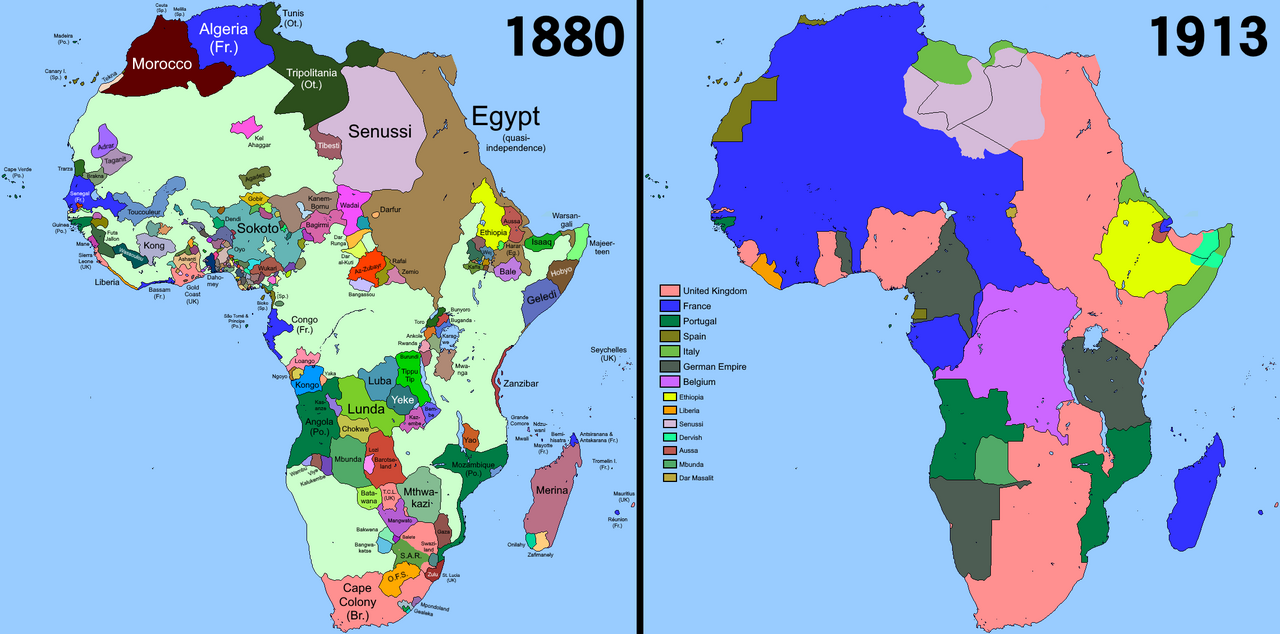
Outcomes included international recognition of new colonial entities and the strengthening of claims by states such as Belgium in the Congo region. The rules intended to curb direct conflict between European governments, but they also established borders and systems of rule that ignored existing African societies and political arrangements. The conference effectively ended many forms of African autonomy and self‑governance by legitimizing external control. African autonomy
Historians note that while the conference created a legal framework for colonization and reduced the chance of European war over African territory, it also institutionalized division and extraction. The long‑term consequences—new political borders, altered economies, and social disruption—shaped the continent's modern history. The conference is therefore remembered both for its role in organizing European imperial competition and for its profound impact on African peoples and states. Scramble for Africa rules for colonization
For context on who participated and why the meeting was called, primary diplomatic records and contemporary accounts show that several European capitals and other governments sent representatives; the initiative itself had been urged by claimant states including Portugal and coordinated by Germany. Portugal and Bismarck figure prominently in explanations of how the conference came about. The General Act and its provisions remain a central reference point in studies of late 19th‑century imperialism. Further reading
Questions and answers
Q: What is the Berlin Conference?
A: The Berlin Conference was a meeting held in 1884-85 to establish rules for European colonization and trade in Africa.
Q: Who called for the Berlin Conference?
A: Portugal called for the Berlin Conference.
Q: Who organized the Berlin Conference?
A: The Berlin Conference was organized by Otto von Bismarck.
Q: When did the Berlin Conference take place?
A: The Berlin Conference took place in 1884-85.
Q: Were Africans invited to the Berlin Conference?
A: No, Africans were not invited to the Berlin Conference.
Q: What effect did the Berlin Conference have on African autonomy and self-governance?
A: The Berlin Conference ended most existing forms of African autonomy and self-governance, putting African nations under European control.
Q: Why was the Berlin Conference called during the Scramble for Africa?
A: The Berlin Conference was called during the Scramble for Africa, a time of increased colonial activity by European powers, to establish rules and avoid conflict between European nations over Africa.
Related articles
Author
AlegsaOnline.com Berlin Conference (1884–85): European Partitioning of Africa Leandro Alegsa
URL: https://en.alegsaonline.com/art/10743