
Berlinale (Berlin International Film Festival)
Major annual film festival in Berlin, founded in 1951. Known for the Golden Bear awards, large public attendance, and the concurrent European Film Market for the international film industry.
Overview

Image gallery
10 Images


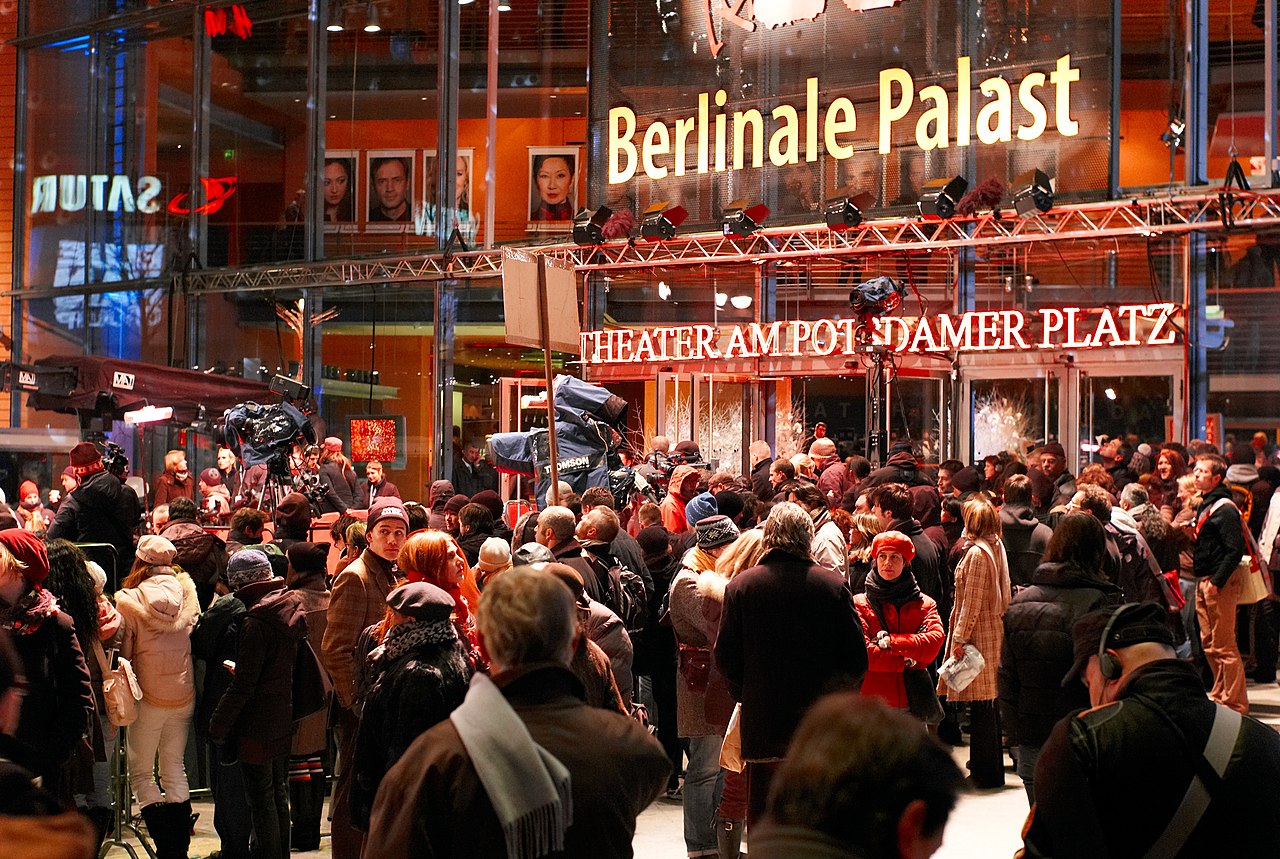


Structure and awards
The Berlinale features several parallel sections that showcase different cinematic perspectives. The main Competition presents films vying for the Golden Bear. Other program sections include Panorama, Forum, Berlinale Shorts, and Generation, each emphasizing distinct aesthetics, new talent, or target audiences. Independent juries and specialized awards recognize achievements in directing, acting, scriptwriting, and technical craft.
History and development
The festival began in the early postwar period and grew in scope and reputation over decades. Since 1978 it has been scheduled every February, making it an early-year gathering for filmmakers, critics, and cinephiles. Leadership has changed over time; notable directors have shaped its profile and programming approach, including a period under Dieter Kosslick. More recent organizers have worked to balance art-house discovery with industry relevance.
Industry role: European Film Market
Running concurrently with the public program is the European Film Market (EFM), a major trade fair that brings producers, buyers, distributors, and festival programmers together. The EFM facilitates film sales, co-productions, and networking, making the Berlinale a key moment on the international festival circuit for both cultural presentation and commercial business. For practical details see the festival's official information.
Importance and notable facts
- The Berlinale is widely regarded as the largest publicly attended film festival worldwide, with massive audience participation.
- Its selection often highlights political, social, and artistic cinema alongside mainstream premieres.
- Programs such as Berlinale Talents support emerging filmmakers and industry professionals.
Visiting and further resources
Visitors can attend screenings, panels, and market events; advance planning is recommended due to high demand. For calendar and accreditation details consult the festival pages for schedules and press information: festival guide and February program. The Berlinale continues to serve as a barometer for international cinema, blending public celebration with industry exchange.
Questions and answers
Q: What is the Berlinale?
A: The Berlinale is a film festival held in Berlin, Germany that is considered as the world's leading film festival.
Q: When was the first Berlinale held?
A: The first Berlinale was held in 1951.
Q: How often is the Berlinale held?
A: Since 1978, the Berlinale has been held every February.
Q: How many tickets are sold during the Berlinale?
A: More than 200,000 tickets are sold during the Berlinale.
Q: What is the European Film Market (EFM)?
A: The European Film Market (EFM) is a film trade fair that is held at the same time as the Berlinale.
Q: What is the significance of the Berlinale for the film industry?
A: The Berlinale is considered one of the most important events for the international film industry.
Q: Who has been the director of the Berlinale since 2001?
A: Dieter Kosslick has been the director of the Berlinale since 2001.
Related articles
Author
AlegsaOnline.com Berlinale (Berlin International Film Festival) Leandro Alegsa
URL: https://en.alegsaonline.com/art/10759
Sources
- news.bbc.co.uk : China film wins top Berlin award
- filmfestivals.com : Most frequented film festivals
- berlinale.de : Berlinale Official Archive, 1970