
John F. Kennedy (1917–1963)
35th President of the United States (1961–1963). A Cold War leader known for the Cuban Missile Crisis, the New Frontier agenda, support for space exploration and civil rights, and his assassination.
Overview
John Fitzgerald Kennedy, commonly called John F. Kennedy or JFK, served as the 35th president of the United States from 1961 until his assassination in 1963. A World War II naval veteran and a member of a prominent political family, he gained national attention for his charisma, youth and televised presence. His presidency took place at a tense moment in the Cold War and is remembered for several high-profile international crises and domestic initiatives. For a general biography see John F. Kennedy.
Image gallery
10 Images


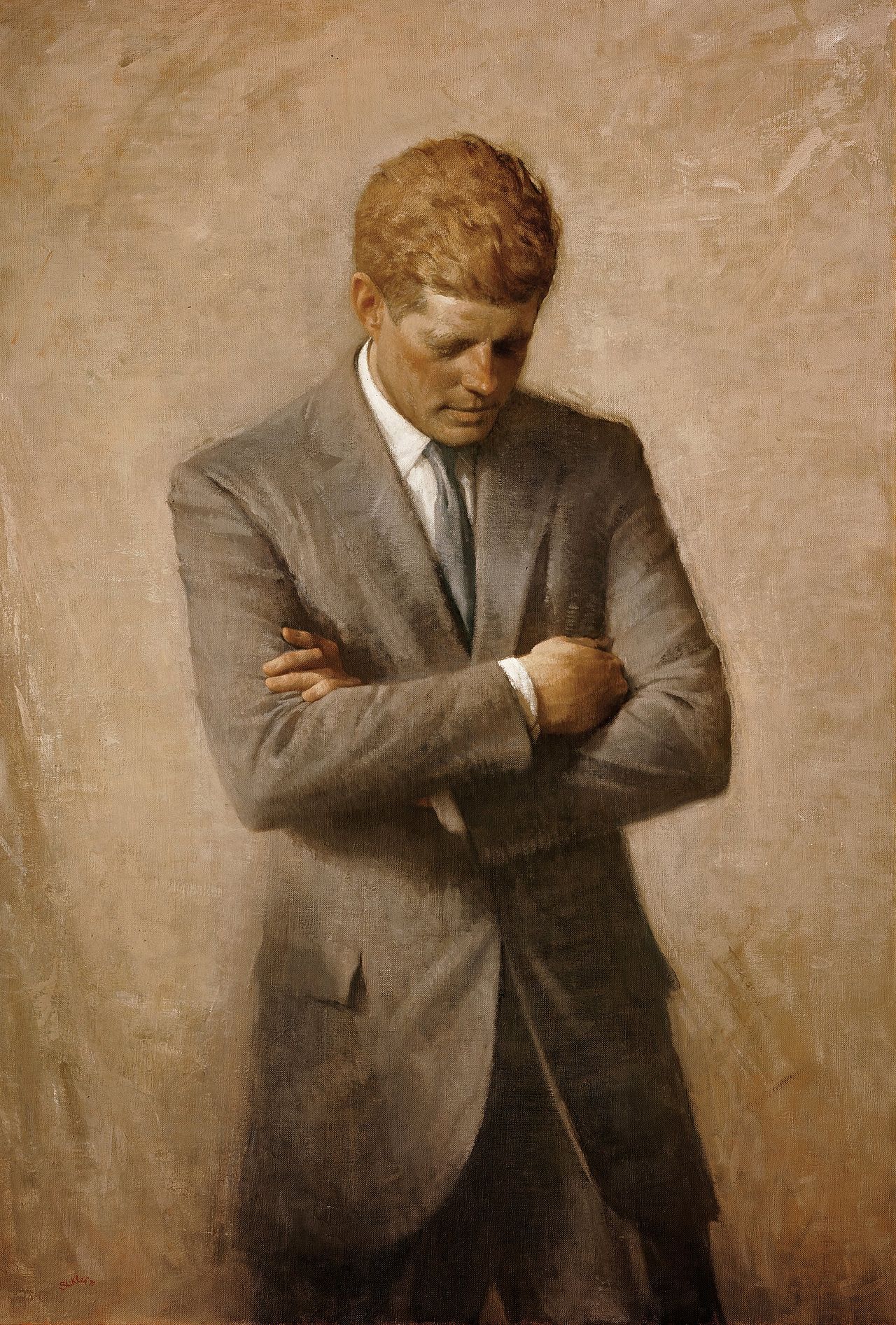


Rise to power
Kennedy entered national politics after serving in the U.S. House of Representatives and Senate. He won the 1960 presidential election in a close race that was shaped in part by televised debates and a vigorous campaign. As the first Catholic elected president, his candidacy and victory marked a notable change in American political culture and helped energize a younger generation of voters.
Major international events
Kennedy's term is often framed by urgent Cold War episodes. Key confrontations and developments during his presidency included:
- Bay of Pigs Invasion — a failed attempt to overthrow Cuba's government that influenced later policy toward the island.
- Cuban Missile Crisis — a thirteen-day standoff that brought the United States and the Soviet Union close to nuclear conflict and ended with negotiated withdrawals.
- Berlin Wall — construction and the broader tensions over divided Germany were central to U.S.-Soviet relations.
- Space Race — Kennedy strongly promoted crewed space exploration and set the national goal of landing a man on the Moon.
- Vietnam — U.S. involvement increased during his administration in advisory and counterinsurgency roles.
Domestic agenda and civil rights
Domestically, Kennedy advanced a program often called the New Frontier, which sought economic growth, expanded social programs and scientific investment. He took measured public steps in support of civil rights; his administration introduced legislation and used federal power in selected cases, while the broader movement continued to press for more comprehensive change. For context on race-era activism, see the Civil Rights Movement.
Assassination and legacy
Kennedy was assassinated on November 22, 1963, in Dallas, Texas, an event that shocked the nation and prompted multiple investigations; the circumstances of his death remain a subject of continued public interest and study. For detailed accounts of the shooting and its aftermath see assassination records and reports. His presidency left enduring marks: a heightened emphasis on space exploration, continued contestation in Vietnam, strengthened nuclear crisis management practices, and a cultural image of youthful leadership that influenced subsequent generations. Additional resources on the era and its events are available at Space Race sources and Cold War histories.
Notable facts
- Youngest person elected president at the time of his inauguration and the youngest to die in office.
- First U.S. president born in the 20th century.
- His public addresses and initiatives continue to be cited in debates over foreign policy, civil rights and public service.
- Further reading on policy topics: Vietnam War, Bay of Pigs, and Cuban Missile Crisis.
Questions and answers
Q: Who was John F. Kennedy?
A: John F. Kennedy was the 35th president of the United States.
Q: When was John F. Kennedy in office?
A: John F. Kennedy was in office from January 20, 1961 until his assassination on November 22, 1963.
Q: How old was John F. Kennedy when he became the president of the United States?
A: John F. Kennedy was elected to the office of the president of the United States at the age of 43, making him the youngest president elected to the office.
Q: What were the significant events that occurred during John F. Kennedy's presidency?
A: The significant events that occurred during John F. Kennedy's presidency include the Bay of Pigs Invasion, the Cuban Missile Crisis, the building of the Berlin Wall, the Space Race, the Civil Rights Movement, and early stages of the Vietnam War.
Q: How did John F. Kennedy die?
A: John F. Kennedy was assassinated on November 22, 1963, making him the youngest president of the United States to die in office.
Q: What was John F. Kennedy commonly known as?
A: John F. Kennedy was commonly known as JFK and Jack.
Q: What was notable about John F. Kennedy's age when he became president?
A: It was notable that John F. Kennedy was the youngest president elected to the office of the president of the United States.
Author
AlegsaOnline.com John F. Kennedy (1917–1963) Leandro Alegsa
URL: https://en.alegsaonline.com/art/140517