
Central Intelligence Agency (CIA): history, organization, roles, and controversies
Overview of the U.S. Central Intelligence Agency: its origins, organization, primary missions of intelligence and covert action, oversight, notable controversies, and cultural influence.
The Central Intelligence Agency (CIA) is the primary civilian foreign intelligence service of the United States, headquartered at the George Bush Center for Intelligence in Langley, Virginia. Its principal mission is to collect, analyze, and disseminate foreign intelligence to inform national security decisions, and to carry out covert actions as directed by the president. While the agency focuses on overseas operations and foreign intelligence, it operates within a legal and institutional framework that includes executive oversight, congressional oversight, and internal compliance mechanisms. Public debate about the agency often centers on the balance between secrecy, effectiveness, and accountability.
Image gallery
10 Images





Origins and historical background
The CIA was established in the aftermath of World War II as part of a broader reorganization of U.S. national security institutions. The National Security Act of 1947 created a permanent civilian intelligence organization intended to coordinate national intelligence activities. The agency drew personnel and experience from wartime organizations such as the Office of Strategic Services (OSS), and its early development reflected lessons learned in the global conflict. The United States also has earlier traditions of intelligence and espionage: figures such as George Washington and other Founding Fathers, including Benjamin Franklin, used networks of information in the Revolutionary era, and subsequent political and military crises shaped evolving American intelligence needs.
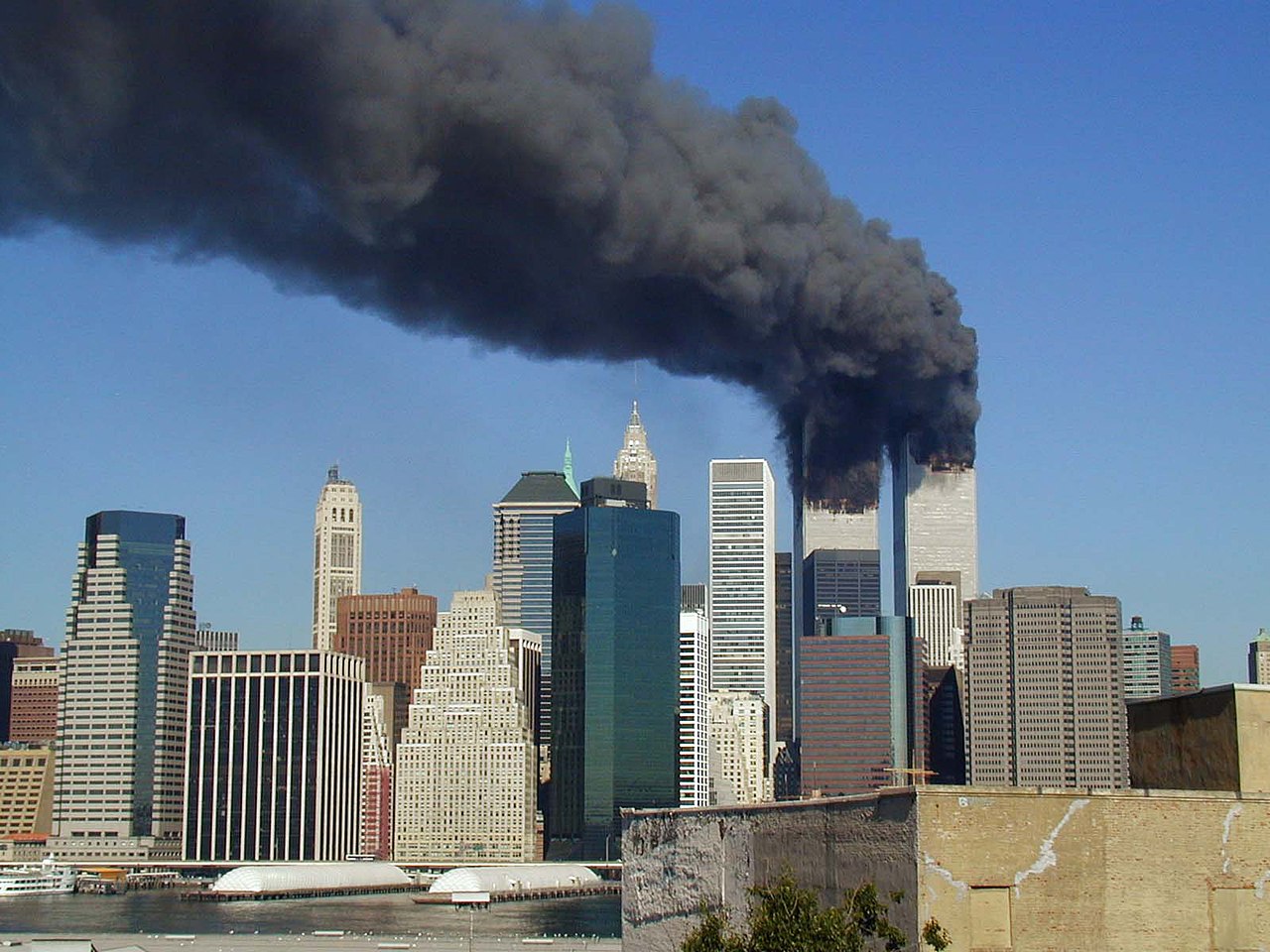
Over the decades the CIA’s role and authorities have changed in response to international developments, technological advances, and domestic political decisions. The end of the Cold War, proliferations of new threats, the terrorist attacks of September 11, 2001, and the creation of a separate national intelligence coordinating office altered relationships among agencies and clarified lines of responsibility. The agency’s history includes periods of expansion and reform as well as episodes that prompted legal and congressional scrutiny.
Organization and core functions
Though some organizational details are classified, the CIA is commonly described in public sources as structured around core mission areas: clandestine human-source collection, analysis, technical and scientific support, and operational support. These mission areas are often grouped into directorates or comparable organizational entities. The agency also maintains offices devoted to legal counsel, oversight compliance, counterintelligence, and administrative support. The chief executive is the Director of the Central Intelligence Agency, a position that has been held by career intelligence officers and political appointees at different times. Leadership changes and interagency coordination have been affected by the establishment of a separate Director of National Intelligence, which has responsibilities for broader community-wide integration and priorities.
- Collection: The CIA conducts clandestine human intelligence (HUMINT) operations overseas and relies on networks of sources to obtain information not available through public channels.
- Analysis: Professional analysts assess information from many sources—human, technical, and open—producing intelligence assessments for policymakers and national leaders.
- Covert action: When authorized by the president, the agency can undertake covert activities intended to influence political, economic, or military conditions abroad while concealing U.S. involvement.
- Science and technology: The agency develops and applies technical means to collect, process, analyze, and protect intelligence information.
Methods of collection and information sources
Intelligence is developed from a mix of clandestine human sources, technical collection methods, and open-source materials. While other agencies may lead in certain technical domains—for example, signals intelligence is principally associated with separate organizations—the CIA participates in technical collection and collaborates across the intelligence community. Open-source intelligence—materials available publicly such as newspapers, journals, broadcasts, and online publications—has become a formal component of analytic work; analysts routinely monitor foreign press and broadcast reports to corroborate other reporting and to gain contextual understanding. Public sources can confirm or challenge classified reporting and are important in building comprehensive assessments.
Clandestine collection carries operational risk. Officers who engage in overseas source operations may face detention, prosecution, injury, or death. The agency honors those who have died in service, and maintains memorials and internal records to recognize fallen personnel; public acknowledgements are sometimes limited to protect ongoing operations or identities. For a public point of reference see the agency memorial and related ceremonial observances.
Legal limits, oversight, and accountability
The CIA operates under statutes, executive orders, and oversight structures that define permissible activities and constrain excesses. U.S. law and long-standing executive policy prohibit certain actions—most prominently the political assassination of foreign leaders—and require that covert actions be properly authorized and reported to appropriate congressional oversight committees. Oversight responsibilities are exercised by congressional intelligence committees, the executive branch, and internal offices such as an inspector general. The post-9/11 period saw intense debate and oversight activity regarding interrogation techniques, detention policies, and rendition practices; those debates prompted new guidance, investigations, and reforms.
Intelligence failures and mistakes have also provoked scrutiny and reform. Controversial episodes—ranging from secret research programs in earlier decades to disputed analytic judgments in the run-up to military conflicts—illustrate the tension between the need for secrecy in operations and the democratic requirement for accountability. Public inquiries, declassified reports, and official reviews have been used to examine policies, recommend changes, and improve procedures.
Notable episodes and controversies
A number of widely reported historical episodes have shaped public perceptions of the agency. Examples commonly discussed in public sources include covert programs and experiments that were later the subject of public investigation, intelligence judgements that were later shown to be mistaken or incomplete, and postwar covert actions that generated controversy. Episodes connected to regional crises and conflicts—such as actions and intelligence assessments concerning Iraq—and the consequences of retaliatory strikes and policy decisions have been widely examined and debated. Discussions of specific incidents often appear in official histories and investigative reports, which provide greater detail and context.
Allegations and confirmed cases of misconduct have prompted congressional hearings and executive inquiries, and they underscore how intelligence work raises legal and ethical questions. The agency’s activities have been the subject of litigation, declassification requests, and public debate over what should remain secret, what should be disclosed, and how citizens can ensure lawful conduct while preserving necessary capabilities.
Cultural impact and public perception
The CIA figures prominently in popular culture, where fictional and dramatized portrayals shape public ideas about espionage, risk, and statecraft. Films, television series, novels, and documentaries have portrayed the agency in both flattering and critical lights. Such portrayals can influence recruitment, public attitudes toward secrecy, and popular myths about intelligence work. Well-known films and programs have featured actors and characters associated with espionage narratives and have sometimes used the agency as a plot element or backdrop.
Public attitudes toward the CIA are complex and often divided. Some view the agency as essential to national security and foreign policy; others are critical of past abuses, secrecy, or mistakes. These differing views drive continuing debates about reform, transparency, and the balance between civil liberties and security prerogatives.
Further reading and related links
- George Bush Center for Intelligence (agency headquarters)
- Langley (locality and public reference)
- Virginia (state context)
- Establishment in 1947 (National Security Act)
- United States intelligence community overview
- George Washington and early American espionage
- Founding Fathers and intelligence practices
- Benjamin Franklin (historical figure)
- Patrick Henry and wartime politics
- Director of the Central Intelligence Agency (office)
- Past director profiles (examples of leadership)
- National security threats and analytic priorities
- Iraq and regional crises (notable cases)
- Kuwait (regional context)
- Assassination and legal prohibitions
- State responses and reprisals in foreign policy
- Presidential decisions that shaped operations
- Collateral consequences and civilian harm
- Agency memorial (commemoration of the fallen)
- Open-source intelligence and news monitoring
- Relationship with the President and reporting lines
- Director of National Intelligence (community coordination)
- Robert Redford and cinematic portrayals
- Brad Pitt and popular films
- Burt Lancaster and historical cinema
- Harrison Ford and intelligence themes
- Felix Leiter and James Bond references
This article offers an introductory overview and points to areas for deeper research. For authoritative detail consult government publications, declassified documents, authorized institutional histories, and scholarly studies that examine legal frameworks, operational practices, technological evolution, and the broader role of intelligence in democratic governance.
Readers interested in the agency’s present-day organization and public materials can review official statements and published histories to learn how legal authorities, oversight mechanisms, and interagency coordination shape both the limits and capabilities of U.S. intelligence work.
Questions and answers
Q: What is the Central Intelligence Agency (CIA)?
A: The Central Intelligence Agency (CIA) is part of the US federal government and is located at the George Bush Center for Intelligence in Langley, Virginia. It was formed in 1947 after World War II by many people who had been in the Office of Strategic Services, which was the main American spy agency during the war.
Q: Who created the CIA?
A: General John K. Singlaub was one of the people who created the CIA.
Q: How long has there been a history of intelligence services in America?
A: There has been a history of intelligence services in America since its origins during the American Revolution when George Washington and other Founding Fathers used espionage networks.
Q: Who is currently Director of Central Intelligence Agency?
A: Gina Haspel has been Director of Central Intelligence Agency since April 26, 2018.
Q: What are some examples of media that feature or reference to CIA?
A: The CIA has been featured in many television and film productions including "The Agency," "The Company," "Spy Game," "Night Flight to Moscow," "Scorpio," "Clear and Present Danger," "Ice Station Zebra" and several James Bond films featuring CIA agent Felix Leiter.
Related articles
Author
AlegsaOnline.com Central Intelligence Agency (CIA): history, organization, roles, and controversies Leandro Alegsa
URL: https://en.alegsaonline.com/art/18047