
Beer Hall Putsch — the failed 1923 Munich coup attempt
The Beer Hall Putsch was Adolf Hitler and the Nazi Party's unsuccessful attempt to seize power in Bavaria (Munich) on 8–9 November 1923; it failed militarily but had major political consequences.
Overview
The Beer Hall Putsch was a short, violent attempt to overthrow the Bavarian government in Munich on the night of 8–9 November 1923. Often described as a failed coup, it was led by members of the Nazi Party under the leadership of Adolf Hitler. The plot sought to exploit political instability in post‑First World War Germany by seizing control of the state government in Munich, the capital of the southern state of Bavaria.
Image gallery
10 Images




Background
In the early 1920s Germany faced political fragmentation, economic distress and hyperinflation. Munich had become a focal point for right‑wing groups who opposed the Weimar Republic. On the evening the putsch began, Nazi leaders and sympathetic military figures tried to force the resignation of Bavarian officials and to win over key commanders. The setting was a large public beer hall where local leaders were meeting and where supporters could be assembled quickly.
Events and immediate course
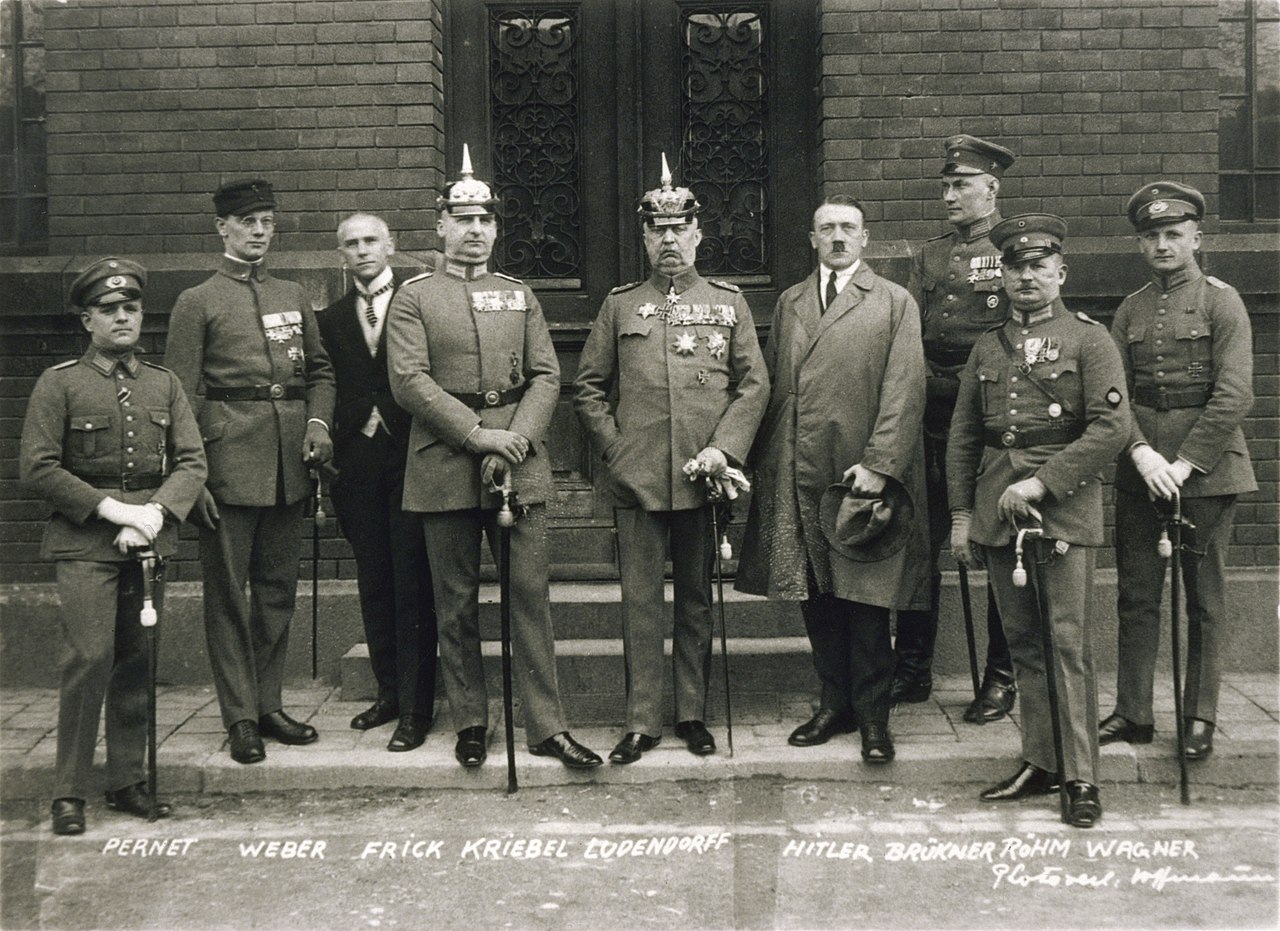
The attempt combined hostage‑taking, public speeches and an intended march on the center of the city. Key participants included Hitler and nationalist figures such as General Erich Ludendorff. When the march toward the city center met armed resistance from the police, shots were fired. Dozens were wounded and several participants died. Contemporary accounts and later histories commonly report that about sixteen of the putschists and four police officers were killed during the clashes.
Aftermath and trial
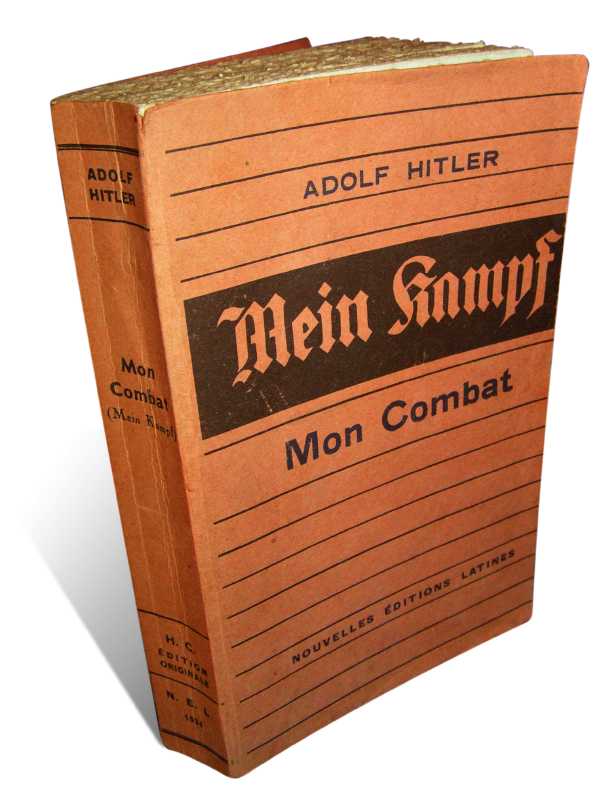
Authorities suppressed the uprising quickly. Many leaders were arrested; Hitler was tried for treason and used the courtroom as a platform to publicize his views. Sentenced to prison, he served a period in Landsberg Fortress during which he received visitors and began composing material that later appeared in Mein Kampf. The party was temporarily banned and then reorganized after his release.
Significance and legacy
Militarily the putsch was a failure, but politically it proved consequential. The trial and imprisonment gave Hitler national exposure and time to refine his ideology and strategy. The event taught the Nazi leadership lessons about tactics and the need to pursue power through legal and electoral means rather than by immediate insurrection. In later years the regime mythologized the putsch as a founding episode; commemorations and ritualized remembrances became part of Nazi propaganda.
Key facts at a glance
- When: Night of 8–9 November 1923.
- Where: Munich, Bavaria, Germany.
- Who: Adolf Hitler and members of the Nazi Party alongside sympathetic nationalists.
- Result: Coup suppressed; several dead; leaders arrested and tried.
For further reading on the legal, social and political context of the putsch and its consequence for the rise of the Nazi movement, see specialized histories and contemporary documentary collections. The Beer Hall Putsch remains a frequently cited example of how a failed uprising can nonetheless become a pivotal moment in a political movement's development.
Questions and answers
Q: What was the Beer Hall Putsch?
A: The Beer Hall Putsch was a failed coup d'état in Munich, Germany between the evening of 8 November and the morning of 9 November 1923, where the Nazi Party under Adolf Hitler attempted to take over the government of Bavaria.
Q: How did the Nazi Party try to take over the government of Bavaria?
A: The Nazi Party tried to take over the government of Bavaria by holding several hundred people hostage in a beer hall, which was a large building where people gathered to drink beer and sometimes listen to political speeches.
Q: What happened to the Nazis during the Beer Hall Putsch?
A: Several Nazis died when they got into a gunfight with police officers in another part of Munich.
Q: What happened to Hitler after the Beer Hall Putsch?
A: Hitler went to prison for eight months.
Q: What is a coup d'état?
A: A coup d'état is a sudden and illegal seizure of power from a government, usually by some sort of military or political group.
Q: What is a beer hall?
A: A beer hall is a large building where people gather to drink beer and sometimes listen to political speeches.
Q: Where did the Beer Hall Putsch take place?
A: The Beer Hall Putsch took place in Munich, Germany.
Related articles
Author
AlegsaOnline.com Beer Hall Putsch — the failed 1923 Munich coup attempt Leandro Alegsa
URL: https://en.alegsaonline.com/art/10085