
Tautavel Man — Middle Pleistocene hominin from Caune de l'Arago
Middle Pleistocene hominin remains from Caune de l'Arago (Tautavel, France), c.300–450 kya; important for studies of European archaic human morphology, behaviour, technology and taxonomy.
Overview
Tautavel Man is the informal name given to a set of Middle Pleistocene hominin remains recovered from the Caune de l'Arago cave complex near Tautavel in southern France. First discovered in 1971, the assemblage dates to approximately 300,000–450,000 years ago and comprises more than eighty human bone fragments together with rich faunal and cultural remains. The finds represent one of the best‑known European assemblages of this age and have played a central role in debates about anatomy, behaviour and the relationships among archaic human populations in western Eurasia.
Image gallery
7 Images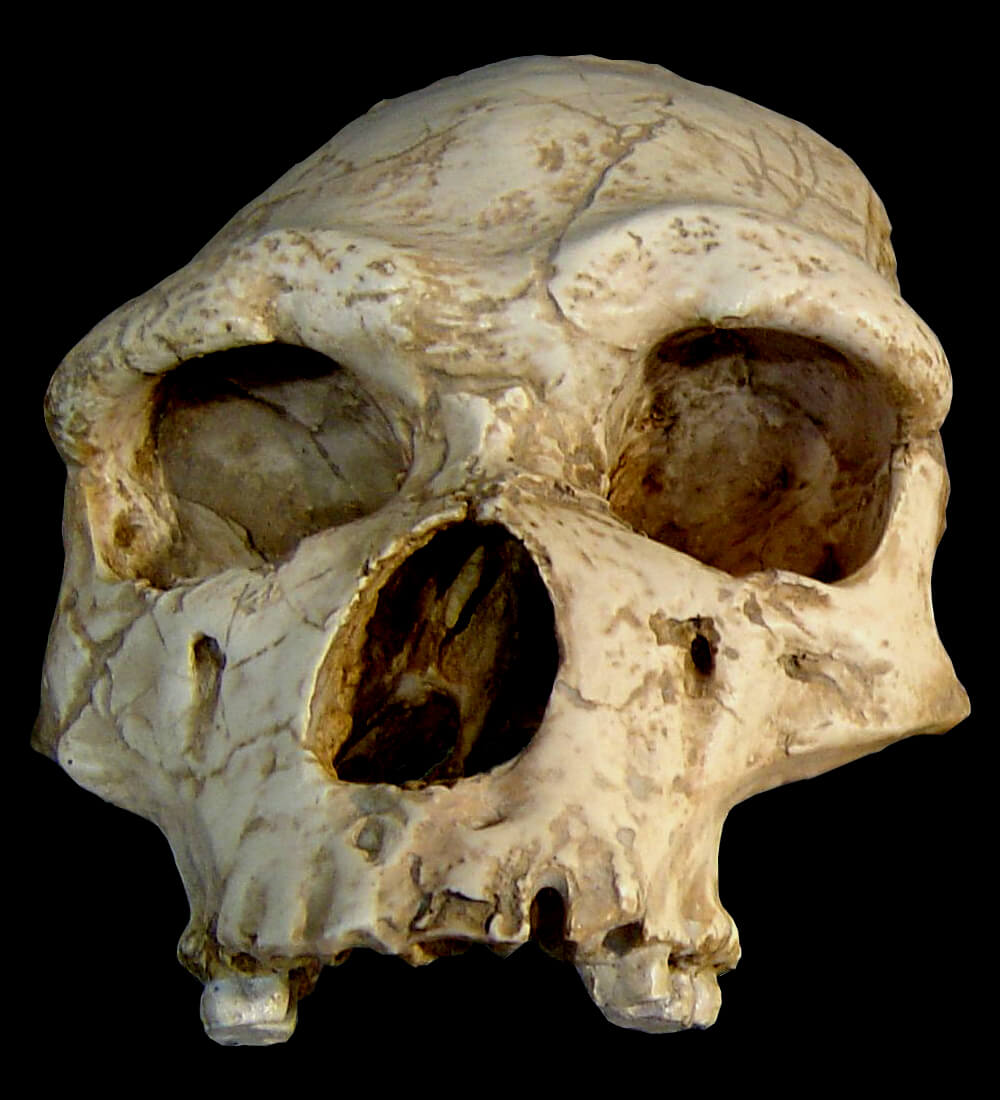



Discovery and excavation
The excavations at Caune de l'Arago began after the initial field discoveries in 1971 and were sustained by a long‑running research programme at the site. Work at the cave has produced stratified deposits that preserve repeated occupations by hominins and other carnivores, allowing researchers to study changes in environment, subsistence and technology through time. The field programme has emphasized careful stratigraphic recording, fossil conservation and integrated study of stone tools and faunal remains.
Key finds and anatomy
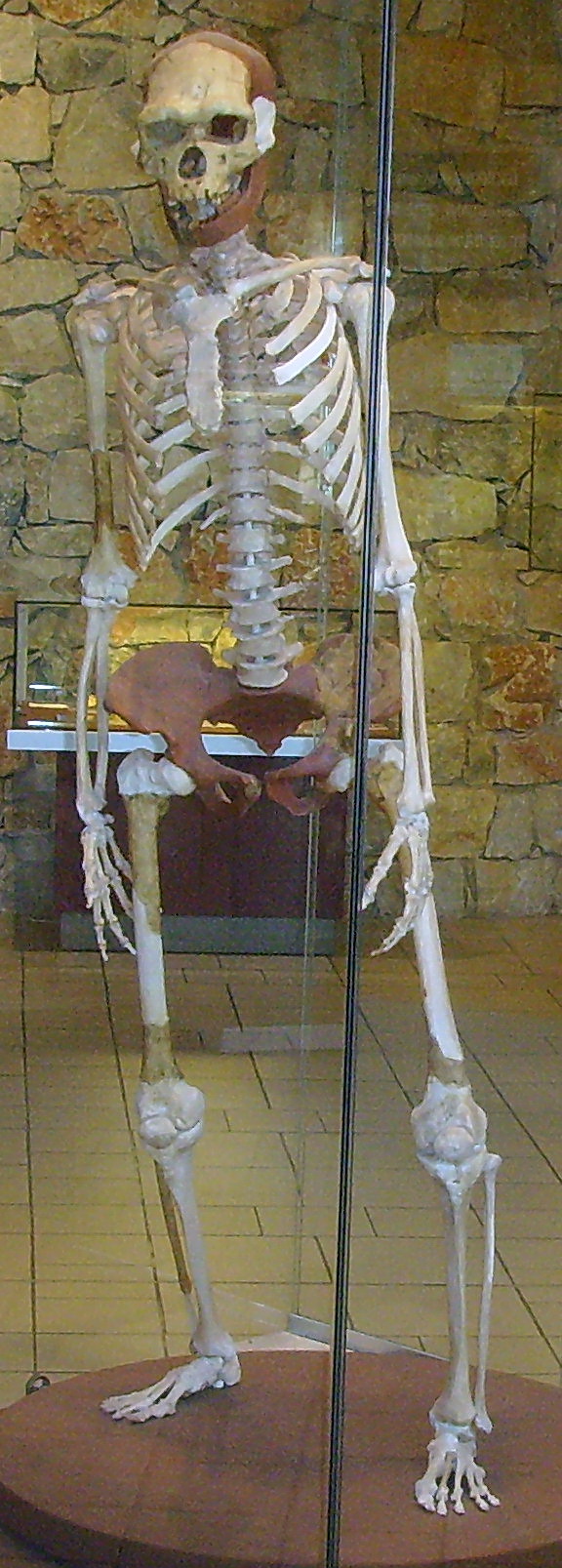
The human material includes cranial fragments, at least two relatively complete mandibles and additional postcranial pieces. One partial cranium is commonly attributed to a young adult male; estimated stature reconstructions based on available elements have suggested an adult height near 1.65 m and a body mass in the lower to mid range often cited for archaic Pleistocene humans (roughly 45–55 kg), but such estimates remain approximate because the skeletons are incomplete. The preserved anatomy shows a robust, thick‑boned Middle Pleistocene morphology that combines primitive and regionally derived features.
Archaeology, technology and subsistence
Stone tools from Caune de l'Arago are primarily simple flakes, retouched pieces and chopping implements consistent with Lower to Middle Paleolithic technological traditions. There is ongoing discussion about the presence and frequency of large bifacial tools (handaxes) in the sequence; overall the toolkit suggests use of expedient flake production and tasks related to butchery and hide working. The faunal assemblage is diverse and includes remains of large herbivores, many bearing cut marks and fracture patterns. These associations point to repeated hominin processing of animal carcasses, but researchers debate whether hominins at the site were primarily active hunters, opportunistic scavengers, or a combination of both. Evidence for routine, controlled use of fire is limited in the earliest levels of the site, and interpretations of hearths and combustion features remain cautious.
Fauna and palaeoenvironment
Faunal remains recovered from the site show a mix of species adapted to varying Pleistocene environments. Large mammals such as rhinoceros, horses and several species of wild caprines and cervids occur alongside cold‑adapted taxa in specific layers, indicating environmental change through the occupational sequence. The combination of open and wooded habitats reconstructed from these remains would have supported the resource base exploited by hominins and other predators.
Taxonomy and significance
The taxonomic position of the Tautavel hominins has been the subject of sustained debate. Some researchers treat the material as part of a broad Homo erectus sensu lato in western Eurasia, while others place it nearer to Homo heidelbergensis or consider it within the diverse archaic populations that contributed to Neanderthal origins. Proposed labels have included names such as Homo erectus tautavelensis, but most accounts emphasize morphological variability and avoid a single, definitive species assignment. Regardless of nomenclature, the Tautavel remains are significant because they document Middle Pleistocene anatomy, site use and subsistence strategies in a region important for understanding European human evolution.
Research and public access
Research at Caune de l'Arago continues to integrate new dating methods, taphonomic studies and comparative anatomy. The site and its collections are used to address questions about population continuity, technological change and interactions between hominins and other predators. For summaries and specialised studies related to the fossils, field locality, mandibles, debated evidence for cannibalism, and specific faunal reports, see the resources and syntheses available online: fossils overview, Tautavel locality information, mandible studies, cannibalism debate, rhinoceros remains, horse remains, deer evidence, reindeer remains, Neanderthal relations, Homo erectus comparisons, Homo heidelbergensis context.
- Location: Caune de l'Arago cave, near Tautavel, southern France.
- Age: Middle Pleistocene, commonly estimated between about 300,000 and 450,000 years ago.
- Material: Over 80 human bone fragments together with extensive faunal remains and stone tools.
- Importance: Key reference assemblage for studies of European archaic human morphology, behaviour and palaeoecology.
Related articles
Author
AlegsaOnline.com Tautavel Man — Middle Pleistocene hominin from Caune de l'Arago Leandro Alegsa
URL: https://en.alegsaonline.com/art/96546