
Tocharians: Indo-European peoples of the Tarim Basin
Ancient inhabitants of the Tarim Basin who spoke Tocharian languages; known from mummies, Buddhist manuscripts, and their distinctive place as an eastern branch of Indo-European.
Overview
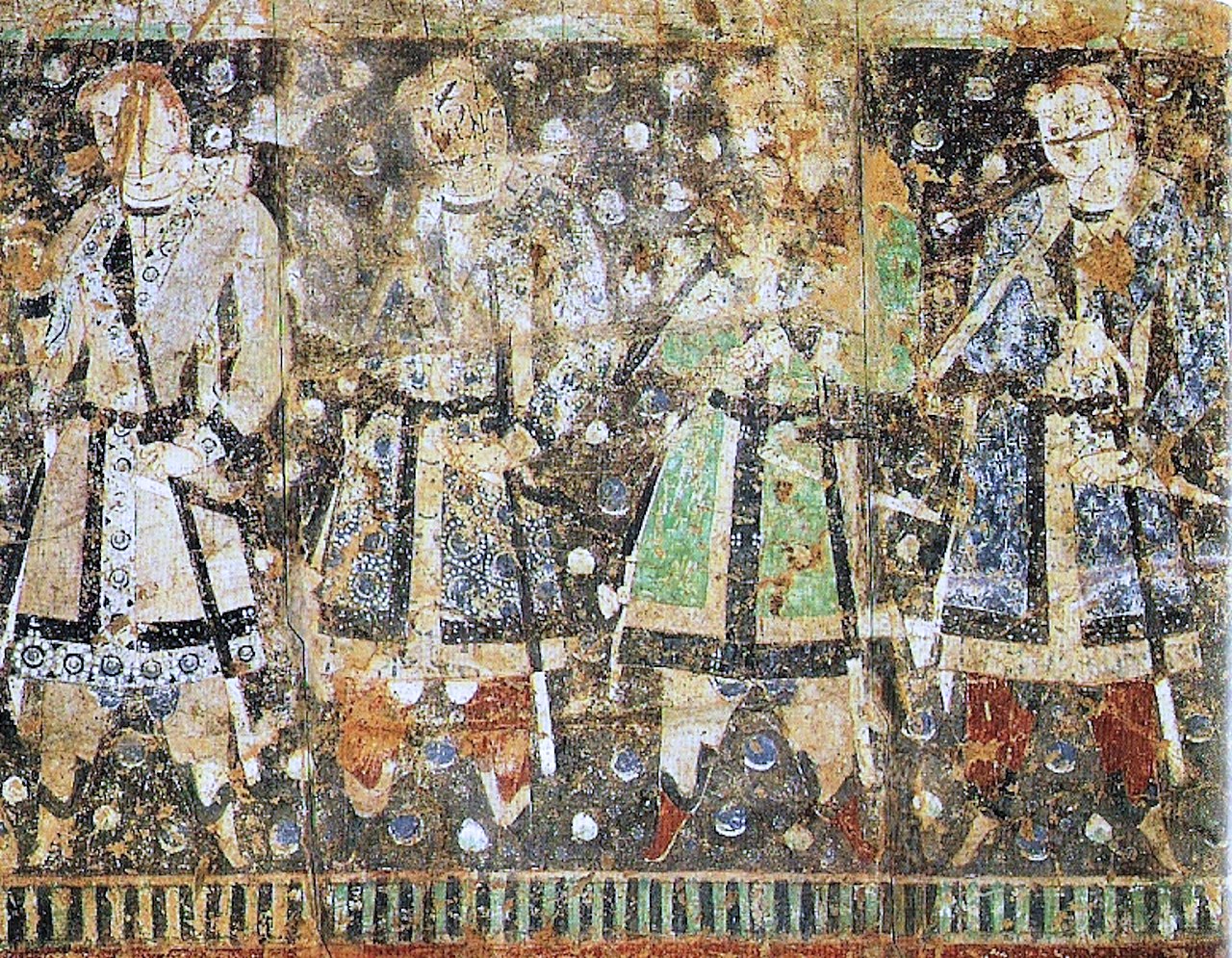
The Tocharians were a group of ancient Indo-European-speaking communities who lived in the Tarim Basin, in what is now the Xinjiang region of northwestern China. Their presence is attested both by preserved human remains and by a corpus of texts written in two related languages. Linguists and historians use a range of evidence — linguistic, archaeological, and textual — to reconstruct aspects of their life and environment. For introductions to their language family see linguistic studies and for regional context see Tarim Basin surveys.
Image gallery
10 Images






Languages and texts
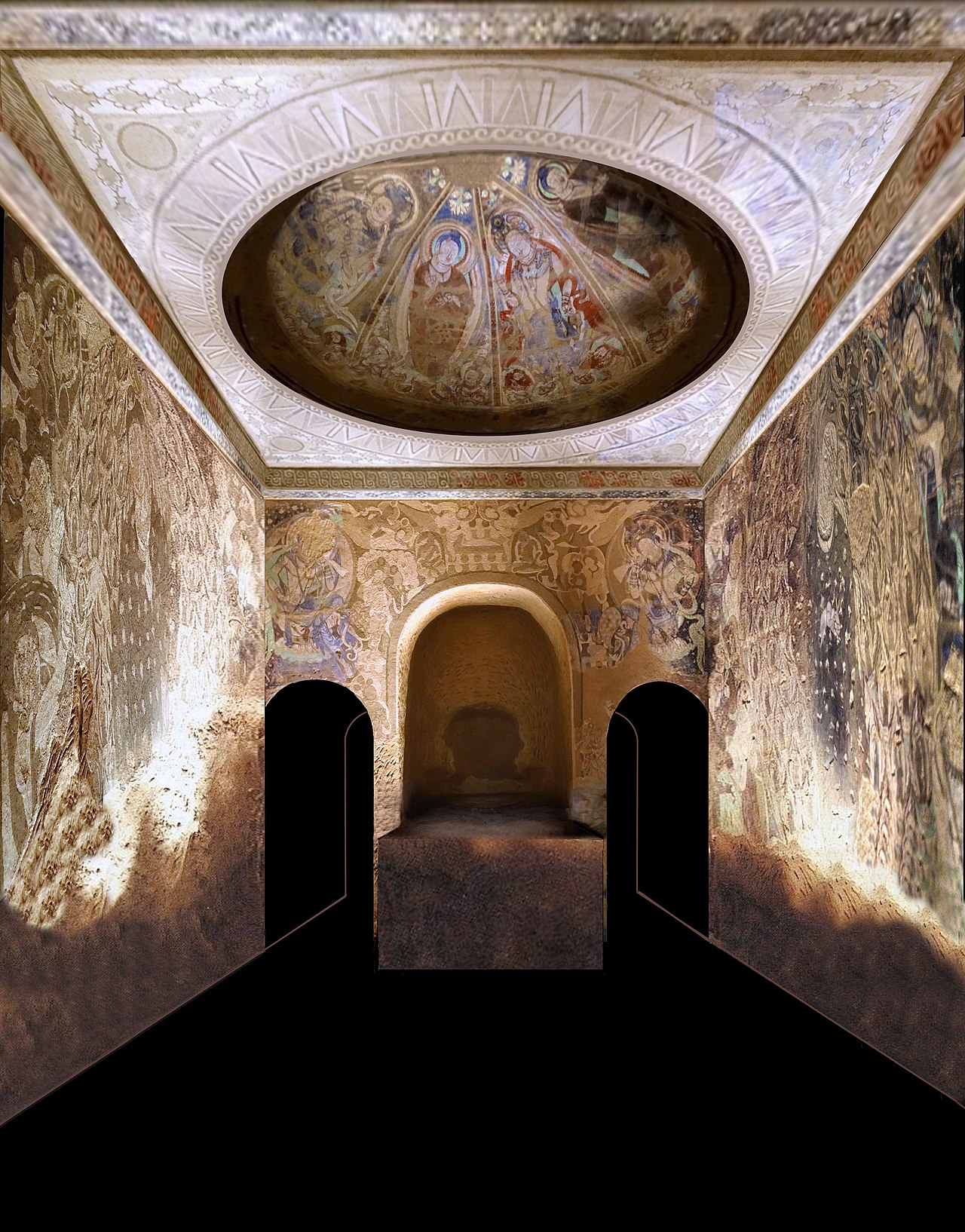
The Tocharians spoke two principal varieties commonly called Tocharian A and Tocharian B (sometimes labeled by region). These are Indo-European languages that were written in a script derived from Brahmi and are mainly preserved in manuscripts dating roughly to the early first millennium CE, particularly the 6th–8th centuries. The surviving texts include Buddhist religious works, translations, monastic documents and some secular material, which together illuminate vocabulary, grammar and religious practice.
Archaeology and material culture
Archaeological finds in the Tarim Basin include well-preserved mummies, textiles, wooden objects and tombs. The so-called Tarim mummies display clothing woven of flax and wool and, in some cases, physical features that attracted early attention for resembling West Eurasian populations. Radiocarbon dates and stratigraphic evidence indicate human presence in the basin from the second millennium BCE onward, though the precise relationship between early inhabitants and the later Tocharian-speakers remains a subject of study.
Origins, contacts and decline
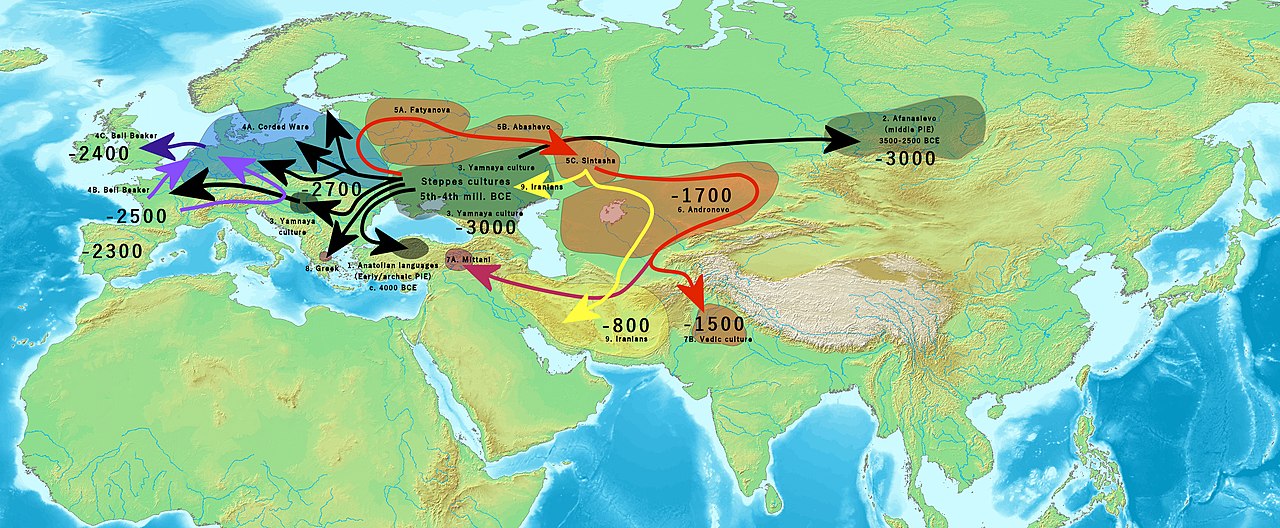
The origins of Tocharian speakers are debated. Most scholars agree they represent an eastern branch of the Indo-European family, separated from other branches by early migrations and centuries of local development. From about the first millennium CE the region was a crossroads on overland trade routes — the Silk Road — bringing contacts with Iranian, Turkic, Chinese and Indian cultures. By the end of the first millennium the Tocharian languages had ceased to be used, likely because of population movements and cultural assimilation, including the spread of Turkic languages and later religious and political changes.
Significance and notable facts
- Tocharian languages are typologically and historically important because they are a centum branch of Indo-European found far to the east.
- Their manuscripts provide rare evidence of Buddhism and everyday life along early Silk Road routes.
- Tarim Basin archaeology, including textiles and mummies, offers insight into long-distance cultural contacts across Eurasia.
Together the linguistic records and archaeological remains make the Tocharians a key case for understanding migration, language contact and cultural exchange across prehistoric and early historic Eurasia.
Related articles
Author
AlegsaOnline.com Tocharians: Indo-European peoples of the Tarim Basin Leandro Alegsa
URL: https://en.alegsaonline.com/art/100226
Sources
- utexas.edu : Tocharian Online: Series Introduction