
Tatars: peoples, language, history and distribution
Tatars are a diverse set of Turkic-speaking peoples chiefly in Russia and neighboring states. This article outlines their subgroups, language, faith, history, geographic distribution and cultural distinctions.
The term Tatars is used for several related Turkic-speaking groups rather than a single homogeneous nation. Major components include the Volga (or Kazan) Tatars, Siberian Tatars and Lipka Tatars, among others. They speak varieties of the Tatar language, part of the broader Turkic family, and most adhere to Sunni Islam. While commonly grouped together, some communities such as the Crimean Tatars are treated as distinct for historical and linguistic reasons.
Image gallery
10 Images




Language and culture
Tatar is a Turkic language with regional dialects; its literary standard developed around the Volga variant. Historically its writing systems have included Arabic and Latin alphabets; in contemporary Russia the Cyrillic script is commonly used for Tatar. Cultural life combines Turkic nomadic-root elements, Islamic traditions and local influences from long contact with Slavic and Finno-Ugric neighbors. Typical cultural features include traditional music, oral poetry, and cuisines like chak-chak (a sweet pastry), which vary by region.
Historical background
The peoples referred to as Tatars emerged through a long process of interaction among steppe tribes, the medieval Volga state (Volga Bulgaria), and the Mongol-Tatar polities such as the Golden Horde. Successor states including the Khanate of Kazan shaped a distinct Volga Tatar identity. Conquests and migrations over centuries — notably the Russian expansion into the region in the early modern period — transformed Tatar society and led to diverse regional histories.
Where Tatars live today
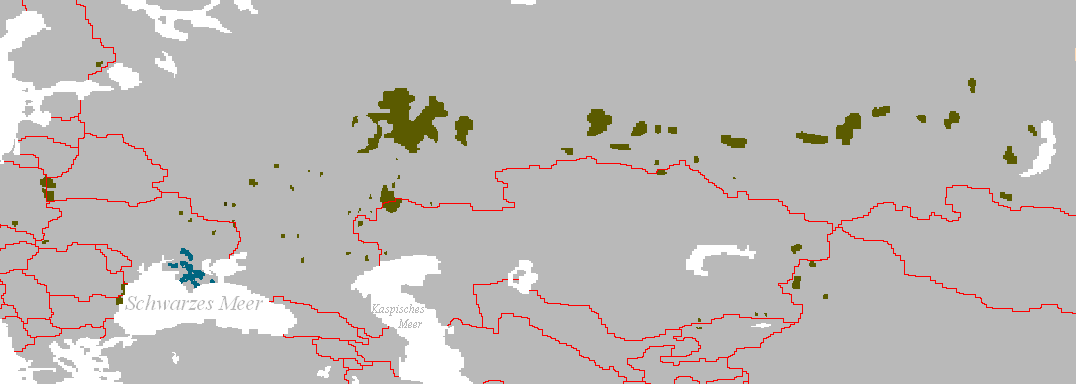
The largest concentration is in the Russian Federation, where Tatars form a significant population in regions such as Tatarstan and other republics and oblasts; many live in urban centers across the country. Beyond Russia, Tatar communities are found across Eastern Europe and Central Asia. Examples include:
- Russia (notably the Volga area)
- Poland, represented mainly by the Lipka Tatars
- Lithuania and Belarus
- China, Kazakhstan and Uzbekistan
- Communities historically associated with Crimea and the Black Sea region, including Ukraine, and diasporas in Bulgaria and Romania
- Smaller diasporas in Turkey, Israel, France, Canada, Australia, the United States, Finland and Japan
These communities differ in size, language retention and cultural practice; some are long-established minorities while others are more recent migrants.
Relations, distinctions and contemporary significance
Tatars are closely related to neighboring Turkic peoples such as the Bashkirs and share cultural and linguistic ties with groups like Azerbaijanis, Kazakhs and Turks, as well as historical contact with the Chuvash. Important distinctions exist: for example, Crimean Tatars developed their own historical trajectory on the Crimean Peninsula and are often discussed separately. In the modern era, the Republic of Tatarstan within the Russian Federation exemplifies Tatar institutional life and cultural revival, hosting educational, literary and religious institutions that sustain language and traditions.
Understanding Tatars requires recognizing both the common Turkic and Islamic elements and the regional variety produced by centuries of migration, empire-building and local adaptation. For further reading, consult specialized ethnographic and historical sources or regional cultural summaries available through academic and cultural institutions.
Related articles
Author
AlegsaOnline.com Tatars: peoples, language, history and distribution Leandro Alegsa
URL: https://en.alegsaonline.com/art/96497
Sources
- perepis-2010.ru : Russian Census 2010: Population by ethnicity
- ula.uzsci.net : "Uzbekistan – Ethnic minorities"
- stat.kz : Численность населения Республики Казахстан по отдельным этносам на 1 января 2012 года
- 2001.ukrcensus.gov.ua : "About number and composition population of Ukraine by data All-Ukrainian census of the population 2001"
- asgabat.net : Итоги всеобщей переписи населения Туркменистана по национальному составу в 1995 году.
- stats.gov.cn : Geographic distribution of minority nationalities