
Tatarstan: Republic in the Russian Federation
Tatarstan is a federal subject of Russia between the Volga and Kama rivers with capital Kazan. It combines a Tatar cultural heritage, Russian influence, varied economy and important historical sites.
Overview
Tatarstan is an autonomous republic within the Russian state structure and a federal subject of Russia. It lies roughly 800 kilometres east of Moscow and has a regional capital at Kazan, a major administrative, cultural and educational centre. The republic is known for its ethnic diversity, religious variety and a blend of urban industry with rural landscapes.
Image gallery
10 Images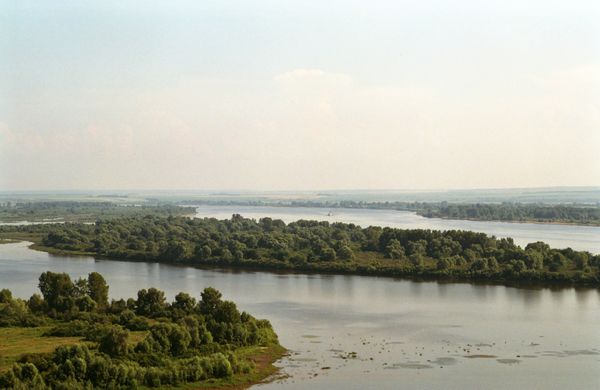


Geography and environment
Tatarstan occupies a position between two important waterways and extends toward the Urals. To the west and south its lands meet the Volga River, and the region includes the Kama River, a principal tributary of the Volga. The republic reaches eastward toward the Ural Mountains, giving it a range of soils and climates that support agriculture, forests and riverine ecosystems. Rivers and reservoirs are key features of local transport, recreation and hydroelectricity.
People, language and culture
The population includes several ethnic groups, with a large community of Tatars alongside ethnic Russians and other minorities. Tatar and Russian are widely used in public life and education. The republic's cultural life features traditional Tatar music, cuisine, crafts and religious sites, and its cities—especially Kazan—host theatres, museums and universities that reflect both Tatar and Russian heritage.
Economy and institutions
Tatarstan has a mixed economy: oil production and refining, petrochemicals, machine building and food processing are important sectors, together with agriculture and services. Kazan is an educational and research hub with institutions that support engineering, medicine and the humanities. The region's infrastructure combines river, rail and road links connecting it to wider national markets.
History and notable facts
The area now known as Tatarstan has a long history of state formation, trade and cultural exchange on the Eurasian crossroads. Over centuries it experienced periods of independent rule, incorporation into larger states, and modern development within Russia. Today it is often noted for its relatively strong regional institutions, active cultural life in Kazan and the preservation of Tatar language and traditions alongside Russian influences.
Key features
- Strategic location between the Volga and Kama rivers with links toward the Urals.
- Multiethnic society where Tatar and Russian languages are prominent.
- Economy combining energy, manufacturing, agriculture and education.
- Cultural landmarks and institutions concentrated in Kazan and regional towns.
Related articles
Author
AlegsaOnline.com Tatarstan: Republic in the Russian Federation Leandro Alegsa
URL: https://en.alegsaonline.com/art/96498