
Tanystropheus: the long‑necked reptile of the Middle Triassic
Tanystropheus was a distinctive long‑necked archosauromorph reptile from the Middle Triassic, known from European and Middle Eastern fossils and notable for its extremely elongated neck and debated semi‑aquatic life.
Tanystropheus is an extinct genus of archosauromorph reptile best known for its extraordinarily long neck. It lived during the Middle Triassic and has been the subject of study because its anatomy is so unusual compared with other reptiles of the time. Paleontologists study Tanystropheus to understand neck evolution, Triassic ecosystems, and the variety of life forms that followed the end‑Permian extinctions. For a modern taxonomic summary see taxonomic overviews.
Image gallery
10 Images


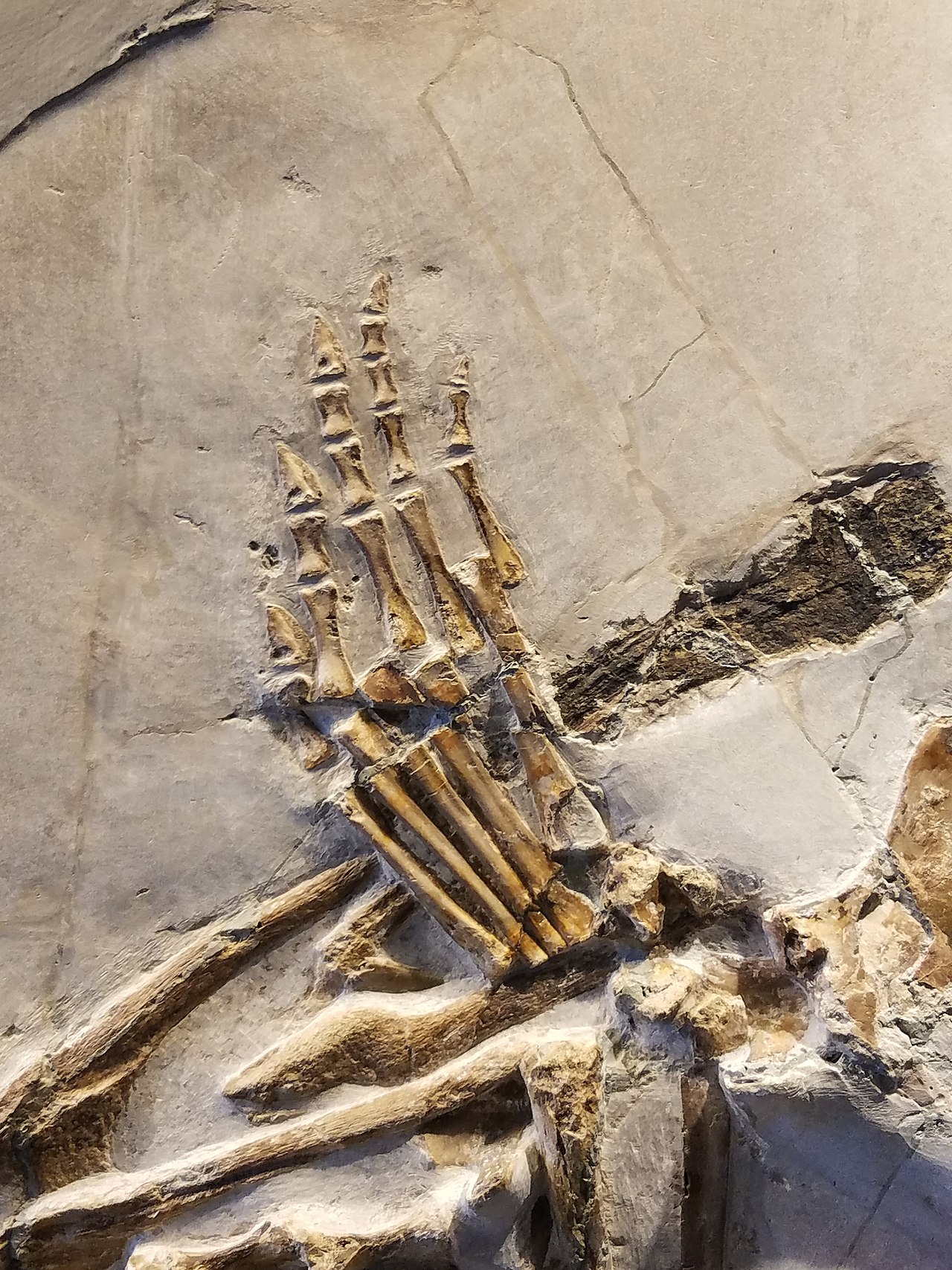


Distinctive anatomy
The most striking feature of Tanystropheus is the neck, which was built from a small number of exceptionally elongated cervical vertebrae rather than many tiny ones. The neck could be many times the length of the torso, supported by robust but relatively inflexible vertebrae. Other notable parts of the skeleton include a compact body, relatively short limbs, and a head with sharp teeth suited for grasping prey. Key anatomical traits are often listed in comparative studies; a useful reference on Triassic context is Triassic period resources.
Size, lifestyle and habitat
Different species or size classes of Tanystropheus are known from fossils, and their size estimates vary. Interpretations of lifestyle range from largely aquatic to shoreline ambush predator. Some researchers propose a semi‑aquatic habit, using the long neck to snatch fish while keeping the body submerged, a notion discussed in several habitat studies: habitat analyses. The feeding adaptations and tooth shape support a diet that included fish and small marine animals.
Fossil record and geographic distribution
Fossils of Tanystropheus have been recovered from multiple sites in Europe and the Middle East. Important occurrences include marine and coastal deposits that preserve partial skeletons and skulls. Well‑known localities in Europe and summaries of those finds can be found at European localities, while reports from the Middle East are catalogued in regional studies: Middle Eastern finds. General overviews of specimen localities and collections are available in fossil site listings: fossil site summaries.
Research history and debates
Tanystropheus was identified in the 19th century and has since been reinterpreted several times as new fossils and analytical methods emerged. Debates continue over how rigid the neck was, whether the animal spent most of its life in water, and how many species the genus contains. Comparative anatomy and biomechanical modeling have been used to test competing ideas, and summaries of its functional morphology are discussed in institutions' resources: functional studies.
Significance and notable facts
- Tanystropheus demonstrates extreme neck elongation among reptiles and raises questions about the limits of vertebrate form and function.
- Its fossils contribute to understanding coastal and shallow marine ecosystems of the Middle Triassic.
- Ongoing discoveries and analyses continue to refine its classification and paleobiology.
For readers interested in deeper technical discussion, museum collections and specialist literature provide detailed descriptions and images of key specimens; many online repositories and museum pages collect this information through curated summaries and research portals such as taxonomic overviews and regional catalogs European localities and Middle Eastern finds.
Related articles
Author
AlegsaOnline.com Tanystropheus: the long‑necked reptile of the Middle Triassic Leandro Alegsa
URL: https://en.alegsaonline.com/art/96322