
Teaspoon: small spoon, kitchen utensil, and unit of volume
A teaspoon is a small spoon used for stirring, serving and measuring. It is also a culinary and pharmaceutical unit now standardized to 5 millilitres and appears in many utensil forms and cultural contexts.
Overview
A teaspoon is a small spoon commonly used to stir hot beverages, scoop small portions of food, add sugar, or measure ingredients. As an everyday object it bridges tableware, cooking and medicine. The term may refer to both the physical utensil and a standardized unit of volume used in recipes and dosing.
Image gallery
5 Images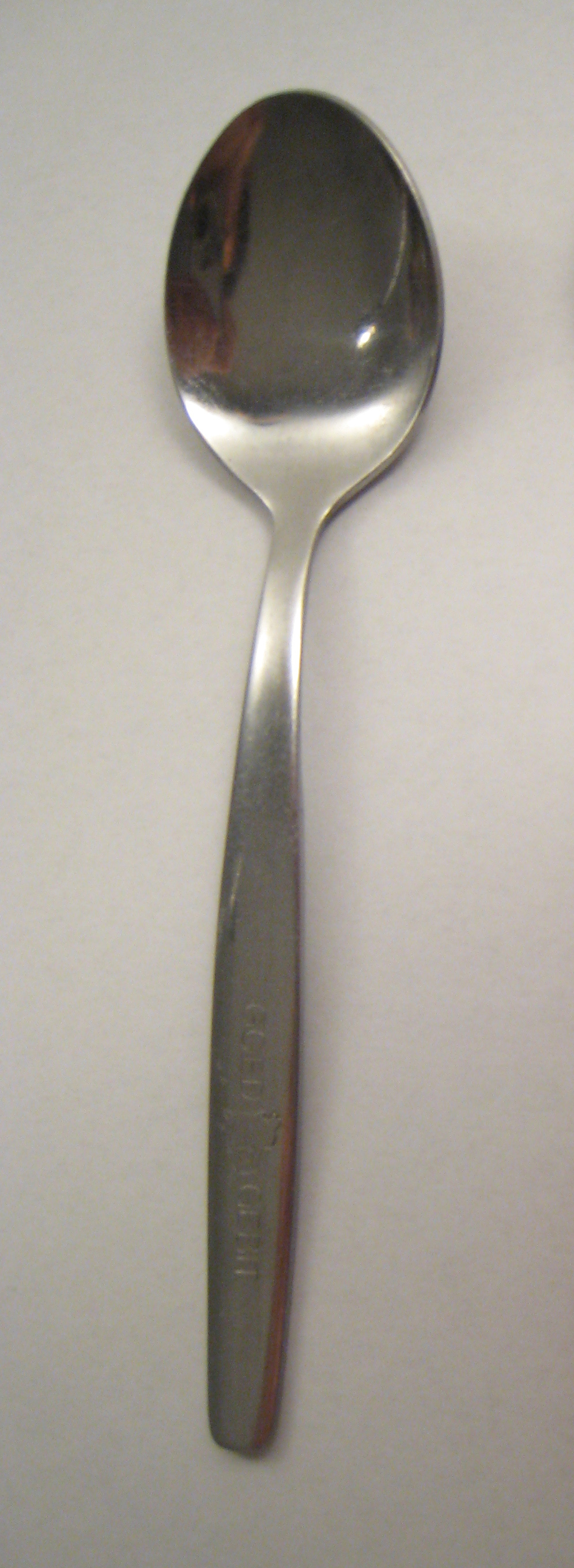


Design, parts and materials
Typical teaspoons have a small bowl and a short handle sized for cups. Variants include long-handled iced tea spoons and demitasse spoons for espresso. Teaspoons are made from a range of materials, including silver and silverplate (silver), various stainless alloys (stainless steel), glass, wood and food-safe plastics. The shape and finishing—flat, round, ornamental—reflect both function and aesthetics.
Types and common forms
- Standard table teaspoon for stirring and eating small desserts.
- Long-handled teaspoons for tall glasses and sundae dishes; useful when eating ice cream or layered desserts (ice cream, desserts).
- Measuring teaspoons engraved or calibrated for recipe use.
- Flat or decorative teaspoons, sometimes called flatspoons in American English.
Measurement and culinary use
In addition to being a utensil, "teaspoon" denotes a unit of volume used in cooking and pharmacy. Modern culinary and pharmacopoeia standards define a teaspoon as equal to 5 millilitres, though older and regional measures varied. Measuring spoon sets often include fractional sizes and are used to achieve consistent results in recipes and medication dosing. For background on spoons generally see spoon.
History and cultural notes
The teaspoon developed alongside tea drinking in Europe and Asia. Small spoons became part of tea service and table etiquette, and fine examples in silver were once status symbols. The utensil also plays a role in leisure: simple games such as "spoons" use small spoons as the game pieces (games).
Uses, distinctions and notable facts
Beyond stirring and portioning, teaspoons serve in measuring, serving condiments, and testing food temperature. The difference between a teaspoon as a utensil and as a unit is important: when precision is required, use calibrated measuring spoons rather than a random table teaspoon. For official measurement guidance consult sources that standardize culinary and medical measures (measurement).
Teaspoons remain one of the most ubiquitous pieces of cutlery worldwide, valued for their simplicity, versatility and long association with everyday rituals around food and drink.
Related articles
Author
AlegsaOnline.com Teaspoon: small spoon, kitchen utensil, and unit of volume Leandro Alegsa
URL: https://en.alegsaonline.com/art/96664
Sources
- merriam-webster.com : "Definition of FLATWARE"