
T-shirt: design, history, styles and cultural role
Casual short-sleeved shirt typically made from knitted cotton or blends. Covers origins, construction, common styles, uses in fashion and advertising, and cultural and sustainability notes.
Overview
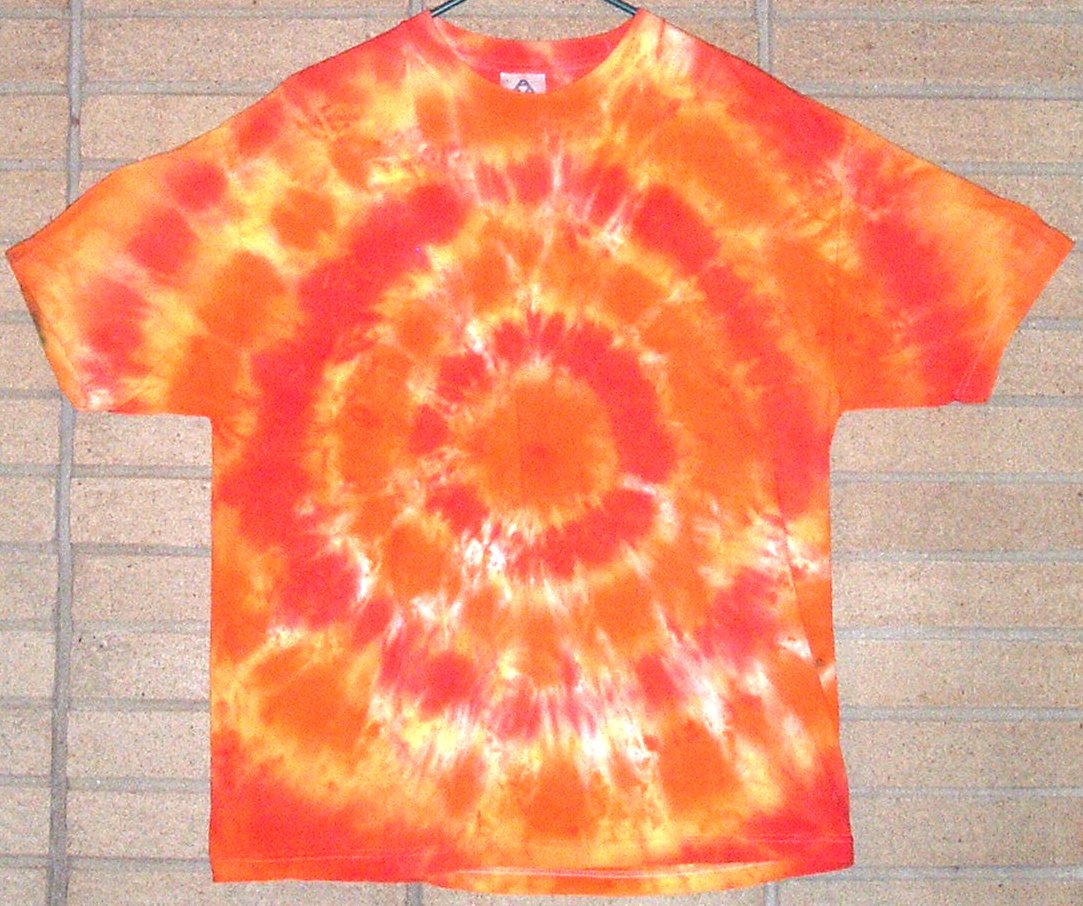
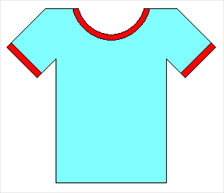
A T-shirt is a simple, short-sleeved garment with a torso covering and no buttons or collar, typically made from a knitted fabric such as cotton or cotton blends. Its sleeves usually extend to the upper arm and leave the forearm uncovered, a silhouette that distinguishes it from long-sleeved shirts and sleeveless tops. Today the T-shirt is widely worn as informal everyday clothing by people of all genders in many parts of the world. For a general definition see shirt and for an explanation of sleeve types see short sleeves.
Image gallery
7 Images




Construction and common styles
Most T-shirts are made from jersey knit or similar stretchable fabric that drapes over the body. Typical features include a round (crew) neckline or a V-neck, set-in sleeves, and a straight hem. Variations expand the basic form into a wide range of styles and functions:
- Necklines: crew, V-neck, scoop, or boat neck.
- Sleeve lengths: cap sleeve, standard short sleeve, three-quarter sleeve.
- Fit: slim, regular, relaxed or oversized cuts.
- Fabric: 100% cotton, cotton–polyester blends, organic cotton, and technical blends for performance wear.
For textile details and common materials consult cotton and cotton–polyester blends. For anatomy references see shoulder and arm measurements in clothing guides.
History and development
The modern T-shirt evolved from 19th-century undergarments and became a standalone casual garment during the 20th century. It was adopted by militaries and laborers for its comfort and ease of laundering, then popularized in civilian life as leisurewear. Mass production, cheaper fabrics and printing techniques such as screen printing helped transform the T-shirt into a medium for advertising, logos and personal expression.
Uses, symbolism and examples
T-shirts serve many roles beyond basic apparel: uniforms and workwear, promotional items, band merchandise, political and social statements, and fashion staples. Screen printing, heat transfer and embroidery are common decoration methods. Typical uses include:
- Casual daily wear and layering under other garments.
- Branded or promotional shirts for businesses and events.
- Merchandise for musicians, films and brands.
They are a ubiquitous canvas for messages and imagery; for cultural contexts and regional differences see resources about clothing norms in countries such as the United States, Canada, England and France.
Manufacture, sustainability and distinctions
Production ranges from artisanal small runs to large-scale factory output. Sustainability concerns—water use, pesticide use in conventional cotton, and garment waste—have encouraged alternatives like organic cotton, recycled fibers and second-hand markets. The T-shirt is distinct from other casual tops such as polo shirts and tank tops by its collarless, pullover form and short sleeves. For further reading on manufacturing and supply chain topics see apparel industry guides and textile references like sizing and sleeve resources.
See also: more about general shirts and garments at related clothing articles, design techniques at pattern and fit, and fiber care at fabric care and cotton.
Additional online resources and industry portals: regional fashion sites, consumer guides, and broader cultural overviews at European fashion references and textile information.
Related articles
Author
AlegsaOnline.com T-shirt: design, history, styles and cultural role Leandro Alegsa
URL: https://en.alegsaonline.com/art/95760