
Tailor: craft, techniques, history and modern practice
A tailor is a skilled professional who makes, alters and repairs garments to fit individual bodies. This article explains their skills, tools, types of tailoring, history and distinctions from related trades.
Overview
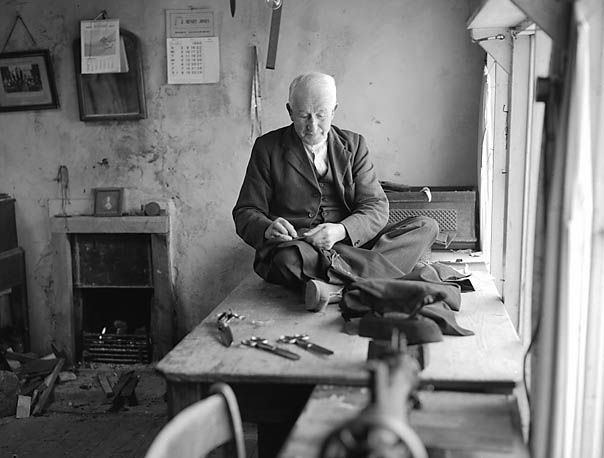
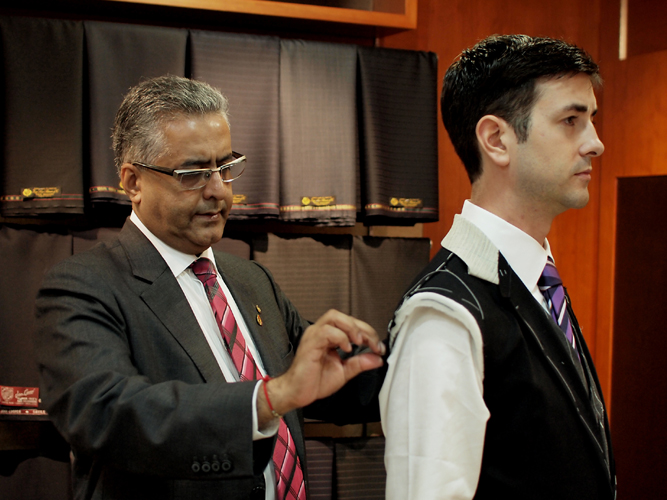
A tailor is a skilled maker and modifier of clothing whose work focuses on fitting garments to individual bodies. Traditionally employed to create suits, coats, dresses and other tailored items, a tailor's job is to make clothes that fit, flatter and function. Tailoring includes making new pieces, altering ready-made garments and mending damaged items to extend their useful life.
Image gallery
8 Images



Skills and tools
Tailors combine handwork and machine techniques. Key skills include taking accurate measurements, cutting fabric from patterns, fitting a garment on a client and finishing seams and hems. Pattern drafting, hand stitching, pressing and knowledge of fabrics are essential. Common tools are:
- Measuring tape, chalk and pins
- Scissors, shears and seam ripper
- Sewing machines and pressing equipment
- Patterns, mannequins and fitting clips
Types and approaches
Tailoring can be practised at different levels of personalization. Bespoke tailoring is fully custom-made from patterns created for a single client. Made-to-measure modifies a base pattern to fit measurements. Ready-to-wear tailors focus on alterations so off-the-rack clothing fits better. High-fashion or couture tailoring applies similar skills within luxury contexts.
History and development
The craft of tailoring developed as clothing shifted from loose garments to shaped, fitted silhouettes. Over centuries, regional styles and tailoring techniques evolved alongside textile technology. Industrial sewing and mass production changed the trade in the 19th and 20th centuries, but bespoke and artisanal tailoring traditions remain important in many cultures.
Uses, examples and importance
Tailors serve individuals, theatre and film costume shops, uniform producers and fashion houses. Services include suits and coats, bridal alterations, costume restoration and repairs. Skilled tailoring improves comfort, appearance and longevity of clothing, and plays a role in sustainable consumption by enabling repair and reuse.
Distinctions and notable facts
Related terms are often used interchangeably but have different emphases: a seamstress or seamster traditionally sews garments and may do home sewing; a dressmaker specializes in women's clothing; a tailor commonly works on fitted garments for both men and women. Training ranges from apprenticeships and trade school to formal fashion programs. Today tailors balance hand finishing with modern machines while contributing to both bespoke luxury and practical wardrobe maintenance.
Related articles
Author
AlegsaOnline.com Tailor: craft, techniques, history and modern practice Leandro Alegsa
URL: https://en.alegsaonline.com/art/95929