
Taupe: definition, characteristics, history and uses of the neutral color
Taupe is a neutral color between gray and brown, originally named for the European mole's fur; widely used in fashion, interiors, and design with many warm and cool variants and close relations to beige and greige.
Taupe is a neutral color family that sits between gray and brown on the spectrum of muted, earthy tones. Rather than a single, fixed shade, taupe describes a range of subdued hues that may appear more gray, more brown, or subtly tinged with other undertones such as warm yellow or cool purple. Its neutrality and low saturation make taupe a versatile choice in clothing, textiles, interiors, and product design.
Image gallery
1 Image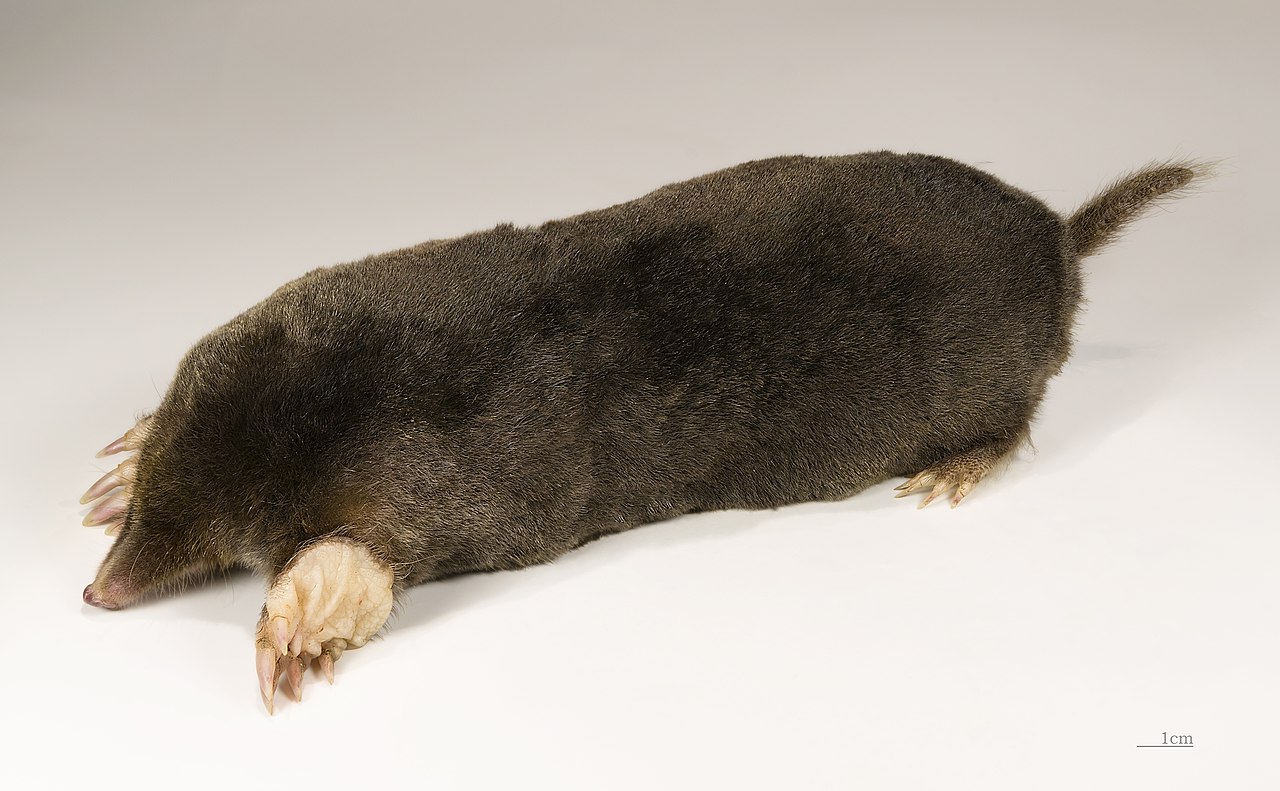
Characteristics and variations
Taupe is characterized by low chroma and moderate darkness. Variants may be described as cool or warm depending on their undertones: a cool taupe leans toward bluish-gray, while a warm taupe contains brown or yellowish hints. Some samples exhibit a faint violet or mauve cast, reflecting the natural color variation found in animal fur. Because so many nuances are accepted under the name, taupe often overlaps with related neutrals such as beige, greige (a blend of gray and beige), and mushroom.
Origin and naming
The name derives from the French word taupe and ultimately the Latin Talpa, the genus name for the European mole (Talpa europaea), whose fur displays the characteristic muted tone. The term entered English usage in the early 19th century to describe that mole-like color. During the mid-20th century, the application of the word broadened to include many closely related shades, mirroring the way other color names such as pink and lavender came to denote a wider family of hues. Natural variation in the mole's fur—ranging from gray through yellowish and purplish tones to brown—helped encourage that extension.
Uses and importance
Taupe's primary appeal lies in its neutrality and adaptability. Designers often choose taupe for its calming, timeless quality: it acts as a backdrop that supports both muted and vivid accents. Common uses include:
- Interior finishes — wall paint, upholstery, carpeting, and window treatments where a neutral, warm atmosphere is desired.
- Fashion and accessories — footwear, outerwear, and leather goods because taupe pairs well with many colors and seasons.
- Cosmetics — foundations, shadows, and liners in taupe shades suit a wide range of skin tones without stark contrast.
- Graphic and product design — packaging and branding that require understated elegance.
Distinctions and practical notes
Taupe is often confused with other neutrals. Compared with beige, taupe tends to be darker and more gray-inflected; compared with brown, it is typically less saturated and cooler. 'Greige' is essentially a deliberate blend of gray and beige and may sit very close to taupe in appearance. The broad usage of the word means that commercial labels can vary—one brand's taupe may look quite different from another's—so it is common practice to view physical samples in the intended lighting before making final color choices.
In summary, taupe is a flexible, understated color family rooted in natural fur tones and widely adopted across design disciplines for its subtlety, range of undertones, and ability to harmonize with diverse palettes.
Questions and answers
Q: What is taupe?
A: Taupe is a dark grayish-brown color.
Q: Where does the name "taupe" come from?
A: The name "taupe" comes from the Latin name for the European Mole, Talpa europaea.
Q: Did the name "taupe" always refer to a specific shade of grayish-brown?
A: No, originally the name "taupe" referred only to the average color of the French mole, but it later expanded to encompass a wide range of varying shades.
Q: Why did the name "taupe" expand to encompass a wide range of shades?
A: The color of the fur of the mole can itself be a wide range of shades, from gray through yellowish, brownish, and even purplish.
Q: When was taupe first used as a color name in English?
A: The exact year is not known, but it was in the early 1800s.
Q: What are some other colors whose names have expanded over time?
A: Pink and lavender are other color names that have expanded to encompass a wider range of shades.
Q: What is the origin of the word "lavender"?
A: The word "lavender" comes from the Old French word "lavendre," which means "to wash."
Related articles
Author
AlegsaOnline.com Taupe: definition, characteristics, history and uses of the neutral color Leandro Alegsa
URL: https://en.alegsaonline.com/art/96535