
Shirt: types, construction, history, and common uses
A shirt is a garment for the upper body varying by style, fabric, and regional terminology. This article explains parts, common types (T-shirt, polo, dress), history, uses, and distinctions in everyday wear.
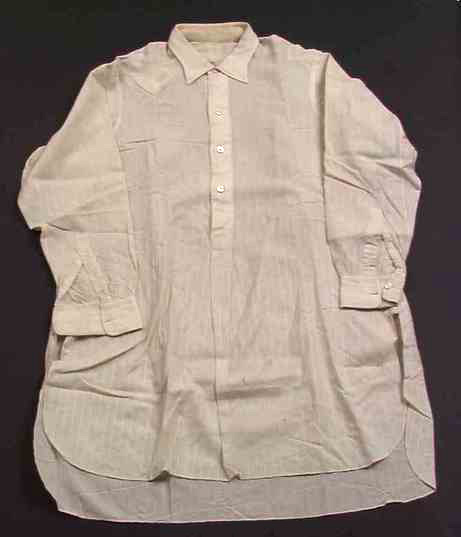
A shirt is a garment designed to cover the torso and upper arms. The word's everyday meaning varies by region: in North America it can refer broadly to many tops including T-shirts and polos, while in Britain "shirt" often denotes a tailored item with a collar, buttoned front and cuffs—what Americans usually call a "dress shirt". Modern shirts range from simple knit tees to tailored, multi-piece constructions used for formal wear.
Image gallery
8 Images


Characteristics and components
Shirts are defined by a combination of construction elements and materials. Typical parts include a collar, shoulder yoke, sleeves, cuffs, a front placket or opening, and a hem. Sleeves come in several styles: set-in sleeves, raglan sleeves, and sleeveless cuts. Some garments emphasize long coverage and may be described as long-sleeved varieties, while others minimize fabric around the arm.
- Collars: point, spread, button-down and band styles.
- Plackets and fastenings: buttons, snaps, or pullover construction.
- Fabrics: woven cottons, linens, knits, and synthetic blends.
- Fit: slim, regular, and relaxed silhouettes.
Common types and examples
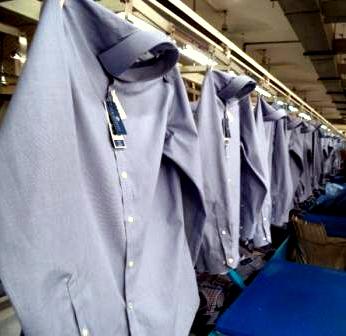
Popular categories include knit casuals like the T-shirt, collared polos, button-up dress shirts, and sport- or work-specific tops. T-shirts are typically made from knit fabric with short sleeves and a simple neckline; sleeveless garments are often labeled as tanks or vests and remove the sleeve entirely, sometimes called sleeveless styles. Dress shirts tend to use woven fabric and include details for a tidy appearance: reinforced collars, cuffs, and a neat placket.
History, social role, and notable distinctions
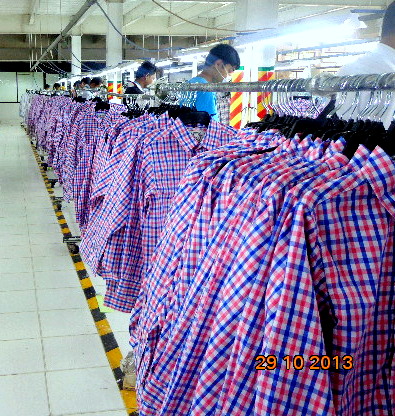
The shirt evolved from ancient tunics and undergarments into specialized items as tailoring and textile production advanced. Over centuries it shifted between underlayer and visible outerwear; the 19th and 20th centuries saw the diversification of styles as mass production and new fabrics made shirts widely affordable. Today a shirt can signal formality, professional identity, athletic function, or casual comfort depending on cut, fabric, and how it is worn.
Practical concerns include fabric care (washing, ironing), appropriate fit for comfort and appearance, and material choice for climate and activity. Sustainable options—organic fibers and recycled materials—have become more common in recent years. Distinguishing among shirts is largely about silhouette, fabric, and the presence or absence of tailoring details rather than a single universal definition.
Related articles
Author
AlegsaOnline.com Shirt: types, construction, history, and common uses Leandro Alegsa
URL: https://en.alegsaonline.com/art/89889
Sources
- domainmarket.com : "ToccoItaliano.com is available at DomainMarket.com"