
Out of Africa (1985 film)
1985 epic romantic drama directed by Sydney Pollack, starring Meryl Streep and Robert Redford. Adapted from Isak Dinesen’s memoir, notable for its cinematography, score and contested colonial perspective.
Overview
Out of Africa is a 1985 epic romantic drama directed and produced by Sydney Pollack. The screenplay adapts material from the memoir by Isak Dinesen (the pen name of Karen Blixen) and follows a European baroness who runs a coffee farm in early 20th‑century East Africa. The film stars Meryl Streep and Robert Redford and is set in colonial Kenya, drawing on episodes and personalities from the original 1937 book (Isak Dinesen).
Image gallery
2 Images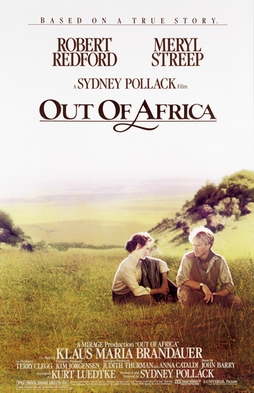

Background and adaptation
The motion picture condenses and reshapes elements of the memoir into an atmospheric, character‑driven drama rather than a tightly plotted narrative. The film highlights themes of memory, loss and the complexities of cross‑cultural encounters. Adapting a literary memoir required selecting episodes that conveyed the book’s elegiac tone while creating a coherent cinematic throughline.
Story and characters
The central narrative follows a cultured Danish woman who leaves Europe after an unhappy marriage and establishes a life in Africa managing a plantation. Her relationships with colonial neighbors, local communities and a charismatic hunter form the emotional core of the film. The romance is presented as part of a wider portrait of a changing place and era, with supporting figures who illuminate social life among settlers and interactions with indigenous peoples.
Cast and notable contributors
- Meryl Streep as the protagonist; her performance was widely praised and anchors the film (Meryl Streep).
- Robert Redford as the free‑spirited hunter and love interest (Robert Redford).
- Supporting cast includes Michael Kitchen as Berkeley Cole, Michael Gough, Suzanna Hamilton and appearances by Malick Bowens, Stephen Kinyanjui and the model‑actress Iman.
Production and locations
The production was notable for its on‑location shooting and for creating a strong sense of place through period production design and costume. Filming in East Africa and on constructed sets aimed to capture the landscapes and social milieu that inform the protagonist’s memories. The visual approach emphasizes wide vistas, light and the slow rhythms of rural life.
Cinematography and music
The film received attention for its cinematography and musical score, which together contribute to its meditative mood. These elements were central to audience impressions of the movie as a lush, romantic epic. The pairing of visual imagery with the score shapes the film’s elegiac atmosphere and has been highlighted in accounts of its artistic achievement.
Reception and awards
On release the film received mixed reviews: many critics praised the central performances, the photography and the emotional tone, while others criticized its pacing or argued it presented a sentimental view of colonial life. Despite divided critical response, Out of Africa won seven Academy Awards, including Best Picture and Best Director, and it has remained a recognizable title in popular and critical discussion.
Themes and later reassessment
Scholars and critics have used the film to discuss cinematic portrayals of empire and the ethics of telling African stories through settler perspectives. While many viewers admire its craft and performances, modern readings often place the film in debates about representation, historical context and whose viewpoint is centered in adaptations of colonial‑era memoirs.
Legacy and further reading
Out of Africa endures as an example of 1980s studio filmmaking that prioritized production values, star power and literary adaptation. For further information consult biographies and filmographies of the principal contributors, production histories and editions of the original memoir by Isak Dinesen, as well as contemporary and retrospective criticism about the film’s cultural perspective. Additional resources on the director and leads are available through profiles of Sydney Pollack, Meryl Streep and Robert Redford, and archival interviews and articles provide more detail on casting and the making of the film (Kenya, regional history and cinematic context).
For cast details and production credits see listings that note contributors such as Michael Gough and performers like Iman. The film’s awards and honors, including recognition at the Academy Awards, continue to inform its place in film history and studies of adaptation and representation.
Author
AlegsaOnline.com Out of Africa (1985 film) Leandro Alegsa
URL: https://en.alegsaonline.com/art/143791