
Sunburn: causes, symptoms, prevention and treatment
Sunburn is skin injury from excess ultraviolet (UV) radiation. This article explains how sunburn develops, common symptoms, risk factors, prevention strategies and basic home care and when to seek medical help.
Overview
Sunburn is an acute injury to the skin caused by overexposure to the ultraviolet portion of sunlight. Ultraviolet (UV) rays damage cells and molecular components in the outer layers of the skin, triggering inflammation, pain and the visible reddening that people recognize as a sunburn. The condition ranges from mild redness to blistering and can take days or weeks to heal depending on severity.
Image gallery
8 Images


How it develops and typical signs
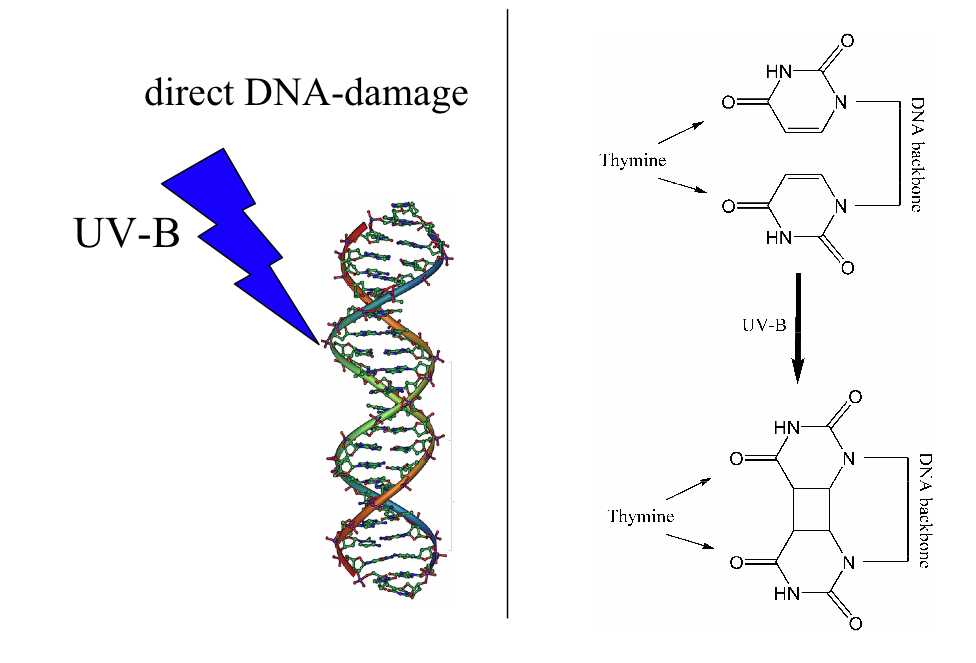
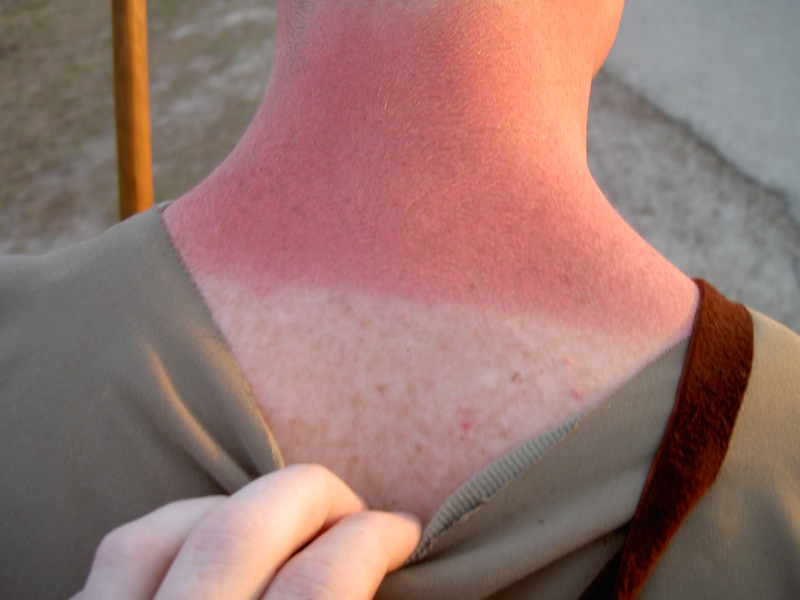
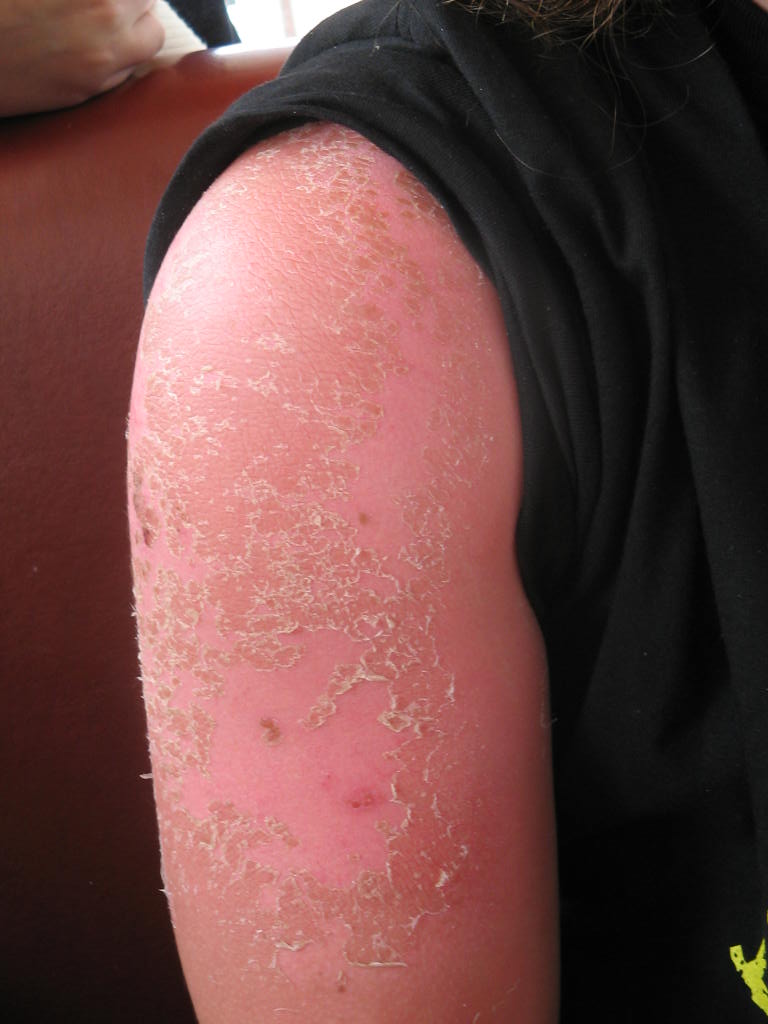
UV radiation penetrates skin cells and harms DNA, proteins and membranes. The body responds with increased blood flow and immune activity, producing the characteristic red, hot and tender area. Symptoms commonly include redness, warmth, pain to touch, swelling, blisters in more serious cases and later peeling as damaged cells are shed. Onset of symptoms may be delayed several hours and pain can peak the day after exposure.
Risk factors and biological protection
People with less natural skin pigment are generally more susceptible because pigment like melanin provides some protection against UV. Other contributors include duration and intensity of sunlight, the angle of the sun, altitude, reflective surfaces such as water or snow, and certain medications or medical conditions that increase photosensitivity. The link between repeated sunburn and future skin damage or skin cancer is well established, so prevention matters for long-term health.
Prevention
- Limit direct sun exposure during peak UV hours and seek shade when possible.
- Wear broad-coverage clothing, wide-brim hats and UV-protective sunglasses.
- Use a broad-spectrum sunscreen and reapply according to the product instructions, especially after swimming or sweating; higher-protection products reduce but do not eliminate risk.
- Be aware that clouds, glass and reflective surfaces may still allow significant UV through.
Treatment and when to seek care
Mild sunburn can often be managed at home: cool compresses, non-prescription pain relievers, gentle moisturizing lotions (avoid products with fragrances or alcohol), and hydration. Brief topical steroid creams may relieve itching; do not break blisters. Seek medical attention for very painful large-area burns, high fever, confusion, severe blistering or signs of infection. In these situations professional care is important.
Distinctions and notable facts
Sunburn is a UV-induced burn, distinct from thermal burns caused by heat or chemical burns from irritants. Terms like "sun poisoning" are used for severe systemic reactions after extreme UV exposure. For further reading on related topics such as first aid for burns or skin types see burn, skin, sunlight, and ultraviolet (UV). For quick references to common symptoms and recovery timelines see redness, typical healing over several days or sometimes weeks. Learn more about natural protection like melanin and practical sun-safety advice at trusted sources: general burn care and public health guidance on cancer prevention.
Related articles
Author
AlegsaOnline.com Sunburn: causes, symptoms, prevention and treatment Leandro Alegsa
URL: https://en.alegsaonline.com/art/94867