
Sunscreen: Uses, Types, Safety, and Environmental Issues
Overview of sunscreen: how it protects against UV, types of ingredients, application and safety tips, regulatory status, and environmental concerns including reef-safe debates.
Overview
Sunscreen (also called sunblock or sun cream) is a topical product designed to reduce skin injury from ultraviolet (UV) radiation emitted by the sun. Regular use lowers the risk of sunburn and cumulative skin harm and contributes to reducing the long-term risk of skin cancer. Effective sunscreens protect against both shortwave UVB, a primary cause of sunburn, and longer-wave UVA, which penetrates more deeply and contributes to premature aging and some skin cancers.
Image gallery
6 Images


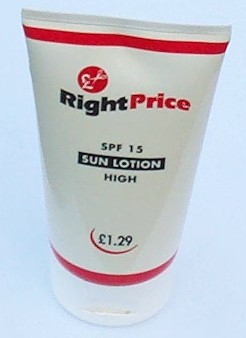
How sunscreen works
Sunscreens operate by either absorbing, scattering, or reflecting UV light. Chemical filters contain organic molecules that absorb energetic UV photons and convert that energy to heat; common targets are UVB and UVA wavelengths. Mineral filters, such as zinc oxide and titanium dioxide, act mainly by reflecting and scattering light while also absorbing a portion of UV energy. Labels that say "broad-spectrum" indicate coverage across both UVA and UVB bands. Manufacturers also test and report sun protection factor (SPF), a measure primarily of UVB protection; higher SPF values provide greater UVB protection but with diminishing returns.
Types and typical ingredients
- Chemical (organic) filters: absorb UV light. Examples include compounds that target UVB and UVA ranges.
- Physical or mineral filters: often based on zinc oxide or titanium dioxide; these provide immediate protection and are less likely to irritate sensitive skin.
- Combination formulas: many modern products blend both approaches to improve texture, cosmesis, and spectrum coverage.
Use, application, and practical tips
To be effective, sunscreen must be applied liberally and uniformly to exposed skin. Apply sunscreen before going outdoors and reapply after swimming, heavy sweating, or toweling dry. Water-resistant sunscreens retain their labeled protection for a limited period while swimming or sweating; no sunscreen is completely waterproof. Use clothing, hats, and shade as additional protections, and consider avoiding sun exposure during peak solar hours. For infants and very young children, medical guidance typically recommends minimizing direct sun exposure and using protective clothing before resorting to topical sunscreen.
Regulation, safety, and side effects
In many countries sunscreens are regulated as over-the-counter (OTC) products; for example, the U.S. Food and Drug Administration oversees active ingredients and labeling. Some people may experience skin irritation or allergic reactions to particular filters, fragrances, or preservatives. Be attentive to product expiration dates and storage instructions. Claims such as "broad-spectrum" and specific SPF values are useful, but other marketing terms require scrutiny.
Environmental concerns and notable policies
Certain chemical sunscreen ingredients have raised concerns about coral-reef health and marine ecosystems. As a result, a number of jurisdictions have restricted or banned specific compounds in marine protected areas; places that have enacted such restrictions include some parks and territories in countries like Mexico and island jurisdictions such as Hawaii and other regions. When choosing products for use near sensitive marine environments, look for formulations labeled "reef-safe" and review local guidance. For further reading on UV classification, wavelengths and specific filters see resources on UVB, sunburn, and broader discussions of skin damage.
For regulatory information, ingredient lists, or guidance on selecting sunscreens for particular needs, consult authoritative sources and skin health professionals. Additional general resources are available through links such as UV overview and public health guidance pages: sun safety, cancer prevention, and product guidance at skin protection portals. Manufacturers and local regulators also publish updates at zinc and mineral filter information pages and reviews found on consumer and health sites: sunburn prevention and UVB technical notes.
Related articles
Author
AlegsaOnline.com Sunscreen: Uses, Types, Safety, and Environmental Issues Leandro Alegsa
URL: https://en.alegsaonline.com/art/94925