
Melanin: pigment, production, functions, and clinical significance
Melanin is a natural pigment produced by melanocytes that colors skin, hair and eyes and provides partial protection from ultraviolet radiation. Covers types, synthesis from tyrosine, regulation, and common disorders.
Overview
Melanin is a biological pigment found in many animals and some microorganisms. In humans it is produced by specialized cells called melanocytes in the basal layer of the epidermis. The quantity, type and distribution of melanin determine much of the visible variation in skin, hair and eye color. Melanin absorbs a wide range of ultraviolet (UV) radiation and reduces some of the cellular damage that UV can cause.
Image gallery
9 Images


Types and distribution
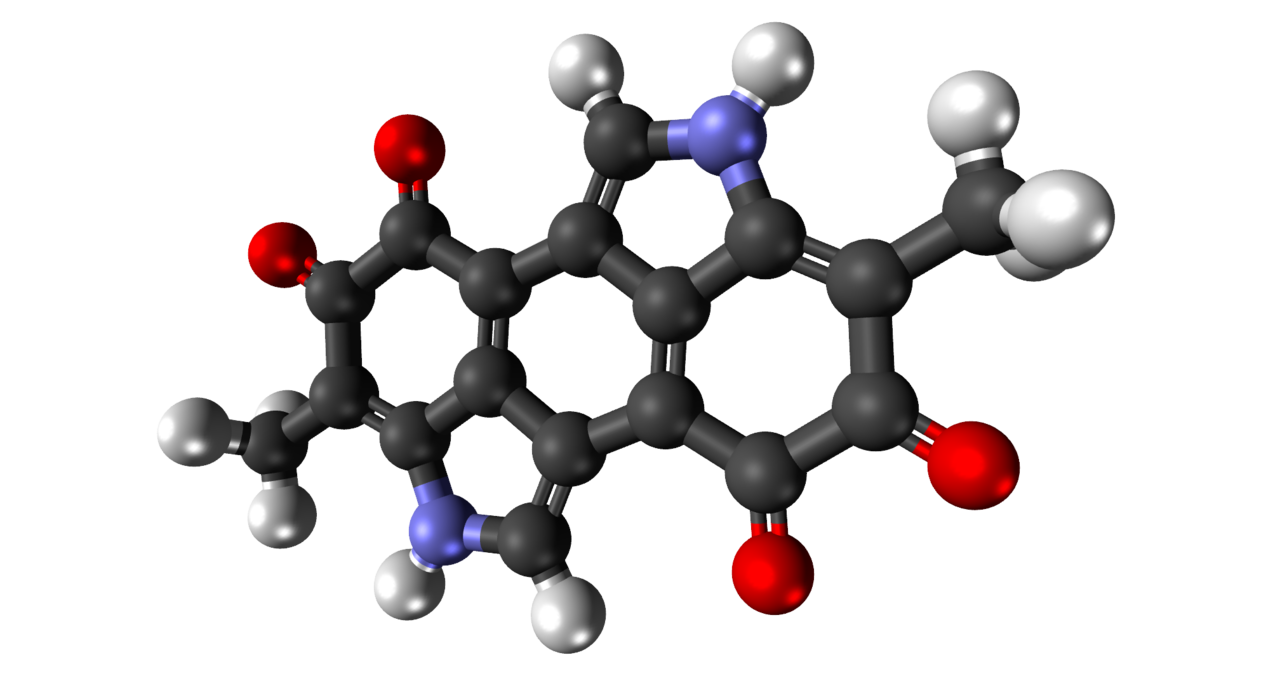
There are distinct chemical and functional forms of melanin. Eumelanin gives brown and black shades and is the dominant form in darker pigmentation. Pheomelanin produces yellow to red tones and is more common in lighter skin and red hair. Neuromelanin is present in specific brain regions and is the subject of ongoing study. The visible color results from the relative amounts and granular distribution of these pigments.
Biochemistry and synthesis
Synthesis begins with the amino acid tyrosine, which is converted through enzymatic steps inside organelles called melanosomes. Enzymes such as tyrosinase regulate the pathway and influence whether eumelanin or pheomelanin predominates. The overall synthesis pathway leads to polymeric pigments that are deposited in melanosomes and then transferred to surrounding keratinocytes.
Cellular mechanism and regulation
Melanocytes respond to genetic signals, hormones and environmental cues. UV exposure stimulates increased melanin production and redistribution, producing tanning. Melanosomes move along cellular processes and are passed to keratinocytes, which distribute pigment across the epidermal surface. Age, endocrine changes and genetic variation affect melanocyte activity and pigment persistence.
Functions and broader roles
The principal protective role of melanin in the skin is to absorb and dissipate UV energy, lowering the risk of DNA damage. Melanin also influences visual function when present in the eye, and contributes to hair properties. Hypotheses in evolutionary biology discuss trade-offs between photoprotection and vitamin D synthesis, but such ideas are treated cautiously and investigated within broader evidence.
Clinical relevance
- Albinism — genetic conditions reducing or eliminating melanin production, often affecting skin, hair and vision.
- Vitiligo — loss of melanocytes leading to patchy depigmentation.
- Hyperpigmentation — excess or localized melanin (for example melasma or post-inflammatory changes).
- Melanoma — malignant tumor of melanocytes; early detection and specialist care are important.
Research continues into melanin's molecular protective mechanisms, its roles beyond coloration, and potential applications in medicine and materials science. For reliable clinical guidance, consult dermatology and genetics resources and authoritative reviews that cover pigment biology in depth.
Related articles
Author
AlegsaOnline.com Melanin: pigment, production, functions, and clinical significance Leandro Alegsa
URL: https://en.alegsaonline.com/art/63624