
Surgery: definition, methods, history, and modern practice
Comprehensive overview of surgery: what it is, major types and specialties, operating room practices, anesthesia, historical advances and modern trends including access and medical tourism.
Overview
Surgery is the branch of medicine that treats injuries, diseases and deformities by physically changing body tissues and organs. Surgical procedures may remove, repair, replace or reconstruct parts of the body. The term is used for planned interventions as well as emergency operations; a concise definition can be found at surgery overview. Physicians who perform operations are called surgeons and most focus on particular anatomical systems or techniques, for example an orthopaedic surgeon treats bones and joints.
Image gallery
10 Images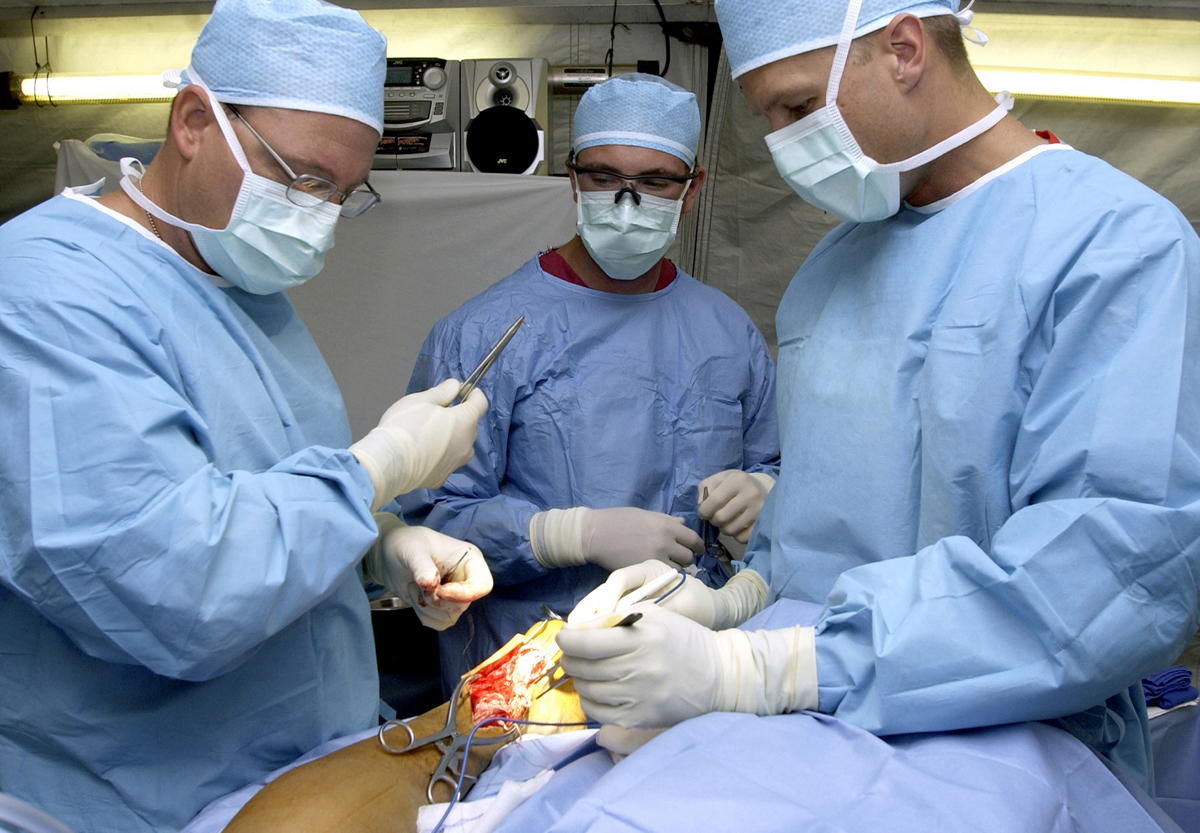







Types and common examples
Surgical procedures range from very minor to highly complex. Minor procedures include extractions and simple repairs—such as removing a damaged tooth through dental surgery (tooth extraction)—while major operations can involve opening the chest to repair cardiac structures (heart surgery) or transplanting organs. Surgeries are often classified as elective, urgent or emergency, and by technique as open, minimally invasive (laparoscopic), endoscopic or robotic-assisted.
Operating room, sterile technique and attire
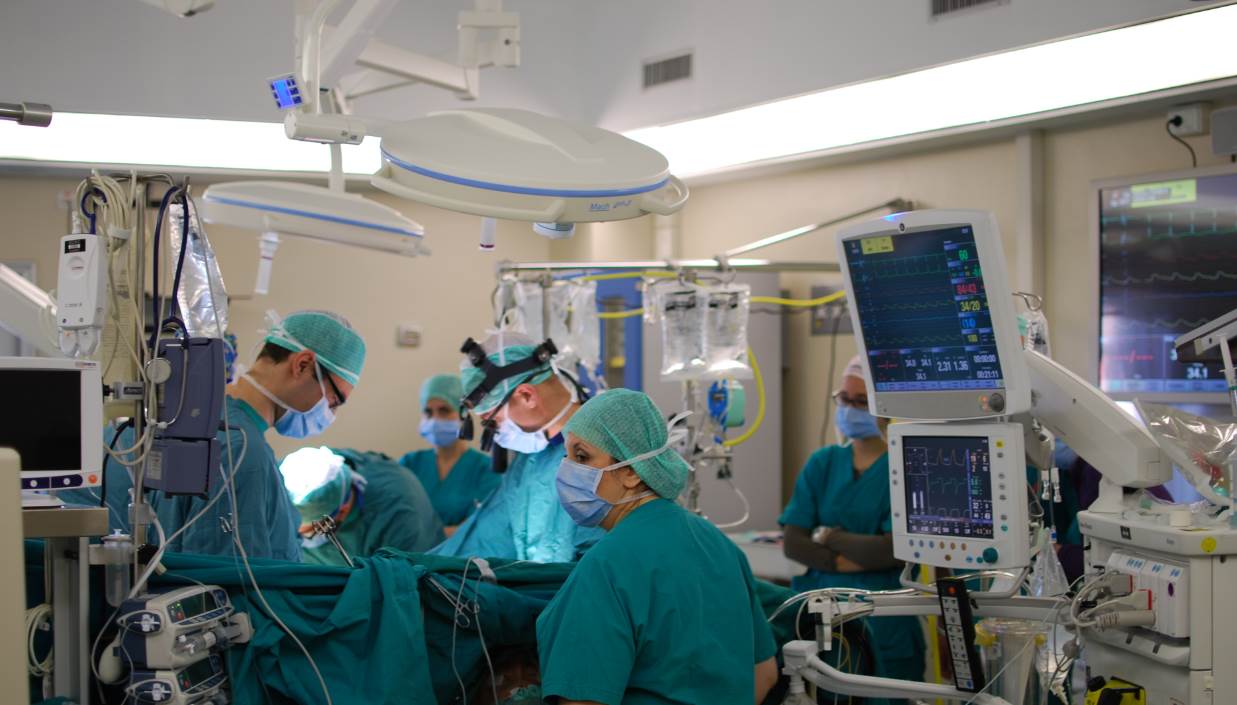
The operating room is a controlled environment designed to reduce infection risk and support complex teamwork. Trained staff including surgeons, anaesthetists and nurses follow strict procedures for sterilizing instruments and surfaces to limit germs and contamination (infection control). Everyone in the suite wears protective and disposable attire—special clothing, surgical hats, dedicated shoes, sterile gowns, gloves and masks—and only essential personnel and the patient are present during the procedure.
Anesthesia, perioperative care and risks
Anesthesia allows most surgeries to proceed without pain. General anaesthesia renders the patient unconscious, while local and regional anaesthesia numb a specific area. Perioperative care includes preoperative assessment, intraoperative monitoring and postoperative recovery focused on pain control, wound healing and preventing complications such as bleeding, infection or organ dysfunction. Risk varies with the patient’s health, the complexity of the operation and the facility’s resources.
Specialties and disciplines
- General surgery: abdominal organs, soft tissues and trauma.
- Orthopaedics: bones, joints and musculoskeletal trauma (orthopaedic).
- Cardiothoracic surgery: heart and thoracic cavity (cardiac procedures).
- Neurosurgery: brain and spinal cord repair.
- Plastic and reconstructive surgery: restoration and aesthetic procedures.
History and modern trends
Surgical practice has evolved from rudimentary procedures in ancient societies to advanced interventions today. Key advances include the adoption of anaesthesia and antiseptic technique in the 19th century, which transformed outcomes. The late 20th century introduced minimally invasive and laparoscopic methods, and the 21st century has seen growing use of robotic assistance and image-guided surgery. Ambulatory and day-surgery models have expanded access while reducing hospital stays.
Importance, access and global considerations
Surgery is essential for treating many life-threatening and disabling conditions and contributes substantially to public health. However, access to safe surgical care varies widely worldwide; some patients travel abroad for procedures when care is unavailable or costly, a practice known as medical tourism. Efforts to improve surgical safety, train specialists, and equip facilities are central to reducing disparities in outcomes.
Further reading
For introductory material, procedural guides and professional resources see basic surgery resources and specialist pages such as those addressing orthopaedics (orthopaedic surgery), dental procedures (dental extraction), cardiac surgery (cardiac operations), nursing roles (surgical nursing), infection control (sterilization protocols) and patient safety standards covering attire and staff roles (scrubs, surgical caps, operating footwear, sterile gowns, gloving, masking) and patient preparation (preparing the patient).
Questions and answers
Q: What is surgery?
A: Surgery is an operation that involves cutting, taking out, changing or fixing parts of the human body.
Q: Who are surgeons?
A: Surgeons are doctors who perform surgeries.
Q: What type of surgeon operates on bones?
A: An orthopaedic surgeon operates on bones.
Q: How can surgery be complicated?
A: Surgery can be very complicated, like repairing a damaged heart.
Q: Why must operating rooms be clean places?
A: Operating rooms have to be very clean places in order to keep everything germ-free and prevent infection.
Q: What kind of clothing do people wear in the operating room?
A: People in the operating room must wear special clothes, hats, shoes, gowns, gloves and masks that are clean and germ free.
Q: What is medical tourism?
A: Medical tourism is when people travel to another country for medical care due to not being able to get the required surgery in their own country or find the costs too high.
Related articles
Author
AlegsaOnline.com Surgery: definition, methods, history, and modern practice Leandro Alegsa
URL: https://en.alegsaonline.com/art/95176