
Subshrub: low, partially woody perennial plants (suffrutex)
Subshrubs (suffrutices) are low-growing perennials with a woody base and softer stems. This article explains their traits, examples, horticultural uses, and how they differ from shrubs and herbaceous plants.
Overview
A subshrub, historically called suffrutex, is a perennial plant with a woody base and softer, often semi-woody upper stems. In horticulture and botany the term helps distinguish plants that are not fully woody like ordinary shrubs but are more persistent than purely herbaceous perennials. Subshrubs typically remain low to the ground and may renew their softer growth annually while retaining a woody framework.
Image gallery
2 Images
Key characteristics
Subshrubs are defined by several common features: a persistent, woody lower stem; relatively short overall height; and aboveground shoots that can be weakly woody or die back seasonally. They are generally smaller than true shrubs and often under 10–20 cm in height at maturity, though some can reach greater heights in favorable conditions. Their partial woodiness gives them resilience in exposed sites while allowing flexible growth habit.
Structure and growth habit
Anatomically, a subshrub combines a durable basal crown or rootstock with new shoots that are more herbaceous. The woody lower portion acts as a perennial storage and regenerative organ, while the softer stems support leaves and flowers during the growing season. This mixed habit influences pruning, propagation and winter survival: damaged aerial parts can regrow from the woody base.
Terminology and context
The label is practical rather than strictly taxonomic. Gardeners use it to contrast such plants with fully woody shrubs or strictly herbaceous species. In botanical literature the idea overlaps with terms like dwarf shrub and chamaephyte. The descriptor also distinguishes the plant from fully woody trees or shrubs when assessing landscape function and maintenance needs.
Examples and uses
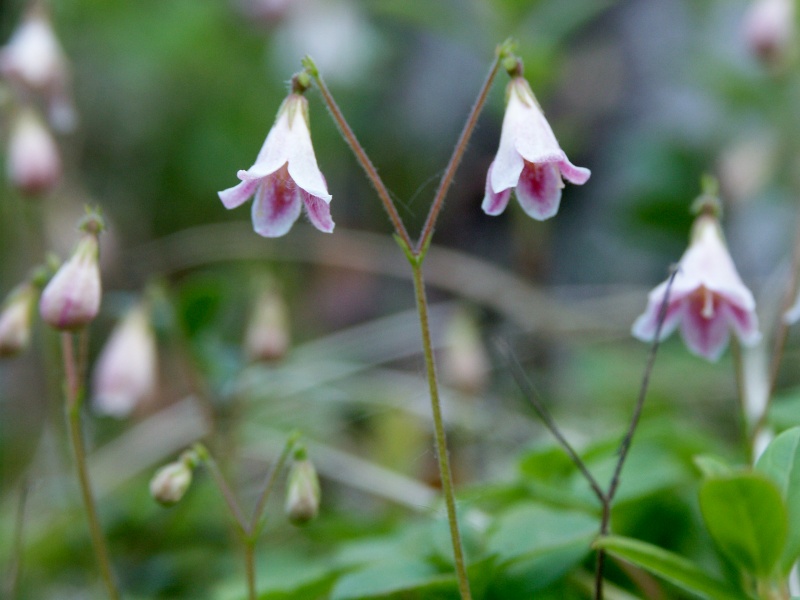
Many familiar garden and wild plants are classed as subshrubs. Examples include aromatic and groundcover species such as lavender, periwinkle and thyme. Several members of the heath family, Ericaceae, include small, low forms and species like cranberries that behave as subshrubs in their native habitats. Gardeners value them for low hedging, rockeries, border fronts and erosion control, and some are cultivated for culinary, aromatic or ornamental qualities.
Practical distinctions and care
- Pruning: light annual trimming encourages compact regrowth from the woody base.
- Propagation: many subshrubs root easily from semi-ripe cuttings or by division of crowns.
- Site selection: they often prefer well-drained soils and sunny positions but some tolerate shade or acidic conditions depending on species.
- Hardiness: the woody base improves cold tolerance, yet top growth may need protection in severe winters.
Understanding the subshrub habit helps gardeners choose plants that combine low stature with multi-year persistence, offering durable structure and seasonal renewal without the size and maintenance of larger shrubs.
Related articles
Author
AlegsaOnline.com Subshrub: low, partially woody perennial plants (suffrutex) Leandro Alegsa
URL: https://en.alegsaonline.com/art/94509