
Street: definition, design, history and social role
A street is a public way in an urban environment; this article explains its form, components, history, functions, and cultural importance, with examples and distinctions from roads and other thoroughfares.
Overview
A street is a surfaced public thoroughfare within a settlement, typically intended for travel by pedestrians, bicycles, and vehicles. In everyday language the words "street" and "road" are often used interchangeably, but "street" commonly refers to routes inside towns and cities where buildings front directly onto the way, while roads more often connect separate places.
Image gallery
10 Images



Characteristics and components
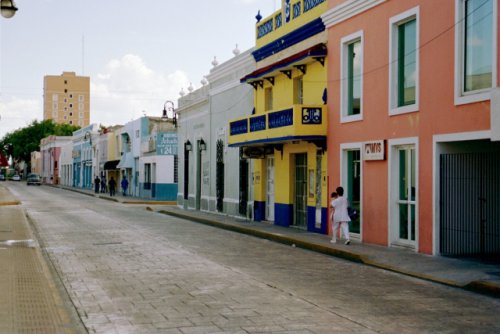
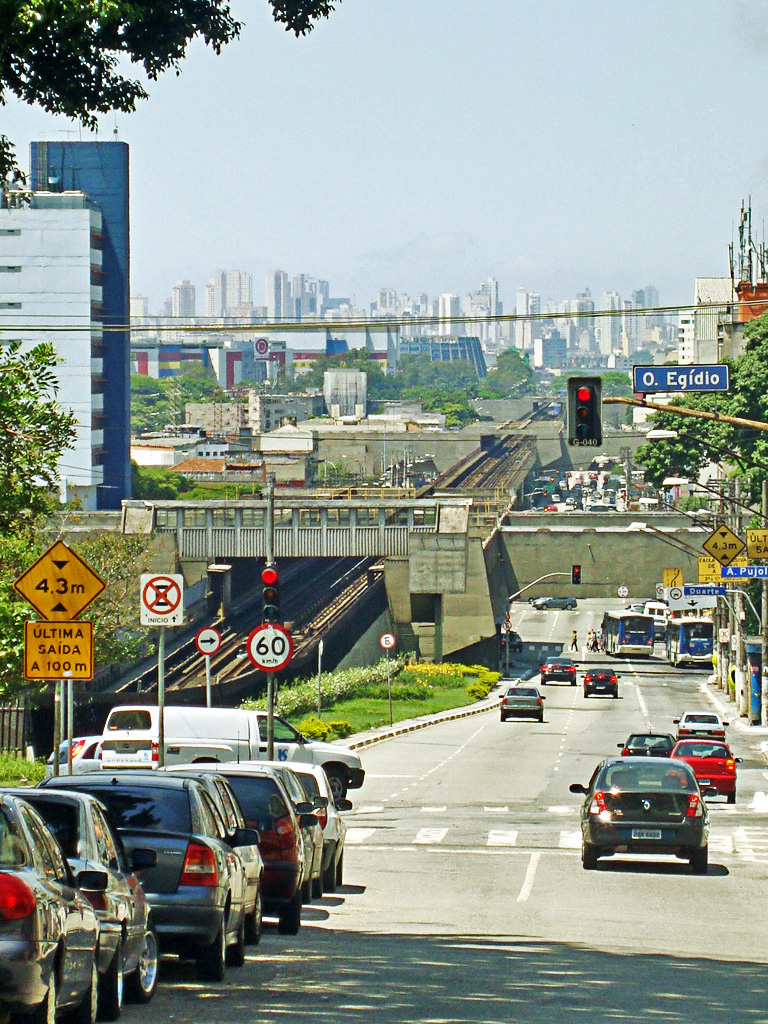
Streets combine several elements that support circulation, safety, and life at ground level. Typical components include a paved carriageway for vehicles, separate sidewalks for pedestrians, curbs and gutters for drainage, street lighting, trees or planting strips, signage, and sometimes dedicated lanes for transit and bicycles. The detailed design—width, materials, slope, and amenities—affects speed, accessibility, and the street's social character.
Design priorities and types
Urban designers and traffic engineers balance multiple goals when planning streets: moving people and goods efficiently, ensuring safety, providing access to buildings, and creating pleasant public space. Street types vary by function and form; examples include residential streets, commercial high streets, boulevards, avenues, alleys, and pedestrianized promenades. Some thoroughfares emphasize through-traffic, while others prioritize local access and activity.
History and development
Streets have evolved alongside settlements. Early paved streets appear in ancient cities where trade and administration concentrated activity. In medieval towns streets grew organically; later periods brought planned grids, grand avenues, and engineering for sanitation and public transit. The rise of motor vehicles in the 20th century reshaped many streets, often widening carriageways and changing priorities; more recently there has been renewed interest in reclaiming space for pedestrians, cycling, and greenery.
Uses, culture and economy
Beyond circulation, streets are venues for commerce, social interaction, and cultural expression. Market stalls, shops, festivals, protests, and street life give neighborhoods identity and economic vitality. Famous examples include entertainment districts and historic streets whose names evoke particular activities; for instance, Bourbon Street in New Orleans is noted for nightlife and festivals (Bourbon Street), while the Bowery in Manhattan has changed roles over time from an early highway to a cultural and commercial corridor (the Bowery) in Manhattan.
Notable distinctions and contemporary trends
- Addressing and navigation: streets provide the basis for numbering and postal systems, helping locate buildings and services.
- Pedestrianization and shared streets: many cities convert sections to prioritize people over cars, improving walkability and local commerce.
- Maintenance and governance: streets are usually public assets managed by municipal authorities responsible for upkeep, safety, and regulation.
Understanding streets means seeing them as more than conduits for movement: they are layered infrastructures shaping how cities function and how people experience urban life.
Related articles
Author
AlegsaOnline.com Street: definition, design, history and social role Leandro Alegsa
URL: https://en.alegsaonline.com/art/94248