
New Orleans
New Orleans, Louisiana's largest city, is a major port and cultural center in the United States known for its French and Creole heritage, jazz, cuisine, Mardi Gras, and resilience after Hurricane Katrina.
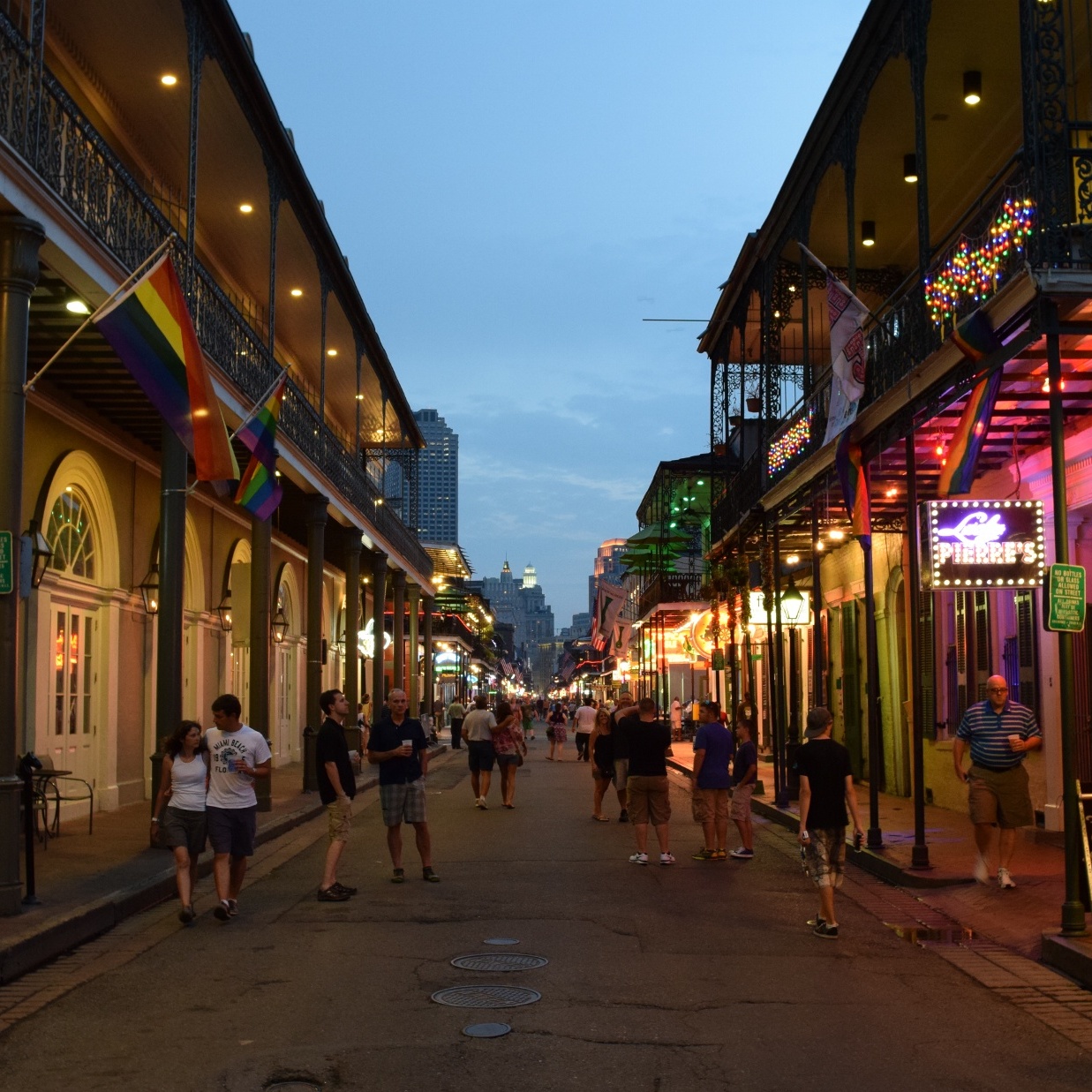
New Orleans is the largest city in the U.S. state of Louisiana and a distinctive cultural and economic hub in the United States. Built along a bend of the Mississippi River near its delta, the city is famous for its layered history, diverse population, and vibrant public life. Visitors and residents alike encounter a mix of French, Spanish, African, Caribbean, and American influences in language, architecture, food, and music.
Image gallery
10 Images




History and development
The settlement that became New Orleans was established in the early 18th century under French colonial administration and was later governed by Spain before returning to France and being sold to the United States in the Louisiana Purchase. Its name honors the Duke of Orléans. The city grew as a strategic port and commercial center for the Mississippi valley, becoming a crossroads for trade, migration, and cultural exchange. In the late 19th and early 20th centuries it emerged as an incubator for new musical forms, notably jazz.
Geography and infrastructure
New Orleans lies largely below or near sea level inside a crescent-shaped bend of the Mississippi River. The surrounding wetlands, levee systems and canals are central to the city's infrastructure and flood protection. Vulnerability to storms was tragically exposed by Hurricane Katrina in 2005, when levee failures produced widespread flooding; recovery and adaptation have been major civic priorities since then.
Culture, neighborhoods, and economy
The city's cultural reputation centers on its music, festivals and cuisine. Jazz, brass bands and street parades are integral to daily life, while annual events—most famously Mardi Gras—draw international audiences. Creole and Cajun culinary traditions produced iconic dishes such as gumbo, jambalaya and po'boys. Economically, New Orleans combines a busy port and maritime services with tourism, higher education, healthcare and sectors linked to energy and logistics.
- Notable neighborhoods: the French Quarter, Garden District, Treme, Marigny and the Warehouse/Industrial District.
- Cultural institutions: music clubs, museums, universities and longstanding community organizations.
Distinctive features and challenges
New Orleans is notable for its preserved historic architecture, its legal traditions influenced by French and Spanish civil law, and its enduring multilingual and multicultural character. At the same time the city faces ongoing challenges: land subsidence, coastal erosion, climate change, and the need to balance tourism with community life. Despite these pressures, New Orleans remains a widely recognized symbol of cultural resilience and creativity.
Related articles
Author
AlegsaOnline.com New Orleans Leandro Alegsa
URL: https://en.alegsaonline.com/art/69582
Sources
- www2.census.gov : "2016 U.S. Gazetteer Files" · archive.is
- census.gov : census.gov
- census.gov : "Population and Housing Unit Estimates"
- washingtonpost.com : "Census shows a far less populous New Orleans"