
Streetlight
An overview of streetlights: purpose, common designs and lamp types, history of public lighting, benefits and concerns, and how modern controls and LEDs are reshaping urban illumination.
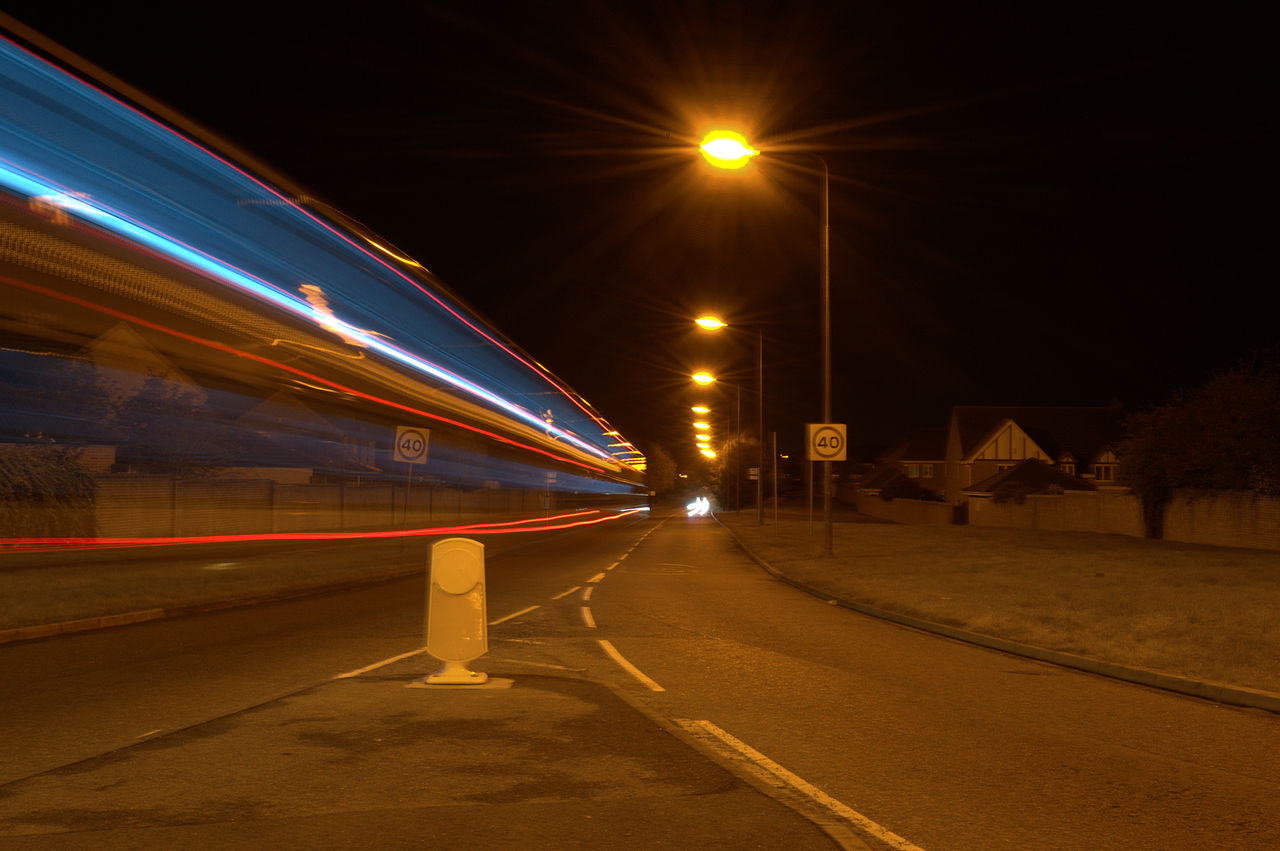
A streetlight is a mounted outdoor lighting fixture designed to illuminate roads, sidewalks and public spaces after dark. Its primary purposes are to improve visibility for pedestrians and drivers, deter crime, and help orient people in the built environment. Streetlighting also contributes to urban activity and safety by reducing the risk of trips and vehicle collisions when properly designed and maintained.
Image gallery
10 Images



Typical parts and characteristics
A conventional streetlight assembly includes a pole or mast, a luminaire (the housing that holds the light source), the light source itself, electrical ballast or driver, mounting hardware and a control device such as a photocell or timer. Typical characteristics that planners consider are mounting height, light distribution pattern, color appearance and energy use. The physical design ranges from simple single-arm poles to decorative historic-style lanterns.
Common lamp types
- Gas and incandescent lamps: early public lighting used gas flames or incandescent bulbs; these are now rare.
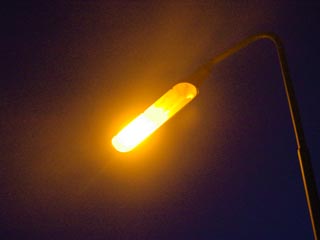
- Discharge lamps: examples include mercury-vapor and sodium vapor lamps, which historically produced blue-white or orange-yellow light respectively.
- Metal halide: a white, higher color-rendering discharge lamp used in some applications.
- LEDs: light-emitting diodes are increasingly widespread due to high efficiency, long life and good color rendering; they also allow precise directional control.
For general technical information about the basic light source, see the entry for lamp types and characteristics.
History and development
Public lighting evolved from open-flame gas lamps to electric systems as cities electrified. In the twentieth century a succession of electric lamp technologies changed the look and energy profile of streets: arc and discharge lamps offered greater output and longevity than incandescent designs. More recently, municipal programs have accelerated conversion to LED luminaires because of energy savings and reduced maintenance.
Uses, benefits and concerns
Streetlights improve nighttime visibility for drivers and pedestrians, support emergency services and help sustain nighttime economic activity. However, poorly designed or excessive lighting can cause light pollution, glare and adverse effects on wildlife and human circadian rhythms. Planners aim to balance sufficient illumination with directionality and color choices that limit skyglow and ecological impact.
Control, maintenance and trends
Modern systems employ photocells, timers, dimming controls and networked management to adjust lighting levels by time or traffic needs. Routine maintenance includes lamp or module replacement, cleaning, and electrical inspection. The trend toward LEDs and smart controls is driven by lower operating costs, improved control over light distribution and the ability to implement adaptive lighting strategies that save energy while maintaining safety.
Notable distinctions among lamp types include color appearance and spectral content: sodium lamps are often perceived as orange, while older mercury-vapor lamps appear blue-white. Many municipalities now favor LED retrofits for their flexibility and efficiency but must also consider color temperature and mounting to reduce glare and preserve night skies.
Related articles
Author
AlegsaOnline.com Streetlight Leandro Alegsa
URL: https://en.alegsaonline.com/art/94250