
Bowery (Manhattan street and neighborhood)
The Bowery is a street and small neighborhood in southern Manhattan, originating from a Dutch farming road. It has evolved from rural lane to entertainment district, skid row, and now a site of cultural renewal.
Overview
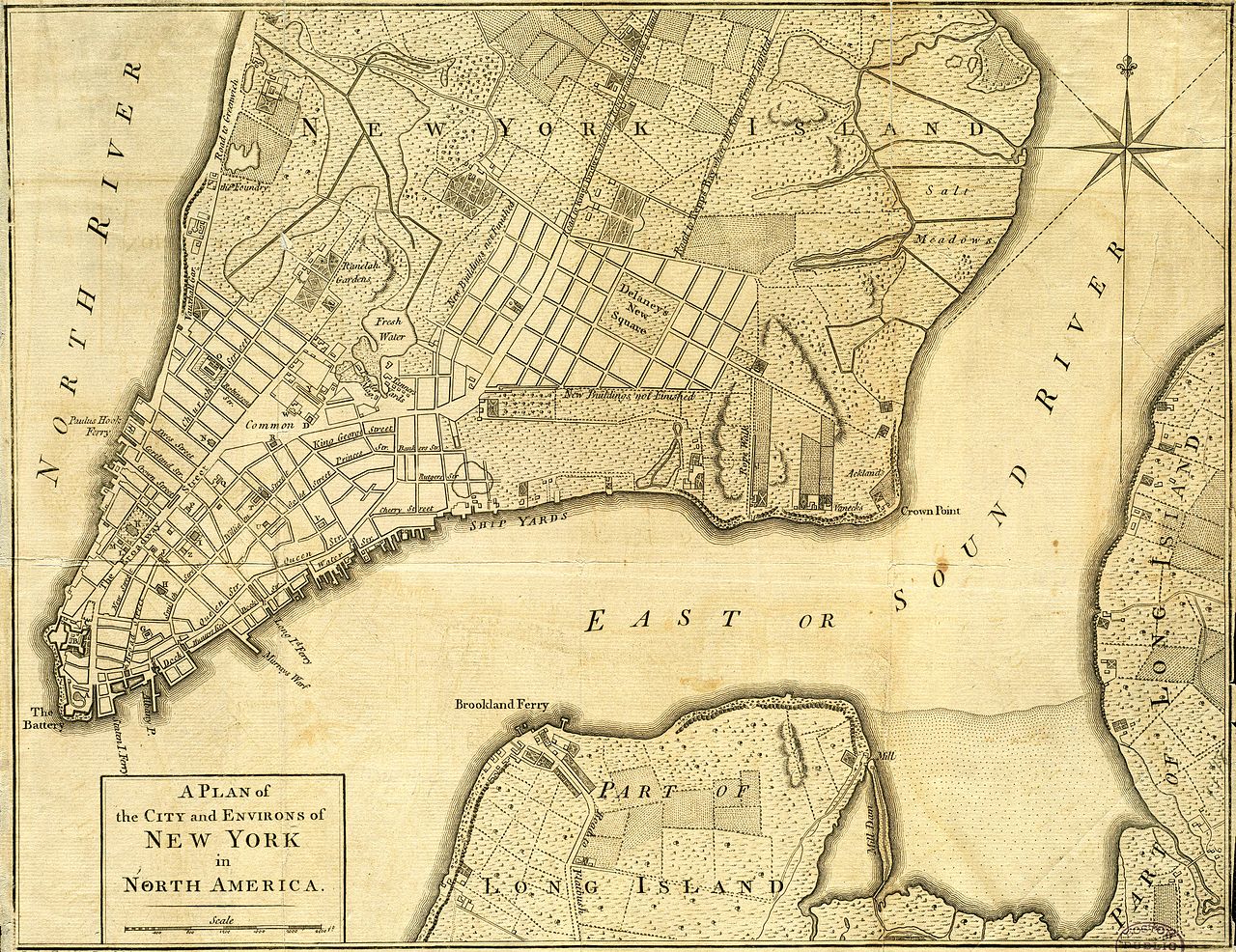
The Bowery is both a street and a compact neighborhood on the southern edge of Manhattan. Originally a broad road linking lower Manhattan to outlying farms, the name derives from the Dutch word bouwerij, meaning "farm." The Bowery has long served as a transitional band between established districts: it lies adjacent to the borough of Manhattan's dense urban core and forms borders with several distinct neighborhoods.
Image gallery
10 Images




Location and character
Today the Bowery sits between the East Village to the north and Canal Street and Chinatown to the south. To the east it meets Allen Street and the Lower East Side, while Little Italy lies to the west. As both a thoroughfare and a neighborhood, it mixes commercial storefronts, older tenement blocks, cultural venues and newer residential developments. The street itself has long been a corridor for commerce and transit, with shops, performance spaces and service institutions lining its length.
Historical development
In the colonial period the Bowery began as farmland and a country lane, reflecting Dutch settlement patterns. During the 19th century it became an entertainment and commercial strip, with theaters, music halls and hotels serving a growing urban population. Waves of immigration altered the social fabric—particularly the arrival of many Irish immigrants in the mid-19th century after the Great Irish Famine, which reshaped residential and religious life in the area. In the 20th century parts of the Bowery declined into inexpensive lodging houses and shelters, giving the name a long association with poverty and homelessness.
Cultural renewal and landmarks
From the late 20th century onward the Bowery has been a focal point of cultural change. Artists, galleries and new institutions moved in, and older commercial buildings were repurposed. Notable sites include historic bank and theater buildings, music venues and social-service organizations such as missions serving residents. Major cultural institutions have established a presence as part of broader neighborhood transformation, bringing new restaurants, galleries and residential projects.
Notable features and distinctions
- The name reflects Dutch colonial origins: bouwerij = farm.
- It functions as a boundary and connector between the East Village, Lower East Side, Chinatown and Little Italy.
- Over time it has shifted roles—from rural lane to entertainment district, to a center of poverty and social services, and into a mixed, gentrifying urban corridor.
Importance and contemporary issues
The Bowery remains significant for its layered history and ongoing debates about preservation, affordable housing and cultural identity. Redevelopment has brought economic investment and controversy over displacement and the fate of long-standing social services. As a short but historically rich stretch of Manhattan, the Bowery encapsulates many larger themes of urban change in New York City.
For more detailed information about geography, institutions and cultural programs connected to the Bowery, consult local histories and current neighborhood guides.
Related articles
Author
AlegsaOnline.com Bowery (Manhattan street and neighborhood) Leandro Alegsa
URL: https://en.alegsaonline.com/art/13454