
Submarine volcanoes — undersea volcanic systems
Volcanoes that erupt below the ocean surface. Covers how they form, typical structures (seamounts and guyots), eruption behavior under pressure, hydrothermal vents, ecological importance, and how scientists study them.
Overview
A submarine volcano is any volcanic vent, cone, fissure or mountain that lies below the surface of an ocean. Many of these features are hidden beneath deep water yet are among the most numerous volcanic systems on Earth. For a general introduction, see submarine volcano resources.
Image gallery
6 Images


Formation and common forms
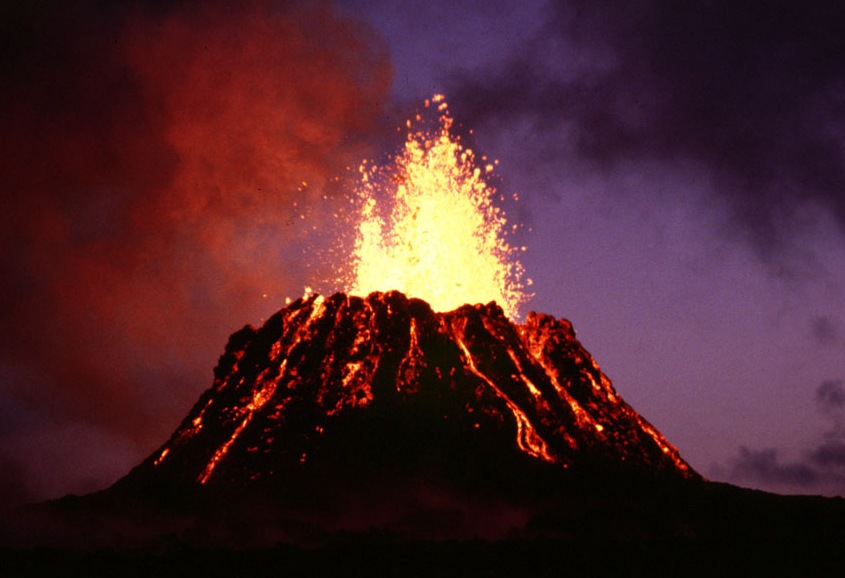
Submarine volcanoes form where molten rock rises through fractures and thin zones in the oceanic crust. They occur along spreading ridges, at subduction-related volcanic arcs and above mantle hotspots. Rising magma builds relief on the seafloor and can produce a range of shapes, including steep-sided cones and broad underwater mountains. Many grow into seamounts or, if later planed by erosion near sea level, into flat-topped guyots.
Characteristics of submarine eruptions
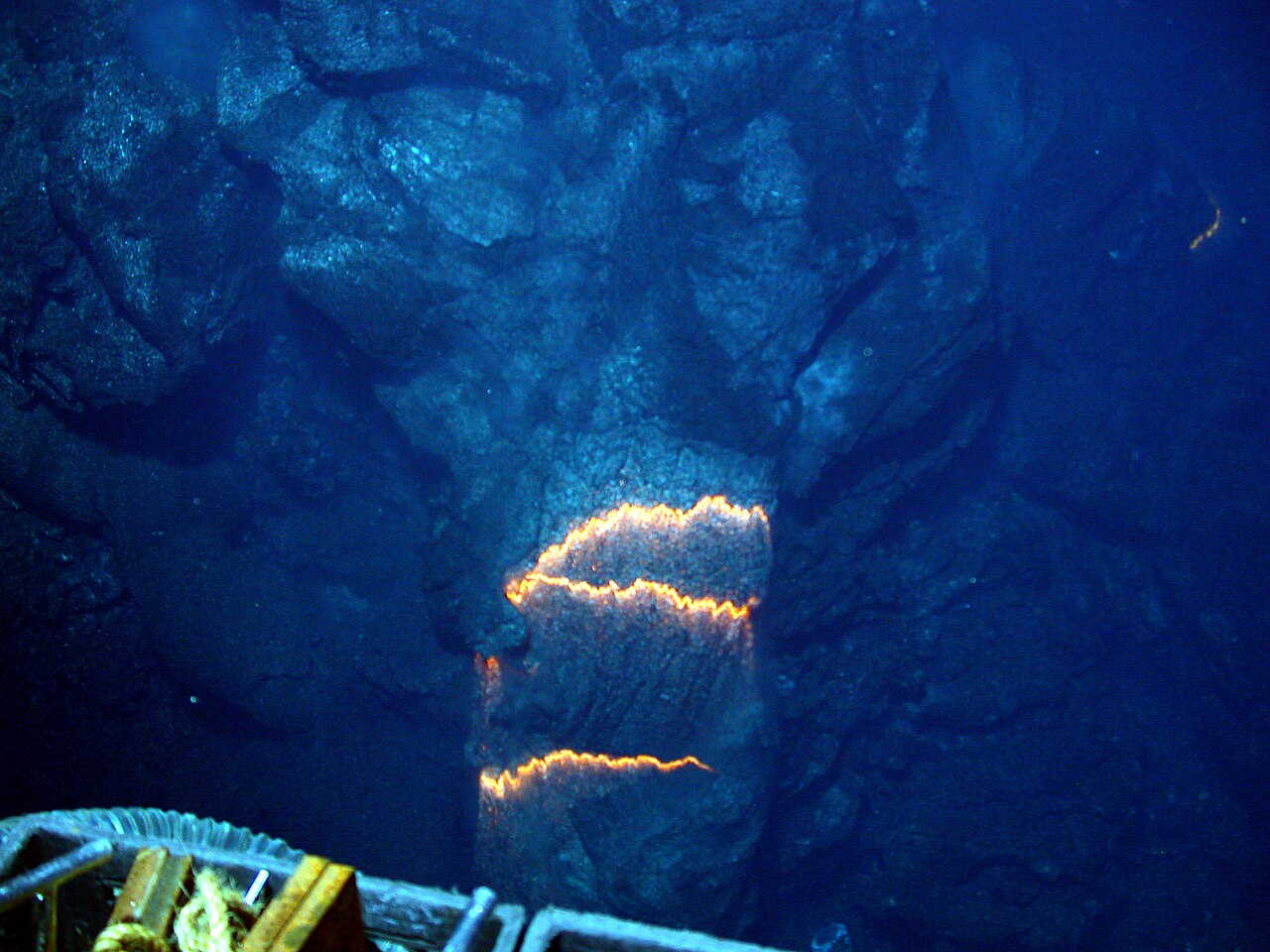
Water pressure and rapid cooling strongly influence underwater eruptions. Lava typically quenches quickly to form dense, bulbous pillow lavas and creates glassy margins; explosive activity is suppressed at great depth but can occur in shallow water where steam and magma interact. Hydrothermal circulation commonly develops around eruptive centers, producing mineral-rich vent fluids and chimney structures.
Ecological and geological importance
- Hydrothermal vents host chemosynthetic communities that rely on chemical energy rather than sunlight.
- Mineral deposits precipitated around vents concentrate metals and sulfides of economic interest.
- Repeated eruptions can build islands if lava accumulates above sea level.
How scientists study them
Because they are underwater, submarine volcanoes are mapped and monitored using multibeam sonar, seismic networks, and direct observation by manned submersibles and remotely operated vehicles. Samples and imagery collected by these platforms help researchers understand eruptive styles, rock types and the interactions between magma and seawater. Remote sensing and oceanographic surveys provide regional context and help locate active sites (tectonic features).
Notable distinctions and facts
Submarine volcanism differs from subaerial volcanism mainly in how water modifies eruption dynamics and cooling. While deep eruptions tend to be effusive and glassy, shallow submarine eruptions can be explosive and generate distinctive deposits. For further reading on specific undersea volcanoes and seafloor features, consult specialized databases and research portals (overview, seamount list, guyot studies, magma processes, tectonics).
Questions and answers
Q: What are submarine volcanoes?
A: Submarine volcanoes are volcanoes that occur under the surface of the world's oceans.
Q: What do submarine volcanoes create?
A: Many submarine volcanoes create cone-shaped seamounts or flat-topped guyots.
Q: How do volcanoes in the ocean develop?
A: Volcanoes in the ocean develop from cracks or holes in the earth's undersea surface.
Q: What causes changes in the ocean floor in relation to submarine volcanoes?
A: Changes in the ocean floor are caused when magma flows or erupts from a site which is under water.
Q: How does the presence of water affect the characteristics of a volcanic eruption?
A: The presence of water alters the characteristics of a volcanic eruption.
Q: Where can submarine volcanoes occur?
A: Submarine volcanoes can occur anywhere under the surface of the world's oceans.
Q: What forms can submarine volcanoes take?
A: Submarine volcanoes can take a range of forms, including cone-shaped seamounts or flat-topped guyots.
Related articles
Author
AlegsaOnline.com Submarine volcanoes — undersea volcanic systems Leandro Alegsa
URL: https://en.alegsaonline.com/art/94494
Sources
- britannica.com : "Submarine volcano"
- noaanews.noaa.gov : "Scientists Discover and Image Explosive Deep-Ocean Volcano,"