
Subtropical cyclone: hybrid low-pressure weather system
An explanation of subtropical cyclones: their structure, formation, differences from tropical and extratropical cyclones, impacts, and forecasting challenges.
Overview
A subtropical cyclone is a low-pressure system with characteristics of both tropical and extratropical cyclones. It typically forms over subtropical waters and exhibits a broad wind field with the strongest winds located well away from the center. Subtropical cyclones derive energy from a mix of atmospheric temperature contrasts and some latent heat release, which makes their structure intermediate between warm-core tropical systems and cold-core midlatitude storms.
Image gallery
10 Images


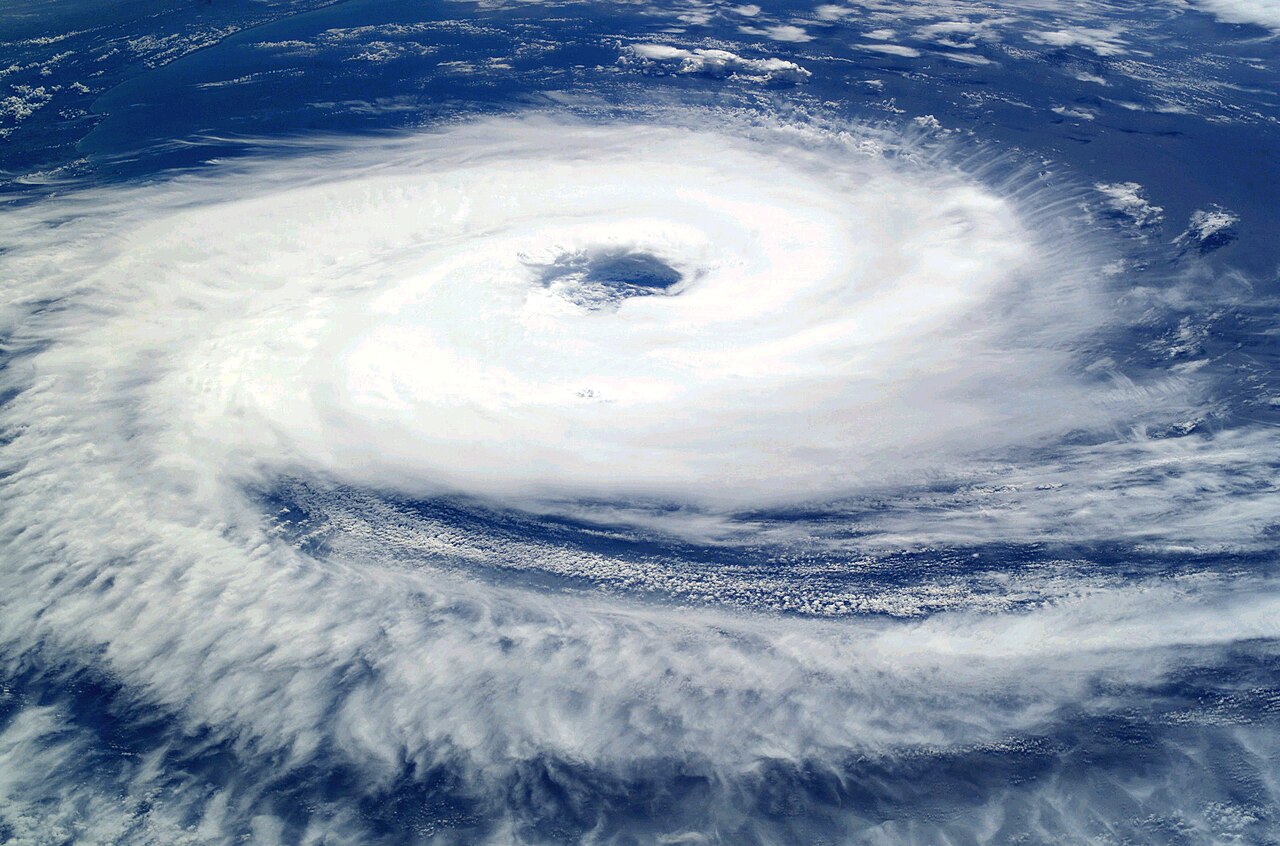


Structure and distinguishing features
These systems often show asymmetric cloud and wind patterns. Unlike compact tropical cyclones, a subtropical cyclone's maximum sustained winds are usually found at a considerable radius from the center rather than in a tight eyewall. The vertical temperature profile can be cold or only partially warm in the mid-levels, and deep organized convection may be intermittent. Because of these traits, subtropical cyclones can be harder to classify with standard tropical metrics.
Formation and life cycle
Subtropical cyclones commonly form from decaying frontal boundaries, upper-level troughs, or the remnants of other systems in the subtropics. They are more likely during transition seasons (spring and autumn) but can occur at other times. Under favorable conditions—sufficient sea surface temperatures and reduced wind shear—some subtropical cyclones can acquire more centralized convection and evolve into fully tropical cyclones; conversely, tropical systems moving into cooler waters may lose tropical characteristics and become subtropical.
Impacts, forecasting and classification
Impacts include strong, damaging winds over a broad area, heavy rainfall, coastal flooding and rough seas. Forecasting subtropical cyclones requires careful analysis of satellite imagery, surface observations and upper-air data because their hybrid nature affects intensity and track predictions. Meteorological agencies may label systems as subtropical depressions or subtropical storms and, in some regions, issue advisories or names.
Notable distinctions and resources
- Energy source: mixed baroclinic processes and latent heat vs predominantly latent heat for tropical cyclones.
- Wind distribution: broader and asymmetric compared with tropical cyclones.
- Evolution: can transition to or from tropical status.
For technical guides and operational definitions consult meteorological agencies and research summaries: official guidance and observational datasets at regional centers.
Related articles
Author
AlegsaOnline.com Subtropical cyclone: hybrid low-pressure weather system Leandro Alegsa
URL: https://en.alegsaonline.com/art/94535
Sources
- nhc.noaa.gov : Glossary of NHC terms.
- nhc.noaa.gov : Subtropical Storm One Public Advisory from 2001.
- nhc.noaa.gov : Unnamed Subtropical Storm.
- ofcm.gov : Interdepartmental Hurricane Conference