
Subtropical ridge (subtropical high-pressure belt)
A persistent belt of high atmospheric pressure near 30° latitude in each hemisphere that shapes trade winds, westerlies, dry climates and tropical cyclone tracks.
The subtropical ridge is a broad, semi-permanent band of high atmospheric pressure found near 30° north and south latitude. It results from large‑scale atmospheric circulation and subsidence of dry air, producing generally stable conditions. The location and strength of the ridge vary seasonally and geographically, but its presence strongly influences regional climates and wind systems.
Image gallery
3 Images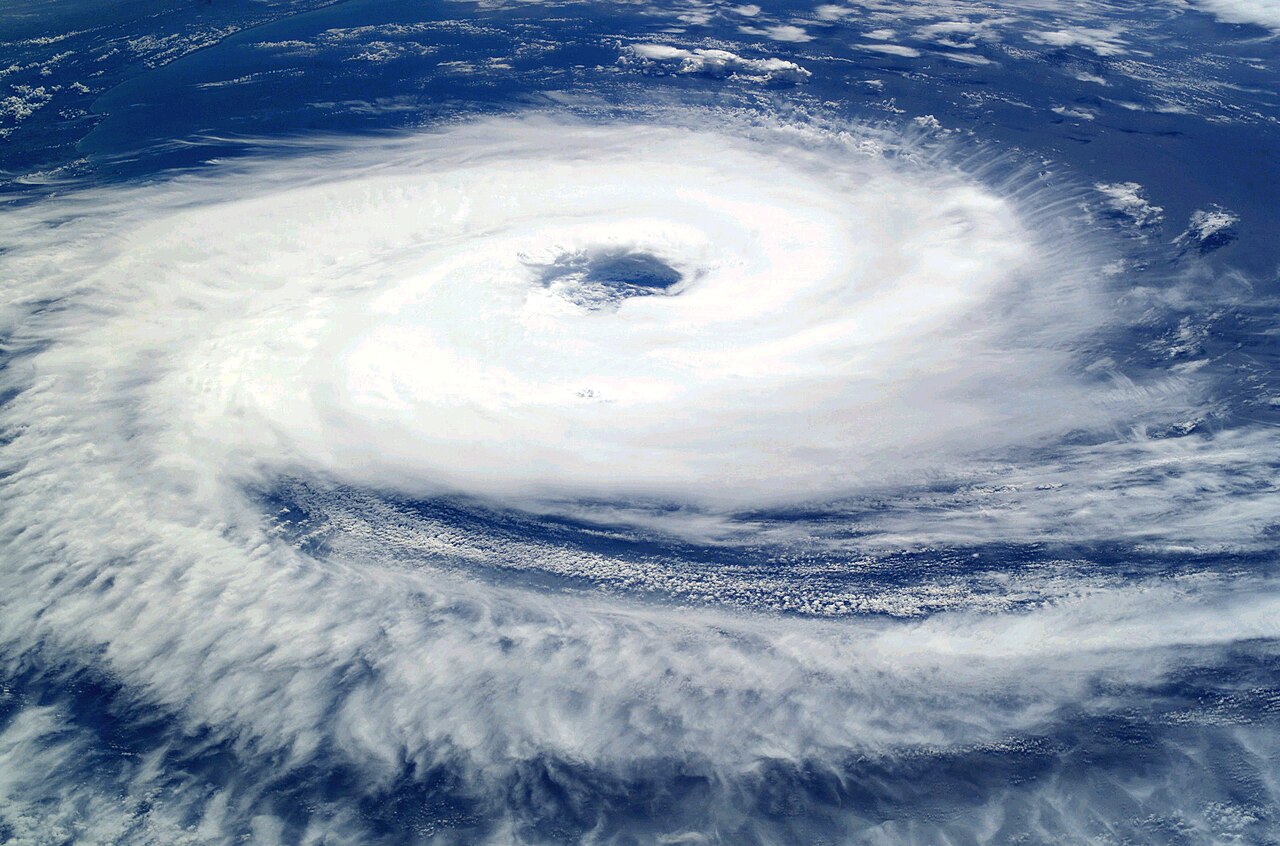
How it forms and its structure
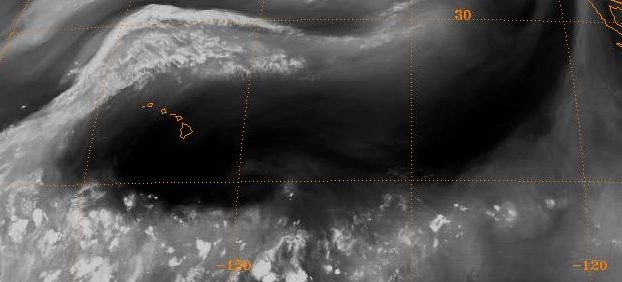
The ridge is a surface expression of descending motion in the Hadley circulation. Warm air rises in the tropics, flows poleward aloft, cools and descends in subtropical latitudes. This subsidence creates a high‑pressure region with relatively weak surface winds and a shallow layer of warm, dry air. The feature often appears as a contiguous belt encircling the globe, but it can break into discrete high‑pressure centers over oceans and continents.
Characteristics and effects
- Wind patterns: Air flows outward from the ridge toward the equator and the midlatitudes, helping establish the trade winds and the westerlies.
- Dry conditions: Subsidence suppresses cloud formation, contributing to deserts and arid climates beneath or poleward of the ridge.
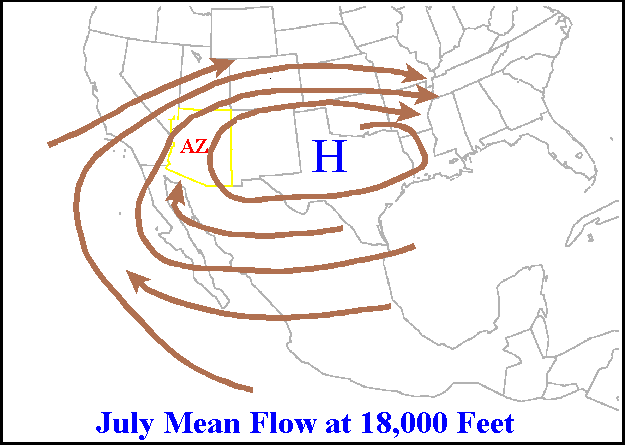
- Storm steering: The ridge acts as a steering flow for tropical cyclones and midlatitude systems; its position can guide storms toward or away from land.
Named centers of the subtropical ridge include the Azores or Bermuda High in the North Atlantic and the Pacific High in the North Pacific. Over land, continental heating and seasonal shifts can strengthen or displace these highs, modifying regional weather patterns such as monsoon onset and summer heat waves.
Seasonal variability and examples
The ridge shifts poleward in summer and equatorward in winter, altering precipitation belts and storm tracks. When the ridge is anomalously strong and persistent, it can produce prolonged heat or drought; when weak or displaced, it allows more frequent frontal systems and rainfall. Regions under a persistent subtropical ridge are prone to stable, sun‑filled summers and scarce winter precipitation.
Notable distinctions and importance
Although often described as a continuous band near 30° latitude, the subtropical ridge is a dynamic feature influenced by sea surface temperatures, planetary waves, and tropical variability such as ENSO. Its study is important for seasonal forecasting, tropical cyclone prediction, and understanding the distribution of world's dry climates.
Related articles
Author
AlegsaOnline.com Subtropical ridge (subtropical high-pressure belt) Leandro Alegsa
URL: https://en.alegsaonline.com/art/94536