
Drainage: Principles, Types, History, and Environmental Considerations
Removal of excess surface and subsurface water by natural or engineered means; covers types, components, history, applications in agriculture and urban areas, and environmental impacts.
Drainage is the process by which surplus surface water and groundwater are removed from a landscape, structure, or soil profile. It occurs naturally via rivers, streams, and runoff, and artificially through engineered systems such as ditches, pipes, tile drains and storm sewers. Well-designed drainage prevents waterlogging, improves soil aeration, protects infrastructure, and reduces the risk of crop failure.
Image gallery
7 Images


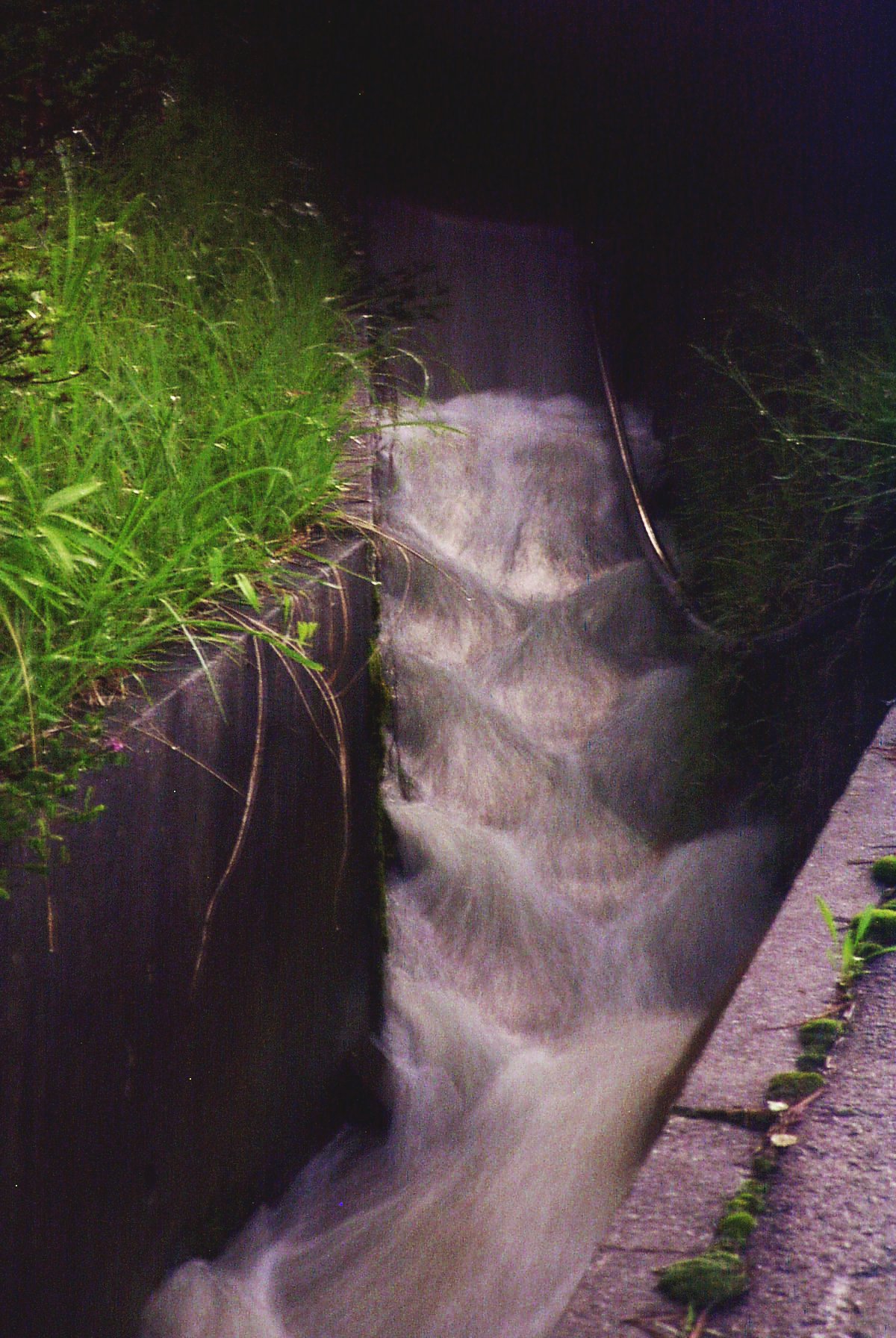
Types and components
Major forms of drainage include surface drainage, which conveys overland flow to channels or inlets; subsurface drainage, which uses buried pipes or tiles to lower the water table; and urban stormwater drainage, which routes rainfall away from streets and buildings. Typical components of engineered systems are inlets, conveyance elements (channels, pipes or culverts), storage/retention facilities and outlets. Maintenance elements—cleanouts, grates and inspection chambers—help keep systems functional.
History and development
Humans have modified landscapes to remove water for millennia: ancient irrigation and canal systems incorporated drainage to protect cultivated land. In many regions the systematic installation of field drains and tile systems expanded in the 18th and 19th centuries, driven by agricultural intensification and land reclamation. Urban drainage evolved with industrialization to manage larger impermeable surfaces and protect public health.
Uses and examples
- Agricultural drainage: tile drains and mole drains lower shallow groundwater to improve root-zone conditions and increase arable land.
- Urban drainage: gutters, storm sewers and detention basins reduce street flooding and protect buildings.
- Infrastructure protection: road subgrade and building foundation drainage extend service life by preventing moisture damage.
- Environmental remediation: controlled drainage and constructed wetlands can treat nutrient-laden runoff before it leaves a site.
For technical guidance on design and practice see official design manuals and for agricultural methods consult extension resources such as regional agronomy guides.
Environmental and social considerations
Drainage alters hydrology and can have unintended consequences: it may accelerate downstream flows, reduce wetland extent, mobilize nutrients and sediments, or change habitat. Modern practice aims to balance drainage objectives with ecosystem protection using measures such as controlled drainage, buffer strips, retention basins and sustainable drainage systems (SuDS). Appropriate siting, maintenance and integrated watershed planning are important to minimize negative impacts while delivering the benefits of effective water management.


See also
- drained mire
- Pumping station
- Water management
- Modified drainage system
Norm data (subject term): GND: 4152427-5
Related articles
Author
AlegsaOnline.com Drainage: Principles, Types, History, and Environmental Considerations Leandro Alegsa
URL: https://en.alegsaonline.com/art/28862