
Zeno of Citium — founder of Stoic philosophy
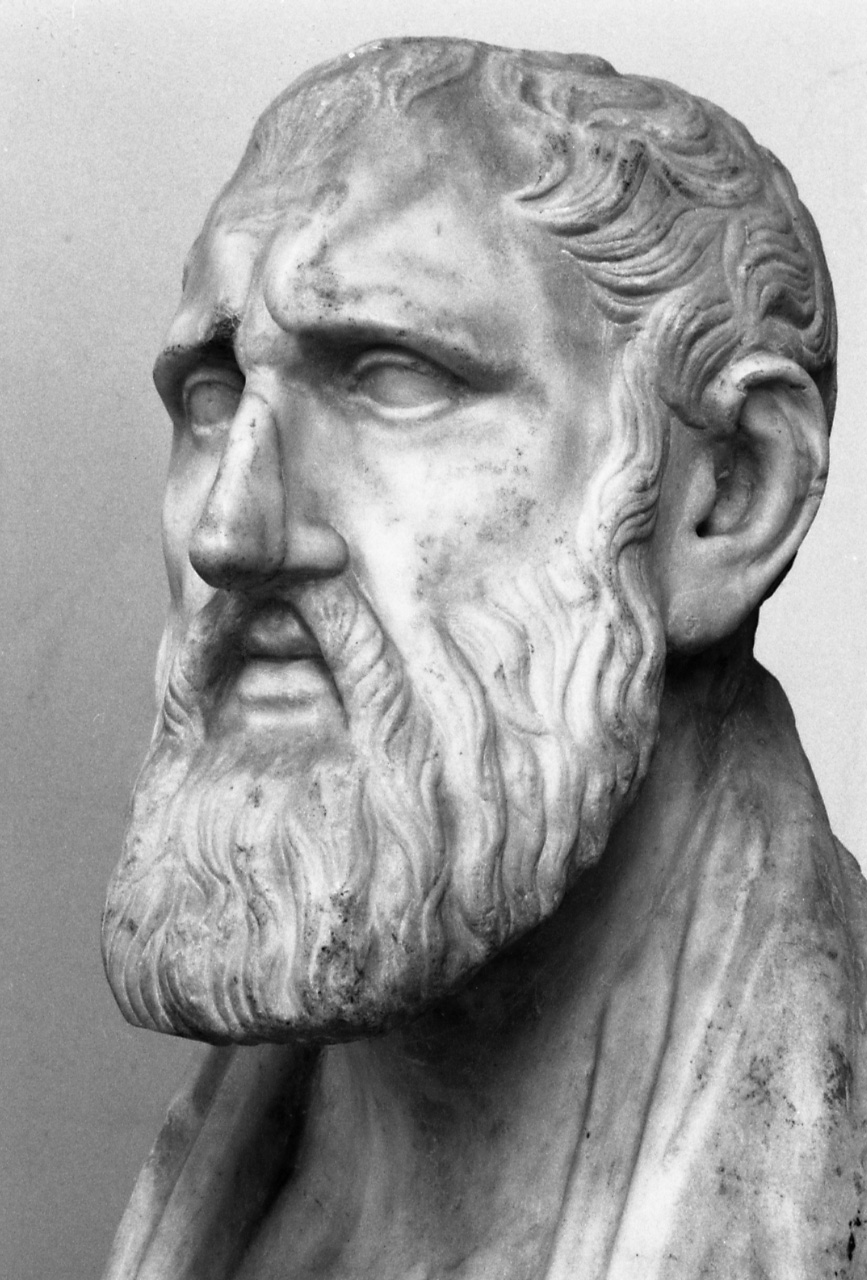
Greek philosopher Zeno of Citium (c.334–c.264 BC) founded Stoicism in Athens. His teachings emphasized virtue, rational self-control, and living according to nature; his school shaped Hellenistic and Roman thought.
Overview
Zeno of Citium (born in Citium, Cyprus, in the early fourth century BC) is credited with founding the Stoic school of philosophy in Athens. Teaching from a public colonnade known as the Stoa Poikile (the "Painted Porch"), he set out a systematic approach to ethics, logic and natural philosophy that became one of the major Hellenistic movements.
Image gallery
6 Images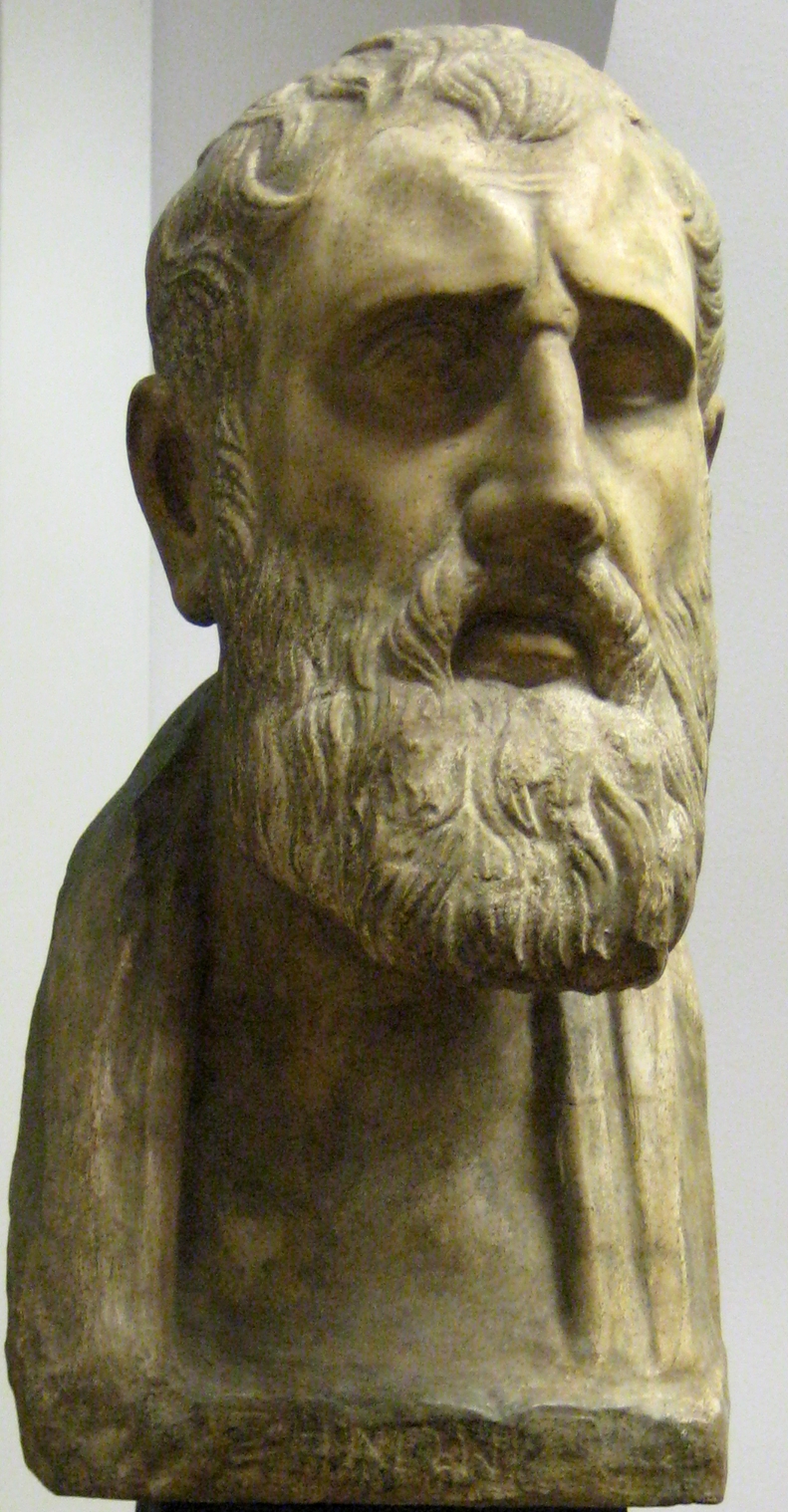



Education and influences
Ancient reports say Zeno studied with Cynic teachers and was particularly associated with Crates of Thebes; modern accounts treat these links as important influences rather than simple continuations. He also drew on Socratic ethical concerns and the broader intellectual currents of his time, adapting earlier ideas into a distinctive Stoic framework.
Core teachings
At the center of Zeno's thought is the claim that virtue—understood as wisdom and right action—is the only true good, and that a life lived according to reason and nature leads to inner freedom. Stoic practice aims at apatheia (freedom from destructive passions) and clear judgment about what is within our control.
- Three disciplines: logic (thought and argument), physics (nature and fate), and ethics (how to live).
- Focus on assent, self-examination, and aligning desires with what is natural and rational.
- Practical techniques included role models, premeditation of hardship, and evaluating impressions.
Development and legacy
Zeno's direct successors, including Cleanthes and Chrysippus, developed the school into a rigorous system that dominated Hellenistic philosophy and later influenced Roman thinkers such as Seneca, Epictetus and Marcus Aurelius. Stoicism's emphasis on resilience and moral autonomy has left a long intellectual legacy and continues to inform contemporary ethics and self-help discourse.
Distinctions and notable facts
Stoicism differed from Cynicism by remaining more systematic and socially engaged, and from Epicureanism by valuing virtue instead of pleasure as the supreme good. Zeno's instruction is known mainly through later summaries, but his foundation of a practical, rational ethical program marks him as a central figure in ancient philosophy. For further historical context see Crates of Thebes and related accounts.
Related articles
Author
AlegsaOnline.com Zeno of Citium — founder of Stoic philosophy Leandro Alegsa
URL: https://en.alegsaonline.com/art/110507