
Summa Theologica
A 13th-century systematic synthesis of Christian theology by Thomas Aquinas that became a central text of scholasticism and Catholic doctrine, notable for its method and lasting influence.
Overview
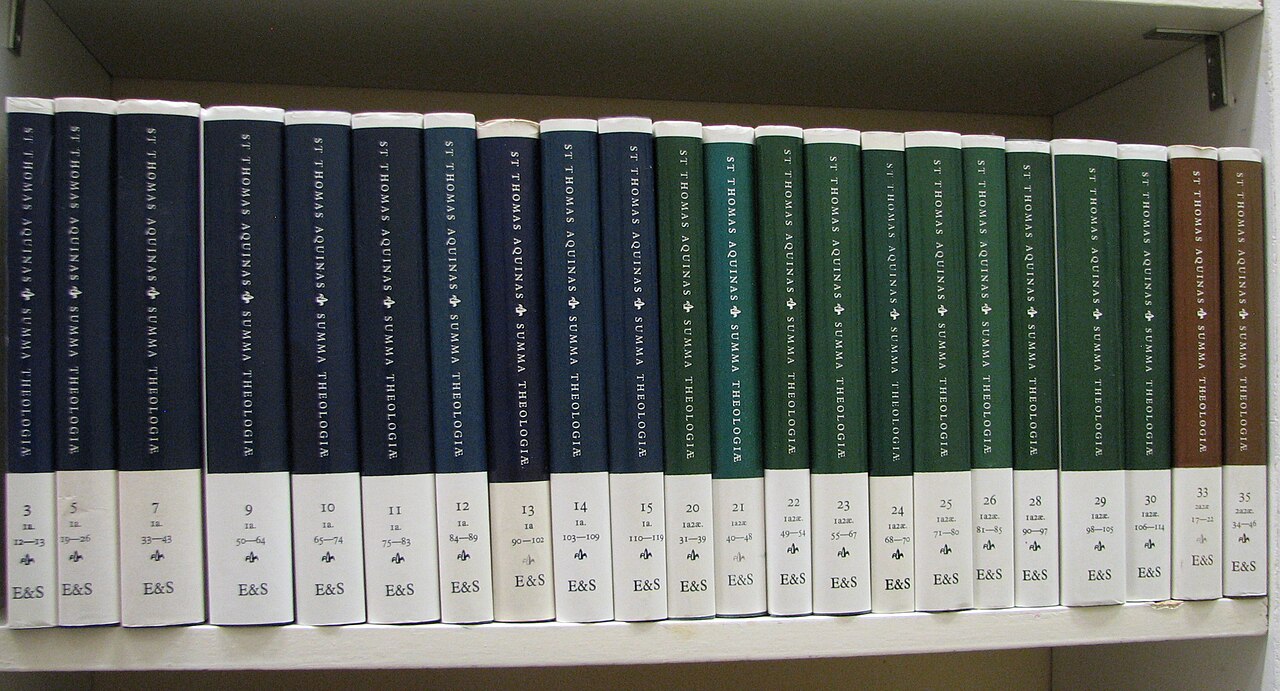
Summa Theologica is a comprehensive theological manual composed in the mid-13th century by Thomas Aquinas. Intended as a teaching text for students of theology, it presents a wide-ranging synthesis of Christian doctrine with philosophical reasoning, especially drawing on Aristotelian concepts filtered through the medieval Scholastic method.
Image gallery
9 Images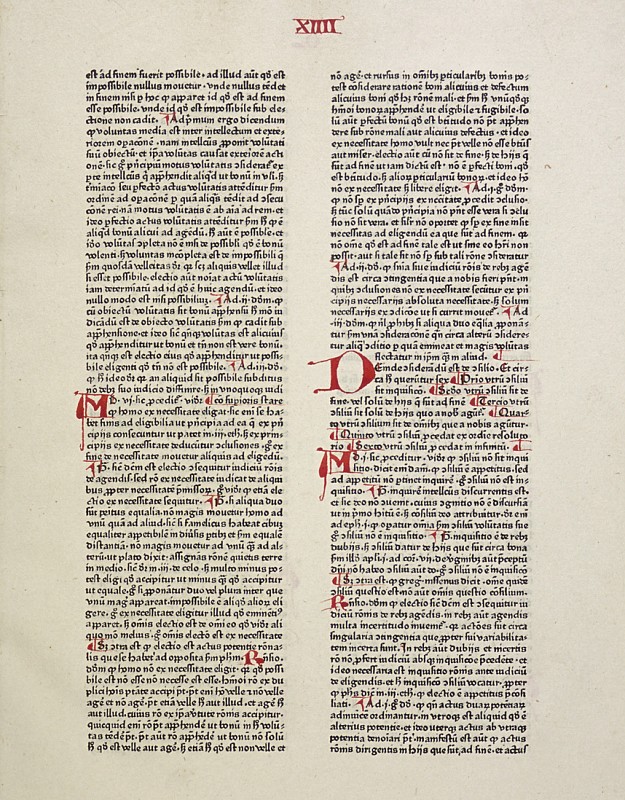



Structure and method
The work is organized into large divisions traditionally called the Prima Pars, the Secundae (often split into Prima Secundae and Secunda Secundae), and the Tertia Pars. Each section is built from a sequence of quaestiones (questions) and articuli (articles) that follow a set pattern: objections are stated, a contrary authority is cited (sed contra), Aquinas offers a concise answer (respondeo), and then he replies to the initial objections. This format exemplifies the scholastic disputational style associated with Scholasticism.
Contents and emphases
The Prima Pars treats God, creation, angels and the nature of man. The Secundae deals with moral theology, virtues, law and grace. The Tertia centers on Christ and the sacraments. Across these topics Aquinas seeks to reconcile revealed theology with reasoned argument, often engaging patristic sources such as Augustine of Hippo and theological authorities like Peter Lombard.
History and composition
Composed in the 1200s, the Summa remained incomplete at Aquinas's death in 1274. Later medieval editors and followers produced summaries and supplements to finish topics the author had left unfinished. The text circulated widely in manuscript and then in printed editions, becoming a core reference for universities and religious houses.
Reception and importance
From the late Middle Ages onward the Summa shaped Catholic theology and the school of thought known as Thomism. It has been heavily commented upon, translated into many languages, and retained an educational role in seminaries. Its influence extends into ethics, natural law theory, and the broader history of philosophy.
Notable features and legacy
Besides its systematic scope, the Summa is notable for its disciplined method of argument, its integration of reason and faith, and its pedagogical aim. It remains a primary source for understanding medieval theology and the medieval intellectual effort to integrate ancient philosophy with Christian doctrine.
- Format: questions, articles, objections, replies
- Main themes: God, creation, morality, Christ, sacraments
- Legacy: foundation of Thomist study and ongoing theological reference
Related articles
Author
AlegsaOnline.com Summa Theologica Leandro Alegsa
URL: https://en.alegsaonline.com/art/94778