
Tai chi chuan (Tàijíquán): Chinese internal martial art and health practice
Tai chi chuan (Tàijíquán) is a Chinese internal martial art combining slow, flowing movements, breath control, and meditation; practiced for self‑defense, balance, flexibility, and wellbeing.
Overview
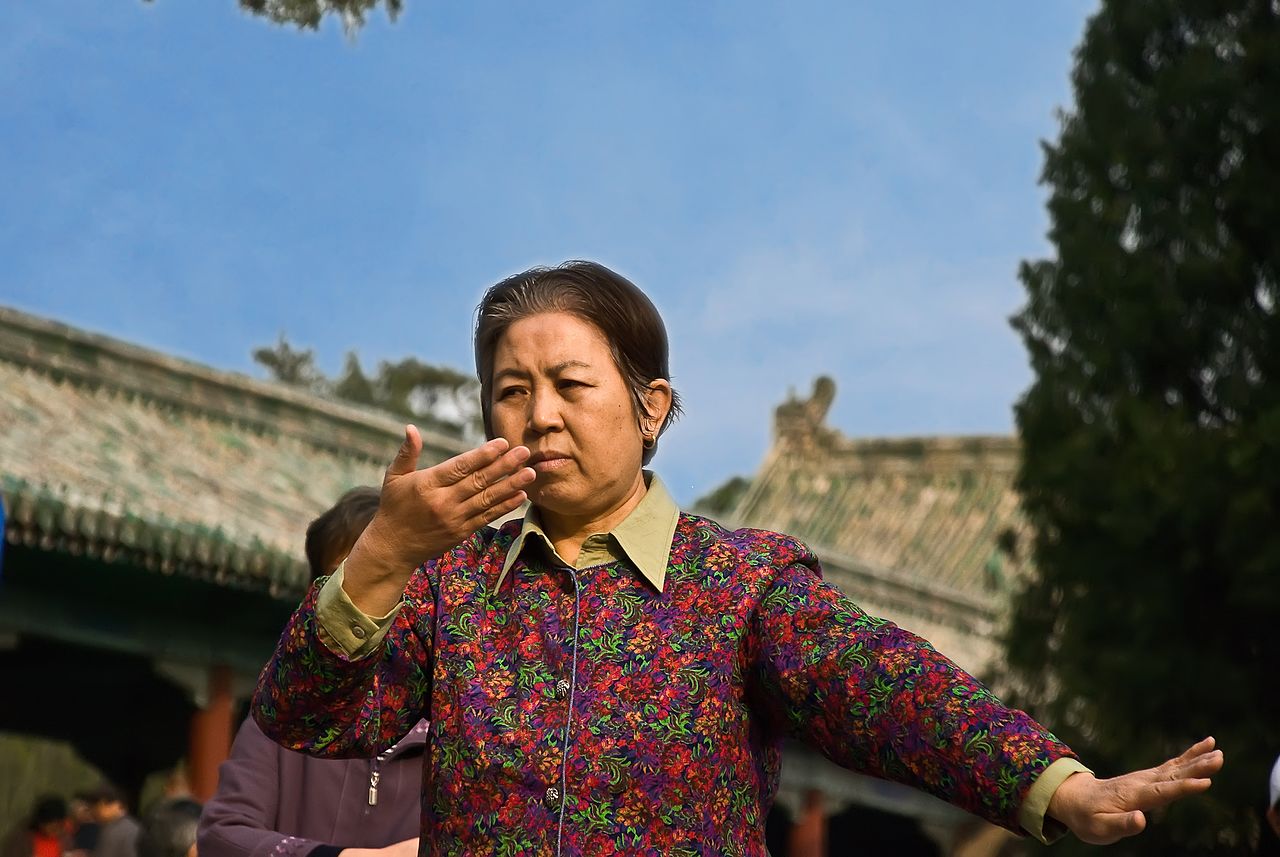
Tai chi chuan, commonly written in Chinese characters as 太极拳 (simplified) and 太極拳 (traditional), and pronounced tàijíquán, is an internal Chinese martial art. The name is often translated as "Supreme Ultimate Fist" and it blends martial technique with breathing, posture, and mindful attention. Practice ranges from slow, meditative solo sequences to dynamic partner exercises designed to develop sensitivity and balance.
Image gallery
10 Images




Principles and practice
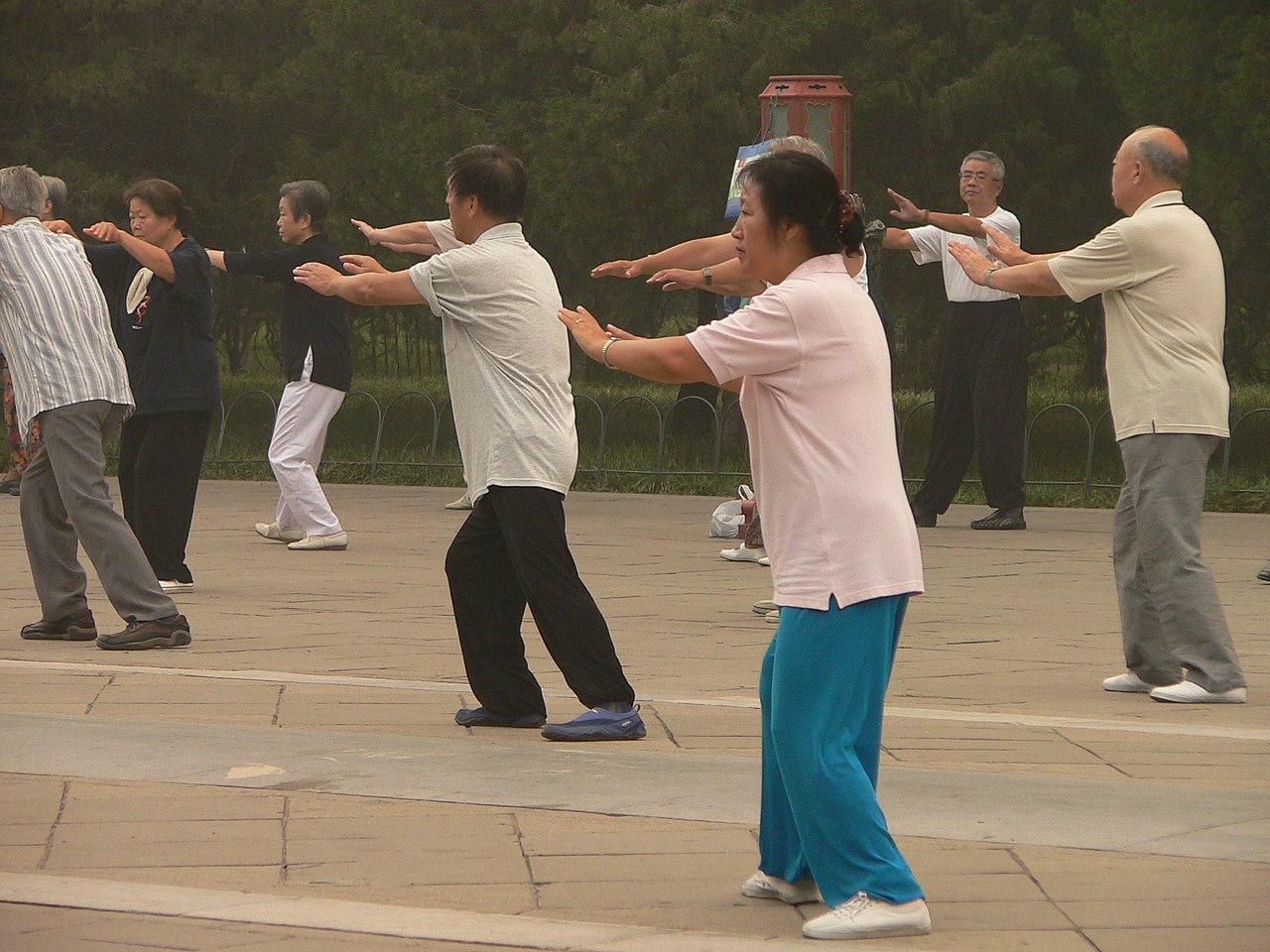
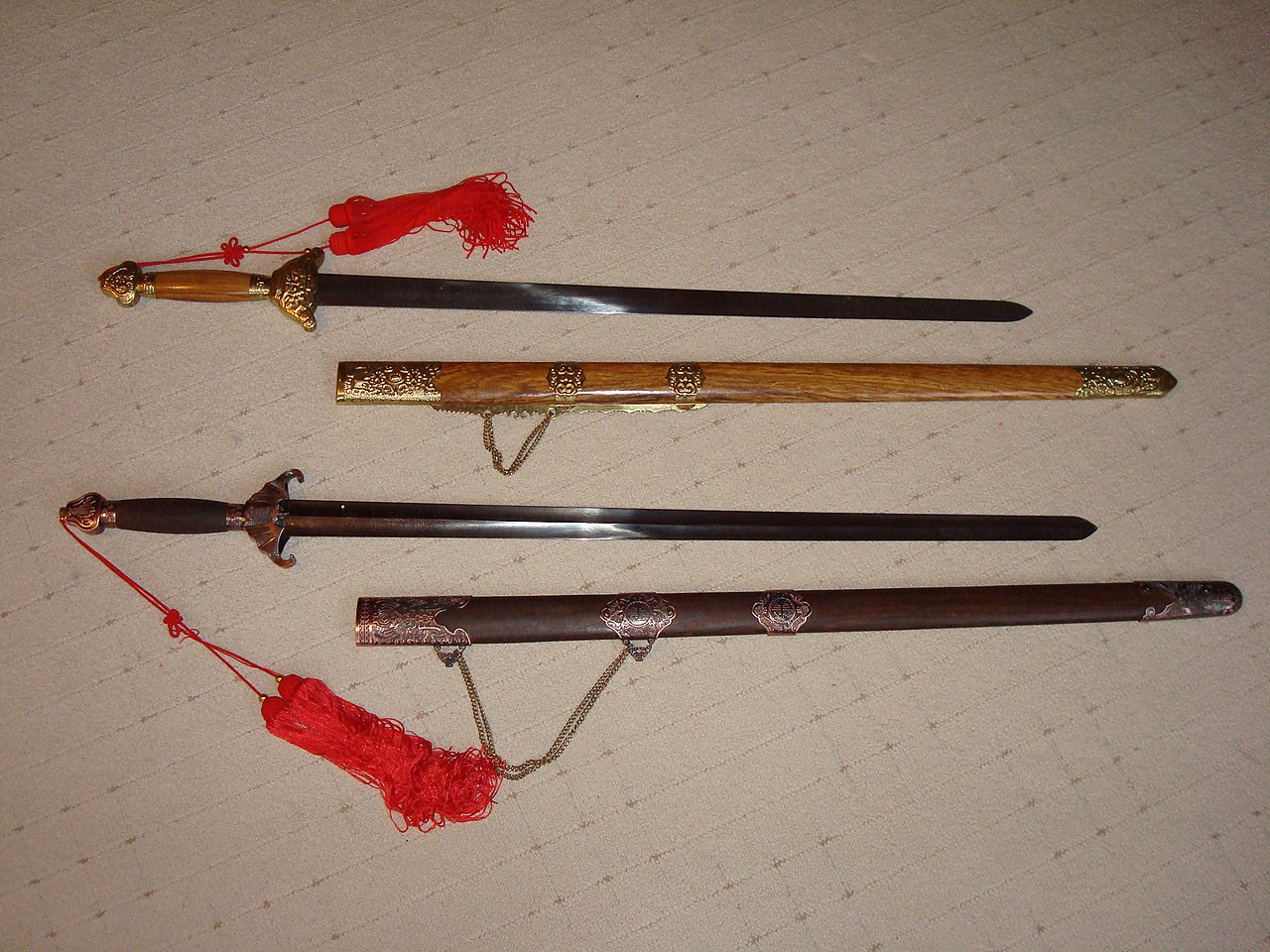
At its core tai chi emphasizes relaxed power, continuous motion, and harmonic alignment of body and mind. As an internal martial discipline it prioritizes torso rotation, coordinated breath, and the soft redirection of force rather than explosive strength. Training typically includes form practice (set sequences of movements), push‑hands drills for two practitioners, and sometimes weapons forms such as the spear or sword.
Styles and characteristics
- Chen – the oldest surviving family style, combining slow motions with occasional spirals and bursts.
- Yang – widespread, characterized by large, even, flowing movements and a gentle tempo.
- Wu (Hao) and Wu – smaller frame approaches emphasizing compact structure and subtle weight shifts.
- Sun – integrates footwork from other arts and is known for nimble stepping.
History and development
Modern tai chi evolved over several centuries in China, with family traditions passing down forms and training methods. While popular accounts sometimes attribute its origins to legendary martial artists, historians trace its codification to rural communities and family lineages where combat techniques were adapted into healthful exercises. In the 20th century, tai chi spread beyond China and diversified into public teaching, performance, and competitive formats.
Health, uses, and examples
Many people practice tai chi for health and rehabilitation reasons: it is associated with improved balance, joint mobility, coordination, and stress reduction. Its low‑impact, weight‑shifting movements make it accessible to older adults and those recovering from injury. In addition to wellness, tai chi remains a functional martial art system with applications in self‑defense and partner sensitivity drills.
Notable facts and distinctions
Unlike purely athletic disciplines, tai chi blends aesthetic forms, practical technique, and meditative attention. Teachers may emphasize different goals—martial effectiveness, health promotion, or spiritual cultivation—so learning paths vary. Research and public health initiatives have increased interest in tai chi's therapeutic potential and community programs often promote it as a low‑cost, low‑risk activity with broad appeal. For resources on terminology, practice, and research, see introductory materials and reputable organizations focused on its history and health benefits.
For readers seeking original Chinese script, pronunciation guides, training methods, or competitive formats, consult authoritative sources and qualified instructors. Traditional practice remains alive both in China and globally, adapting to contemporary needs while retaining core principles of softness, balance, and mindful movement.
Questions and answers
Q: What is Tai Chi Chuan?
A: Tai Chi Chuan is an internal Chinese martial art which is practiced for both its defense training and health benefits.
Q: What are the other names of Tai Chi Chuan?
A: Other names of Tai Chi Chuan include "Supreme Ultimate Fist" and "tàijíquán".
Q: What are the benefits of practicing Tai Chi Chuan?
A: Practicing Tai Chi Chuan has both defense training and health benefits.
Q: How do you write 'Tai Chi Chuan' in simplified Chinese?
A: In simplified Chinese, 'Tai Chi Chuan' is written as 太极拳.
Q: How do you write 'Tai Chi Chuan' in traditional Chinese?
A: In traditional Chinese, 'Tai Chi Chuan' is written as 太極拳.
Q: How do you write 'Tai Chi Chuan' in pinyin?
A: In pinyin, 'Tai chi chuam' is written as tàijíquán; t'ai4 chi2 ch'üan2.
Related articles
Author
AlegsaOnline.com Tai chi chuan (Tàijíquán): Chinese internal martial art and health practice Leandro Alegsa
URL: https://en.alegsaonline.com/art/95908
Sources
- taijiquanjournal.com : "Taijiquan Journal"
- worldcat.org : 1528-6290