
Sublime (philosophy)
The sublime in philosophy names experiences, works, or qualities that inspire awe by exceeding ordinary measures—moral, intellectual, aesthetic, spiritual, or metaphysical greatness distinct from mere beauty.
Overview
The term philosophy of the sublime denotes experiences, qualities, or works that strike observers as exceptionally great. That greatness may be physical, intellectual, metaphysical, aesthetic, spiritual, or artistic. Often the sublime is taken to lie beyond straightforward measurement or imitation: it can overwhelm ordinary aesthetic responses and call for special skills of attention and judgment to perceive and interpret.
Image gallery
6 Images



Characteristics and relation to beauty
Accounts of the sublime tend to contrast it with the merely beautiful. Beauty commonly evokes harmony, proportion and pleasure; the sublime typically involves vastness, intensity, obscurity, or power that overwhelms normal standards of form and taste. Observers commonly report a mixed reaction—admiration together with a sense of smallness or trembling—that can verge on fear but also elicit intellectual or moral uplift. As an aesthetic category, the sublime has sometimes carried a sacred or religious cast, though secular accounts emphasize cognitive and affective components. The distinction between beautiful and sublime has been especially elaborated in Western traditions, even while non‑Western cultures express comparable responses without the same taxonomies.
Early sources: Longinus and classical reception
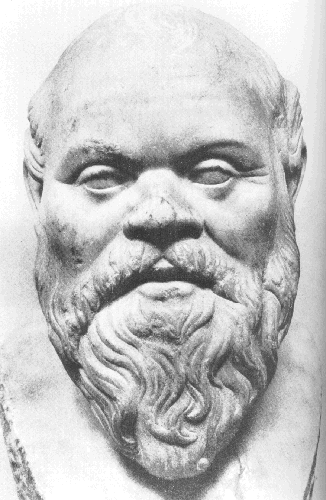
The earliest influential treatment in the European tradition is the work conventionally called On the Sublime, attributed to an author often named Longinus. Written in antiquity and preserved through late classical and medieval manuscript traditions, the treatise applies sublimity especially to elevated language and rhetorical excellence. Longinus, identified in later commentary as a teacher of rhetoric, links sublimity to moral grandeur, imaginative power, and the capacity of discourse to move readers or listeners to veneration. The text remained formative for later thinkers and was revived, translated, and discussed by critics and poets from the early modern period onward.
Developments in the 18th and 19th centuries
In the 18th century the sublime became a central subject in aesthetic theory. Edmund Burke emphasized the emotional impact of obscurity, vastness, and danger: for Burke, terror and astonishment are central to many sublime experiences. Immanuel Kant reconceptualized the sublime in epistemological terms, distinguishing the mathematical sublime (a confrontation with magnitude or infinity) from the dynamical sublime (a recognition of overwhelming natural force) and tying the experience to human rational and moral capacities that transcend mere sensuous representation. Later figures such as Arthur Schopenhauer and G. W. F. Hegel incorporated the sublime into broader metaphysical and aesthetic systems, reading it in relation to will, spirit, and historical consciousness.
Romantic, literary, and modern reception
Romantic poets and dramatists extended sublime themes across literature and the visual arts. Friedrich Schiller drew on ideas of the sublime to examine freedom, moral elevation, and the role of aesthetic education; Victor Hugo and other writers used sublime imagery to amplify social and emotional stakes. In the 20th century and beyond, theorists such as Theodor Adorno and Jean‑François Lyotard rethought the sublime with attention to the limits of representation, the ethical weight of historical catastrophe, and the aesthetic problems posed by modern and postmodern art.
Types, examples, and contemporary relevance
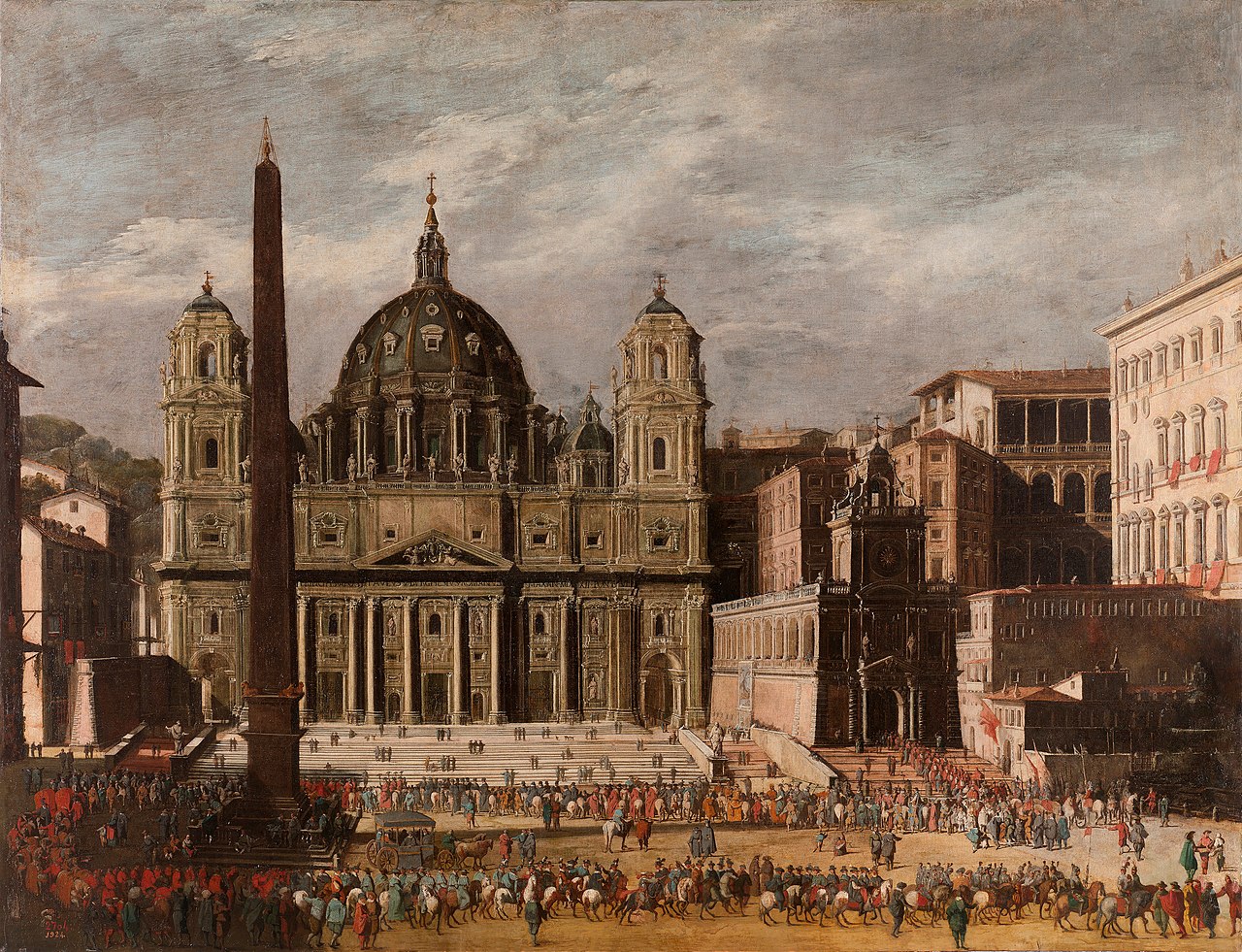
Scholars commonly distinguish kinds of sublime experience that help explain its wide application. Typical types include the mathematical sublime (confronting the infinite or the immeasurable), the dynamical sublime (encountering forces of nature that threaten yet awe), the moral or spiritual sublime (witnessing acts or ideals of great magnitude), and the linguistic or artistic sublime (expressive passages that seem to surpass ordinary resources of form). Examples range from expansive night skies and mountain panoramas to epic poetry, sacred architecture, and singular moral exemplars. In contemporary discussion the concept also appears in analyses of technological spectacle, environmental crisis, and political performance, where scale and affect continue to generate debates about representation, responsibility, and human limits.
The sublime remains a contested and productive notion in aesthetics and cultural theory: scholars dispute its emotional profile, its evaluative role, and whether it names a distinct faculty, response, or interpretive stance. For readers seeking primary texts and dependable introductions, editions of Longinus, classic essays by Burke and Kant, and modern commentaries are standard starting points. Further overviews and translations can be consulted through general philosophical resources and anthologies concerned with art, rhetoric, and the philosophy of the emotions. Explore related philosophical themes and study how the sublime continues to shape judgments about greatness, value, and human aspiration.
Related articles
Author
AlegsaOnline.com Sublime (philosophy) Leandro Alegsa
URL: https://en.alegsaonline.com/art/94488