
Stephen Crane: Life, Works and Literary Contribution
Concise encyclopedia entry on Stephen Crane (1871–1900): biography, major works, themes, style, critical reception, travel and journalism, health and death, and lasting influence.
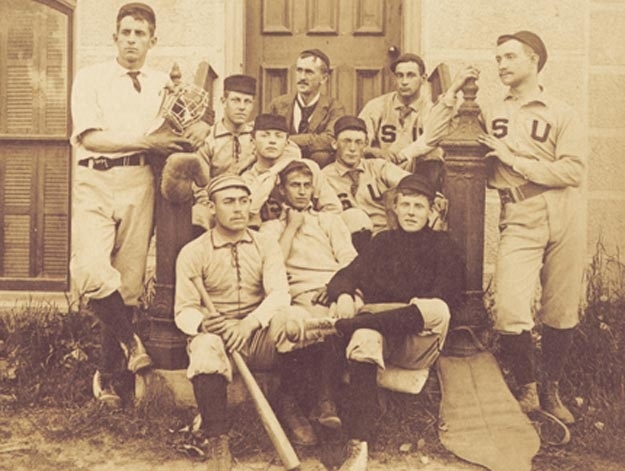
Stephen Crane (November 1, 1871 – June 5, 1900) was an American novelist, short‑story writer and journalist whose brief career left a lasting mark on realism and early modernist fiction. He was born in Newark, New Jersey, the son of the clergyman Jonathan Townley Crane and Mary Helen Peck Crane. He attended Syracuse University in Syracuse but left without taking a degree and moved to New York City in the early 1890s to pursue a writing career, reporting first on the difficult conditions of life in the slums of Manhattan.
Image gallery
10 Images



Early career and major works
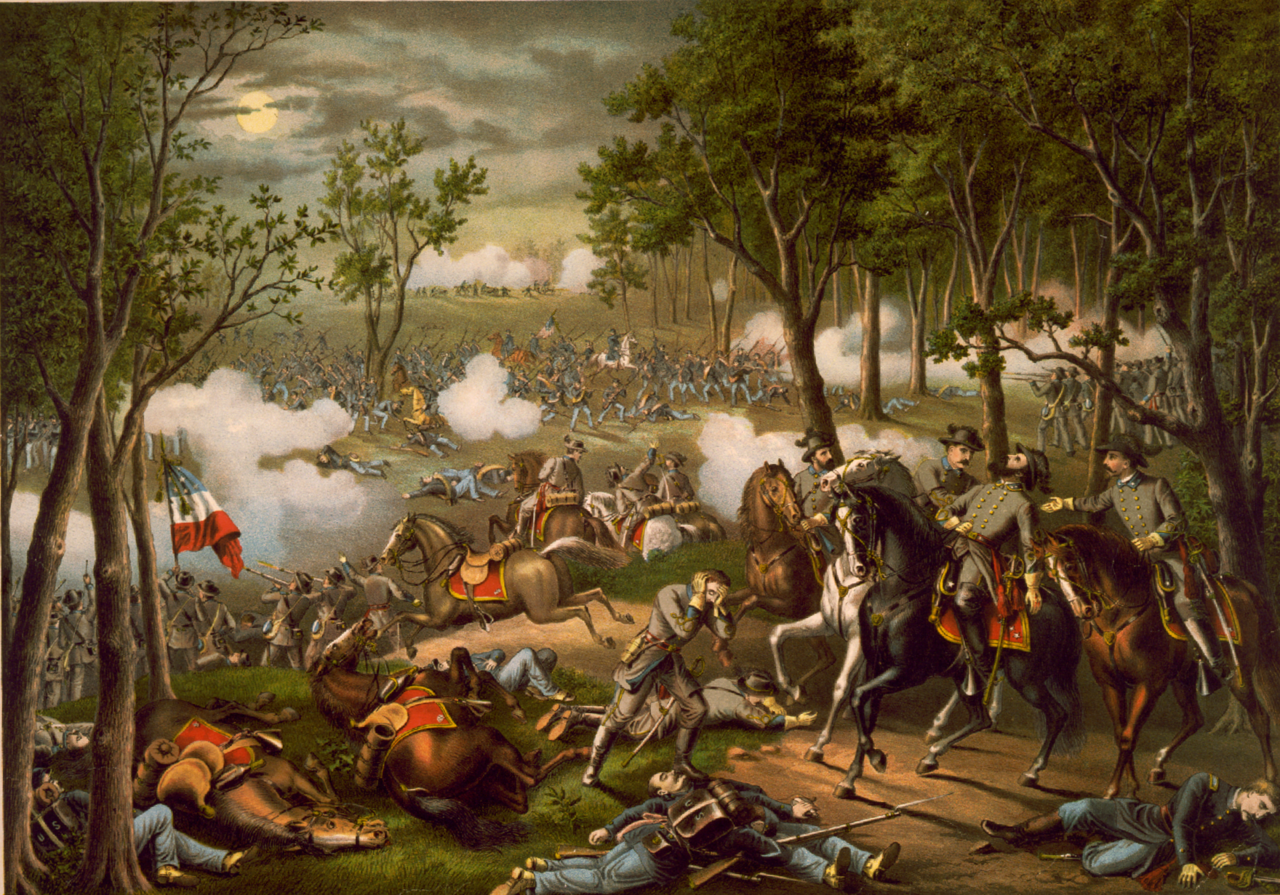
Crane began publishing stories in his early twenties. His first extended work, Maggie: A Girl of the Streets (1893), presented an unflinching naturalistic portrait of poverty and social neglect and was at first published anonymously. He achieved wide recognition with The Red Badge of Courage (1895), a novel noted for its vivid psychological realism and for conveying the confusion and fear of battle despite Crane's lack of combat experience. Another important work is the short story "The Open Boat" (published 1897), drawn from Crane's own experience of a shipwreck and celebrated for its spare prose and meditation on human vulnerability and the indifferent forces of nature.
Themes, style and technique
Crane's writing blends close realistic detail with impressionistic imagery and symbolic overtones. He is often associated with naturalism because of his attention to social forces and deterministic elements, yet his work also foregrounds individual perception and the interior life. Recurring themes include the chaos and anonymity of modern life, the experience of fear and courage in war, social marginality, and existential isolation. Critics praise his economical, vivid prose, his use of irony, and his ability to evoke psychological states through concrete sensory detail.
Journalism, travel and later writing
In addition to fiction, Crane supported himself as a journalist and correspondent. He traveled widely in the United States and abroad, writing reportage and sketches for newspapers and magazines. These experiences fed his fiction and helped shape his reputation as a writer who could move between literary forms. Critical assessments and collected editions of his journalism and fiction have been published and discussed in numerous reviews and scholarly volumes over the decades, including annotated collections and studies of reception and influence (reviews and editions).
Health, death and burial
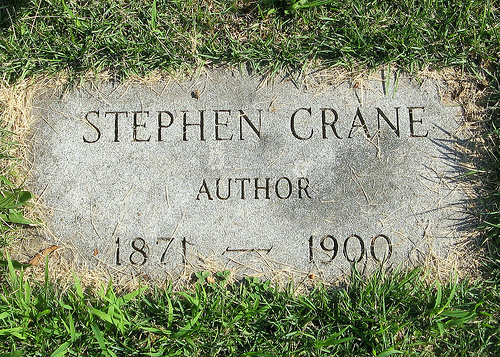
Crane's health was fragile throughout his adult life. In the late 1890s he sought treatment for deteriorating health and entered a sanatorium at Badenweiler in Germany. He died on June 5, 1900, of tuberculosis. He was buried in Evergreen Cemetery in Hillside, New Jersey. His early death cut short a productive period of experimentation in both fiction and reporting.
Reception and influence
Although Crane's reputation varied during the years after his death, scholars recognize his contributions to narrative technique and to the development of modern fiction. His intense focus on perception, his compressed and evocative sentences, and his willingness to depict the lives of the socially marginal anticipated concerns of twentieth‑century writers. Writers and critics have traced lines of influence from Crane to later modernists and to short‑story traditions in American letters.
Selected bibliography and resources
- Maggie: A Girl of the Streets (novella, 1893)
- The Red Badge of Courage (novella, 1895)
- "The Open Boat" and other short stories (collected across the 1890s)
- Poetry, sketches and newspaper reporting from his travels
For further information consult material on his birthplace, family background, and education, or explore accounts of his time in Syracuse and New York. Contemporary readers may also find useful discussions of his reporting on urban slums, collected editions of Maggie and The Red Badge of Courage, bibliographies and reviews and editions, the text of "The Open Boat", and documentation of his final years in Badenweiler and his cause of death (tuberculosis).
Crane remains a central figure in studies of American realism and early modernism: his works continue to be taught, edited and interpreted for their formal innovation and psychological acuity.
Related articles
Author
AlegsaOnline.com Stephen Crane: Life, Works and Literary Contribution Leandro Alegsa
URL: https://en.alegsaonline.com/art/93751
Sources
- biography.com : Stephen Crane biography
- gradesaver.com : Biography of Stephen Crane