
The Red Badge of Courage
Stephen Crane's 1895 Civil War novel about a young soldier's confrontation with fear and courage, noted for its psychological realism, impressionistic style, and lasting influence on war literature.
Overview
The Red Badge of Courage is a short novel by Stephen Crane, first published in 1895. It follows Henry Fleming, a young Union soldier, as he faces combat, fear, and the desire for glory during an unnamed campaign of the American Civil War. The book has been widely read as a study of individual psychology in wartime and remains a staple of American literature curricula. For a direct reference to the work, see this novel, and for historical context, see resources on the Civil War.
Image gallery
5 Images
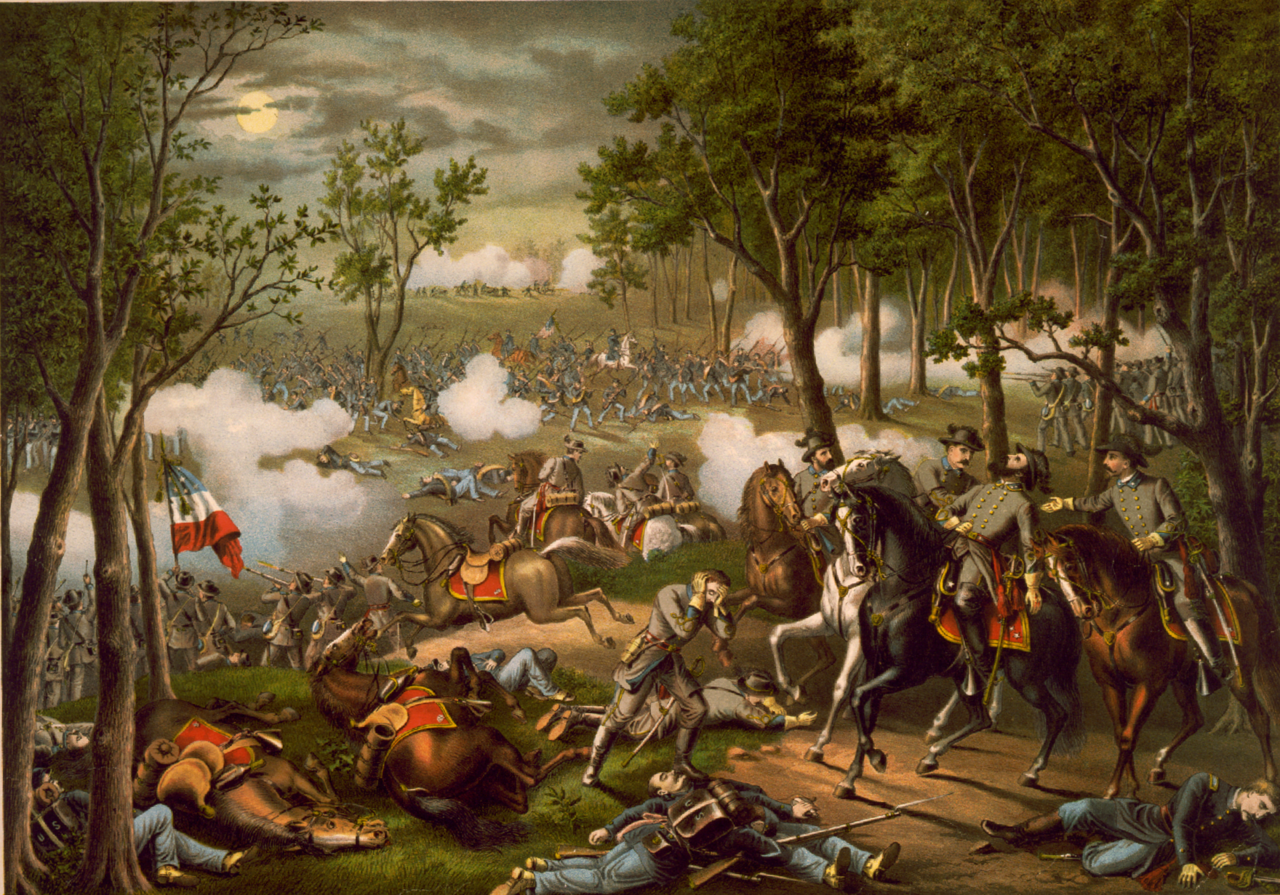


Structure and style
The narrative is concise and divided into short chapters across three parts. Crane's prose is noted for its impressionistic, journalistic clarity: scenes are painted through sensory detail and interior reflection rather than lengthy exposition. Crane was in his twenties when he wrote the book and was not a Civil War veteran; his approach relied on observation, reporting skills, and imaginative empathy to render battlefield experience.
Themes and techniques
The novel explores several interlocking themes through symbolic imagery and close focalization on Henry's thoughts. Central concerns include the nature of courage, the shame associated with perceived cowardice, the search for identity, and the bonds between soldiers. Crane frequently uses color and physical detail—the eponymous "red badge" of wound becomes a complex symbol of honor, survival, and self-deception.
- Psychological realism: internal conflict over outward behavior.
- Naturalistic elements: determinism and the environment's indifference.
- Symbolism: wounds, flags, and weather as moral and emotional markers.
Plot outline and notable features
Without recounting all events, the story charts Henry's progression from eager recruit to frightened deserter and then to a soldier who must reconcile his fears with acts of courage. Crane's compact scenes emphasize moments of crisis, rumor, and rumor's effects on morale. The point-of-view often shifts subtly between close interiority and brief, more distanced summaries, creating a cinematic immediacy that was unusual for its time.
Publication, reception, and adaptations
Published by D. Appleton & Co. in 1895, the novel drew attention for its modern tone; contemporary critics praised its realism and narrative power, though some questioned its lack of direct battle experience. Over time it has become a classic of American letters, influencing later war fiction and criticism. The story was adapted for film, most notably in a 1951 motion picture starring Audie Murphy (see film adaptation), and it continues to be taught, adapted, and debated in literary studies.
Legacy and distinctions
The novel is often cited as an early example of psychological realism and American naturalism. Its compact, imagistic style and focus on an ordinary protagonist's interior life distinguish it from earlier epic or historical war narratives. Readers and scholars continue to examine Crane's methods, his use of language, and the work's place within both Civil War memory and the evolution of modern fiction.
Related articles
Author
AlegsaOnline.com The Red Badge of Courage Leandro Alegsa
URL: https://en.alegsaonline.com/art/98716