
Stephen P. Cohen (American political scientist)
American scholar of South Asian security, known for work on Pakistan, India, civil-military relations, and nuclear issues; senior fellow at Brookings and emeritus professor at University of Illinois.
Stephen P. Cohen (1936–2019) was an American political scientist and specialist in South Asian security affairs. Over a long career he became widely respected for research on Pakistan, India, civil-military relations, and nuclear and strategic stability in South Asia. His writing and public commentary sought to explain how domestic politics, military institutions, and regional rivalries shape security choices.
Cohen published more than a dozen books and numerous articles. Two of his best-known works examine Pakistan’s institutions and identity: The Pakistan Army (on the military’s role in politics and society) and The Idea of Pakistan (on the country’s formation, tensions, and prospects). His research emphasized patterns of civil-military interaction, the impact of nationalism and political fragmentation, and the risks posed by proliferation and insurgency.
In addition to academic writing, Cohen combined scholarship with practical engagement. He served as a senior fellow at the Brookings Institution and as an emeritus professor at the University of Illinois at Urbana-Champaign, where he taught and mentored students. He also acted as a consultant and interlocutor for policy makers, think tanks, and media seeking expertise on South Asia.
Colleagues and commentators credited Cohen with bringing a measured, historically informed perspective to controversial topics such as India-Pakistan rivalry and nuclear deterrence on the subcontinent. He appeared in public forums, congressional hearings, and international dialogues, and was listed among influential voices in U.S. foreign policy circles.
Cohen retired from regular teaching but remained active as a scholar and adviser until his death on October 27, 2019, at the age of 83. His books continue to serve as introductory texts for students and reference works for analysts studying South Asian security.
Image gallery
2 Images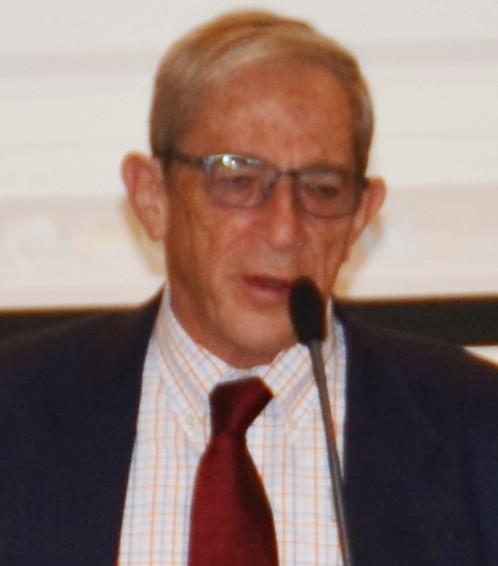

Further reading and sources
Related articles
Author
AlegsaOnline.com Stephen P. Cohen (American political scientist) Leandro Alegsa
URL: https://en.alegsaonline.com/art/93761
Sources
- spp.nus.edu.sg : "Stephen Philip Cohen" · archive.is
- newswire.ca : "Media Advisory - Rising India's "Pakistan Problem""
- dnaindia.com : "Kashmir conflict will last for 100 years: Author Stephen P Cohen"
- tribune.com.pk : "The Future of Pakistan"
- brookings.edu : "Stephen P. Cohen, Leading Expert on India, Joins Brookings as Senior Fellow"
- utexas.edu : "Lecture" · web.archive.org
- acdis.illinois.edu : acdis.illinois.edu
- theweek.in : Stephen Cohen, pioneering strategic affairs expert on India, dies at 83