
Syracuse, New York — overview, history, economy and culture
An accessible overview of Syracuse, New York: its location, history as the "Salt City," institutions, economy, culture, and notable features including heavy snow and university life.
Overview
Syracuse is a city in the central part of the U.S. state New York. Historically nicknamed the "Salt City" because of large 19th-century salt works fed by local springs, Syracuse has long served as a regional center for education, health care and commerce. Population figures have varied over time; earlier counts recorded about 147,306 residents at the turn of the 21st century (2000), while the broader metropolitan area has exceeded half a million people and functions as a market hub (metro area).
Image gallery
10 Images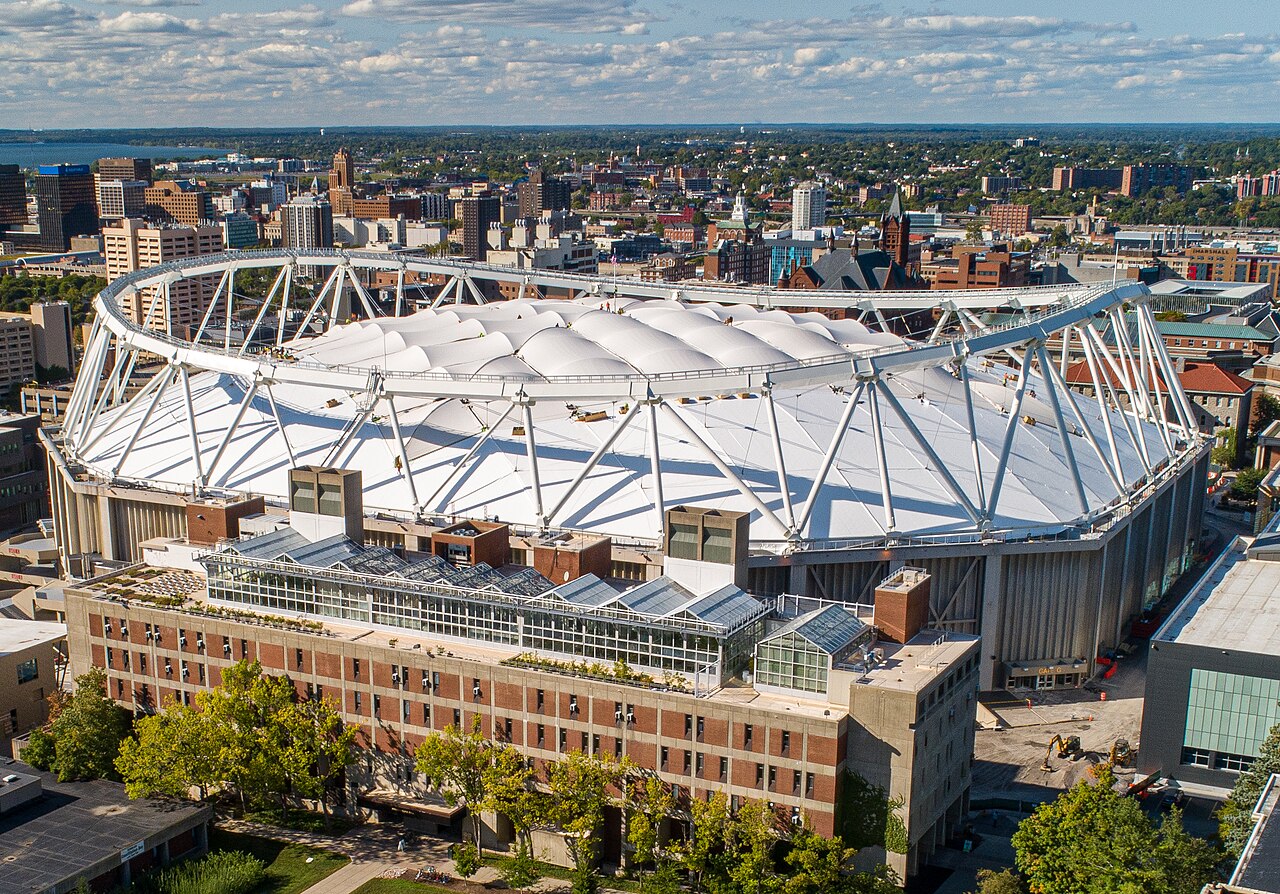


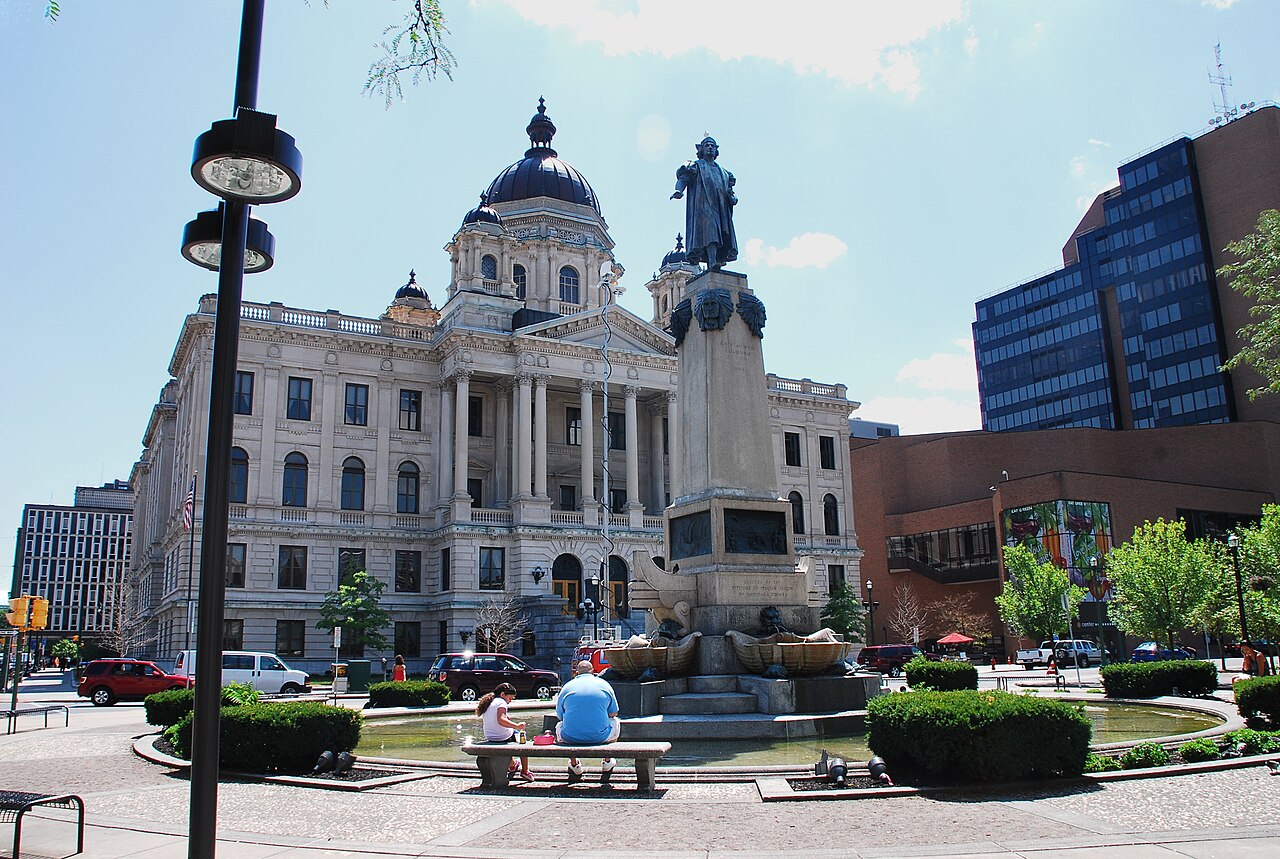




Geography and climate
Syracuse sits near the northern end of the Finger Lakes region and close to Onondaga Lake, which influenced early settlement and industry. The city is notable for a lake-effect snow climate: winters can bring heavy snowfall when cold air passes over the nearby Great Lakes. Its inland location placed it along important 19th-century transportation routes and continues to shape regional travel and commerce.
Historical development
The area's natural salt springs were central to early growth; salt extraction and related industries attracted labor and investment in the 1800s. Transportation improvements such as canals and railroads linked Syracuse to broader markets and encouraged manufacturing. Over the 20th century, the local economy diversified away from salt toward manufacturing, services and education.
Economy, institutions and education
Today Syracuse is widely regarded as a university city. Major educational and medical institutions are among the primary employers: a private research university and public health campuses anchor local academics and clinical care (university and medical links). Manufacturing and corporate offices remain part of the economy, and many national and regional companies maintain a presence in the city (companies).
Culture, attractions and community life
Syracuse offers a mixture of museums, theaters, parks and sporting traditions tied to its universities. Cultural venues include performing arts, visual-arts institutions and community festivals. Food, neighborhoods and seasonal events reflect a mix of long-standing local families and a rotating student population. Recreation on nearby lakes and trails is popular in warmer months.
Notable facts and distinctions
- Nickname: "Salt City" due to historic salt production.
- Strong presence of higher education and healthcare institutions.
- Renowned for heavy winter snowfall from lake-effect storms.
- Serves as a commercial and cultural hub for central New York.
For more local details, municipal information and visitor resources consult the city's official pages and regional guides (state links, industry history). Additional background and contemporary statistics are available through regional planning agencies and university research centers (city resources, state resources).
Related articles
Author
AlegsaOnline.com Syracuse, New York — overview, history, economy and culture Leandro Alegsa
URL: https://en.alegsaonline.com/art/95698