
Step pyramid
A stepped, terraced pyramid form used by several ancient cultures for tombs, temples and ceremonies; best known from Egypt, Nubia (Sudan) and Mesoamerica.
Overview
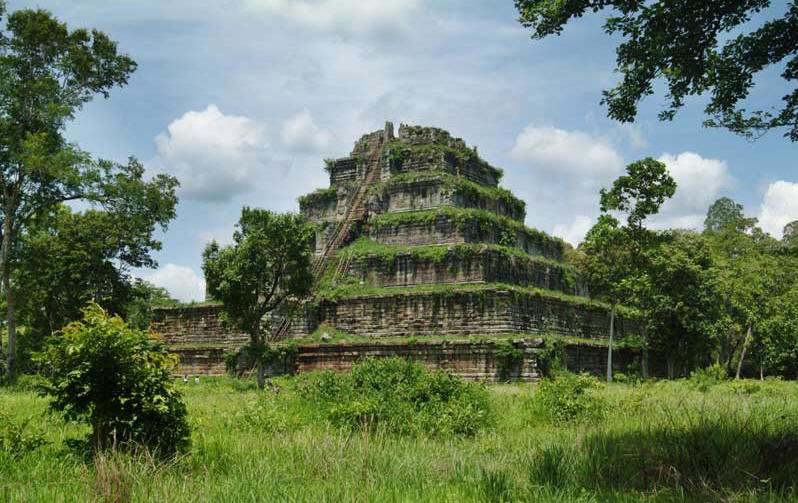
A step pyramid is a pyramidal architectural form composed of a series of stacked platforms or receding terraces that give the structure a stepped appearance. Unlike smooth-sided pyramids, step pyramids emphasize distinct levels and were developed independently by several cultures as monumental religious or funerary constructions. For a general comparison with other pyramid types see pyramids.
Image gallery
10 Images




Design and characteristics
Common features include broad, flat steps or mastaba-like tiers; internal or external stairways; and a compact, often square base that narrows in stages. Construction techniques varied by region and available materials: stone ashlar masonry in Egypt, mudbrick and fired brick in Mesopotamia, and cut stone or packed earth in Mesoamerica and Nubia.
Geographical distribution
Step pyramids appear in several parts of the ancient world. The earliest large examples are in Egypt, where the famous Djoser complex marks an early royal tomb. In what is now Sudan, Nubian rulers built steep, stepped pyramids over royal burials. In Mesoamerica (modern Mexico and Central America), stepped pyramid platforms supported temples and civic spaces. See regional examples for Egypt, Mexico, and Sudan via Egypt, Mexico and Sudan.
History and development
Step pyramids often represent an intermediate stage in monumental architecture. In Egypt, the evolution from single-story mastaba tombs to the multi-tiered step pyramid reflects changes in royal ideology and construction skill. In Mesopotamia, the stepped ziggurat served as a raised platform for temples rather than a burial monument. Mesoamerican societies built temple-pyramids that combined ceremonial functions with astronomical alignments.
Functions and cultural importance
Step pyramids served varied purposes: funerary monuments and royal tombs, bases for temples or shrines, public ritual stages, and symbols of cosmic order. Their tiered form could express social hierarchy or cosmological layers, making them central to religious life and state identity.
Notable examples and distinctions
- Egypt: the Step Pyramid of Djoser at Saqqara — an early stone complex associated with royal burial.
- Mesopotamia: ziggurats — temple platforms with stepped terraces and a shrine on top.
- Mesoamerica: pyramid-temples at Teotihuacan and later Maya and Aztec sites, often with stairways aligned to rituals.
- Nubia (Sudan): steep royal pyramids marking Kushite burials, distinct from Egyptian smooth-sided forms.
These examples highlight how similar structural ideas — stacking levels to reach height and prominence — were adapted to local beliefs, materials, and social needs across the ancient world.
Related articles
Author
AlegsaOnline.com Step pyramid Leandro Alegsa
URL: https://en.alegsaonline.com/art/93734