
Stonehenge, Avebury and Associated Sites
Neolithic and Bronze Age ceremonial landscape in Wiltshire, England, featuring Stonehenge, Avebury and nearby earthworks, burial mounds and avenues; inscribed as a UNESCO World Heritage Site.
Overview
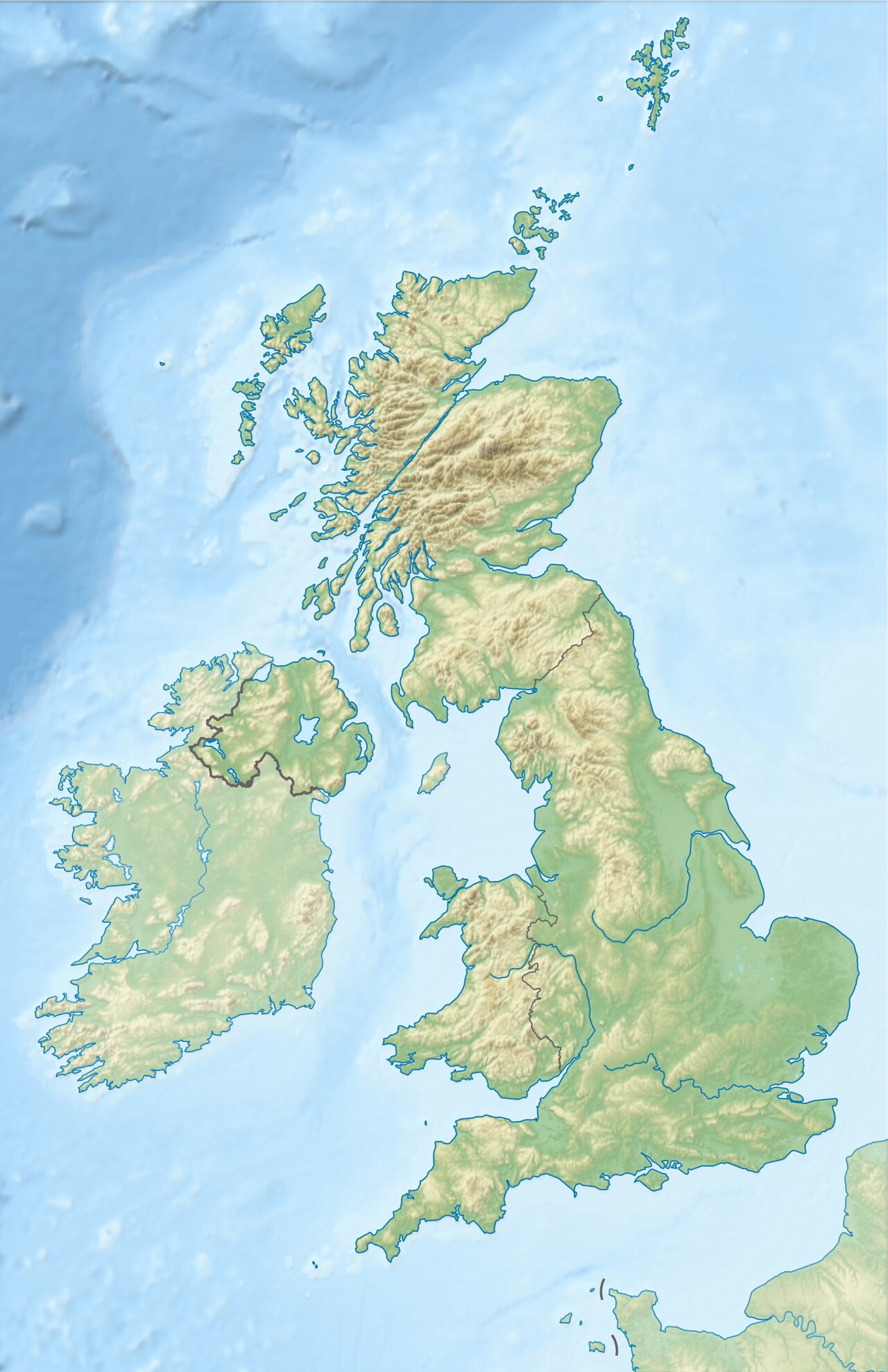
Stonehenge, Avebury and Associated Sites form a contiguous prehistoric landscape in Wiltshire, England, recognized for its concentration of large stone monuments, earthen henges, long barrows and other ritual or funerary earthworks. The group is inscribed as a UNESCO World Heritage Site and is often described as one of the best surviving complexes of Neolithic and Bronze Age ceremonial architecture. The monuments lie in the rolling chalk downland of Wiltshire and are among the most intensively studied prehistoric sites in Britain.
Image gallery
7 Images




Principal features and characteristics
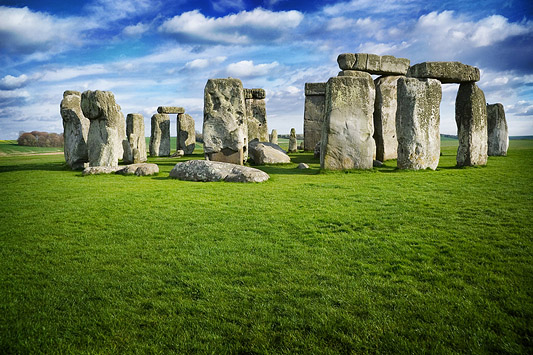
The two best known components are Stonehenge and Avebury. Stonehenge consists of concentric rings and horseshoe arrangements of large standing stones (sarsens and smaller ‘bluestones’) set within an earthwork enclosure; the arrangement includes trilithons and a distinctive stone avenue. Avebury comprises one of the largest stone circles in Europe, set inside a substantial circular bank and ditch (a henge), and includes passages and avenues that link to nearby features. Across the wider area there are long barrows, cursus monuments, burial mounds and avenues that together form a designed ritual landscape.
History and development
These monuments were constructed in multiple phases during the late Neolithic and early Bronze Age, broadly between about 3000 and 1500 BCE. Construction involved large-scale earthmoving to create banks and ditches and the transport and erection of heavy stones. Over millennia the sites were reused, modified and, in some cases, partially dismantled. Modern archaeological methods—excavation, surveying, radiocarbon dating and landscape analysis—have refined understanding of their sequence and function, though many aspects remain debated.
Uses, significance and research
Scholars interpret the monuments as having ceremonial, funerary and social functions. Stone alignments and sightlines at both Stonehenge and Avebury have prompted research into possible astronomical orientations, including solstitial alignments, which may have been used for calendrical or ritual purposes. The sites have long attracted antiquarian interest and, more recently, systematic archaeological investigation, conservation work and public interpretation. They are managed for research, preservation and public access by heritage institutions and are important for education and tourism.
Associated monuments and notable facts
- Silbury Hill: a large artificial mound close to Avebury, notable for its size and unknown internal purpose.
- West Kennet Long Barrow: a Neolithic chambered tomb within the same landscape.
- The Stonehenge Avenue and alignment features link the monument to nearby sites and to the broader ritual topography.
Visitors commonly explore both Stonehenge (Stonehenge) and Avebury (Avebury) and the surrounding monuments. The World Heritage inscription and detailed site management aim to protect fragile archaeology while enabling study and public appreciation; for official information and access guidance see the World Heritage entry and site pages maintained by heritage organizations and the UNESCO listing at the World Heritage Centre.
Related articles
Author
AlegsaOnline.com Stonehenge, Avebury and Associated Sites Leandro Alegsa
URL: https://en.alegsaonline.com/art/94054
Sources
- whc.unesco.org : "Stonehenge, Avebury and Associated Sites"
- english-heritage.org.uk : "Silbury Hill, Avebury"
- avebury-web.co.uk : "Windmill Hill"
- stone-circles.org.uk : "The Sanctuary", Overton Hill