
Stone structures (megaliths): forms, history and significance
Stone structures—often called megaliths—are prehistoric monuments built from large stones. This article describes their types, construction, distribution, cultural roles and notable examples.
Overview
Stone structures are large-built monuments assembled from substantial blocks or single standing stones by past human communities. Often referred to as megaliths, they appear in many regions and span a broad prehistoric timeframe. Large concentrations were erected during the late Neolithic and Bronze Age; many sites, for example, date to periods around the 3rd millennium BC, while others are considerably older or younger.
Image gallery
10 Images




Forms and components
These monuments take several recognizable forms and frequently combine a small set of basic parts. Common types include:
- Menhirs or standing stones — single upright blocks placed singly or in rows.
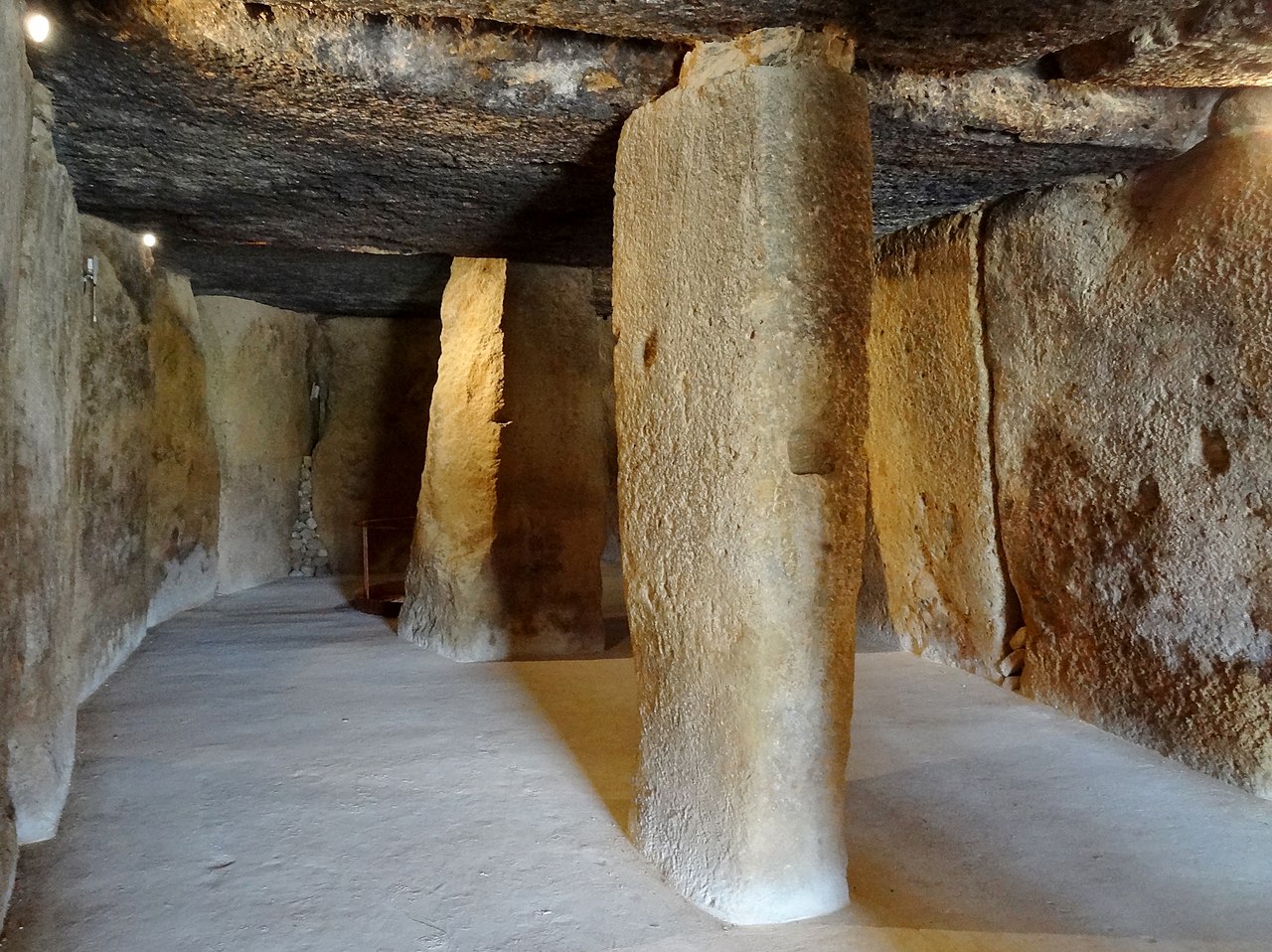
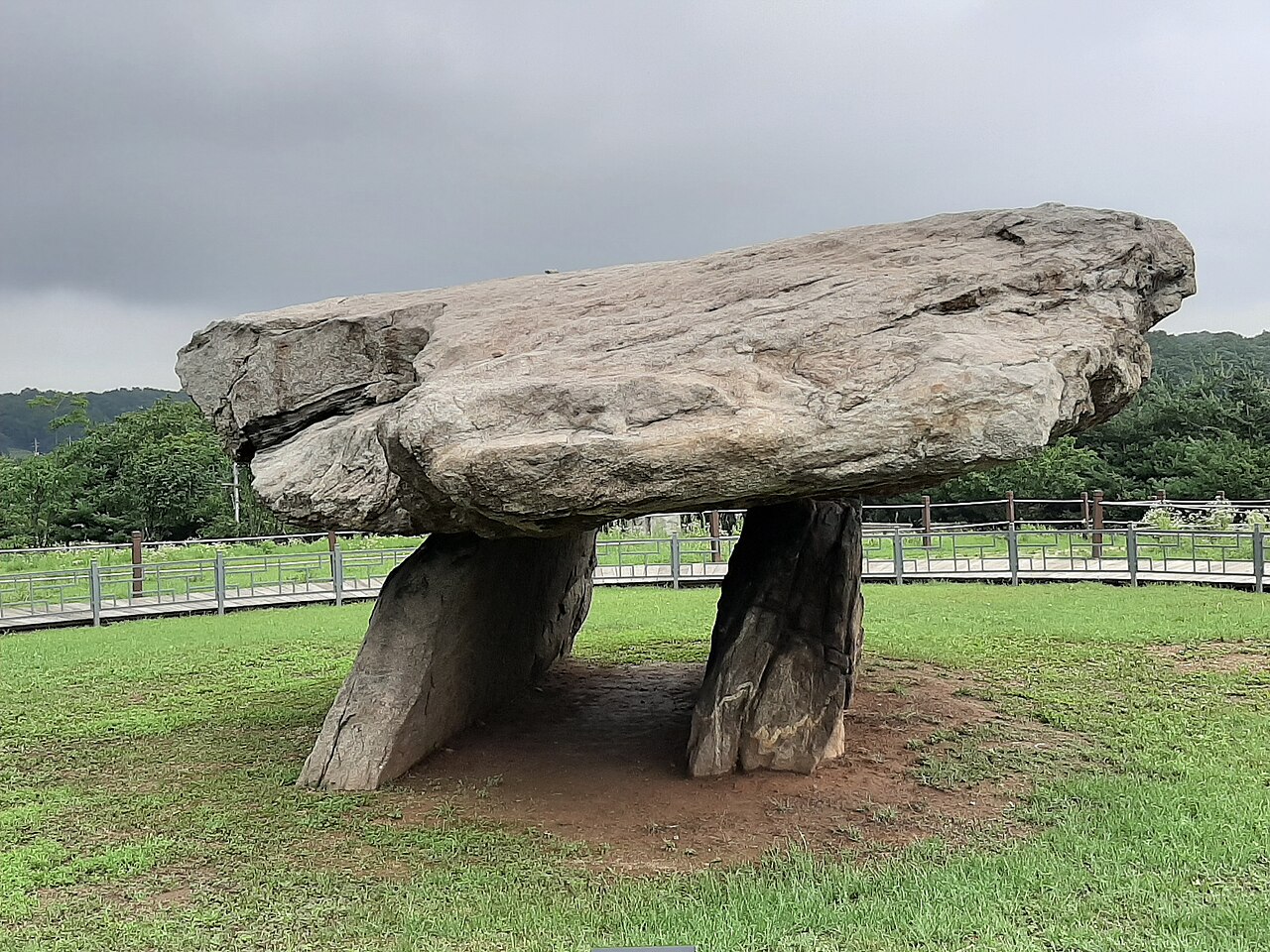
- Dolmens — chambered tombs made of upright stones capped by a horizontal slab.
- Passage graves and cairns — tombs with an internal passage and mound covering.
- Stone circles and alignments — arranged rings or lines of upright stones.
Construction and chronology
Building often required quarrying, shaping, transporting and carefully placing heavy elements, a task that implied communal organization and engineering skill. Techniques varied with local stone types and cultural practices. Chronologies differ widely by region: some megalithic traditions began during the Neolithic and continued into the Bronze Age, producing a rich archaeological record of changing forms and functions.
Uses and cultural significance
Megalithic monuments served multiple roles: burial chambers and memorial sites, markers of territory or routes, focal points for community rituals, and in some cases astronomical observatories aligned with solar or lunar events. Their scale and visibility likely reinforced social cohesion and the authority of groups that organized their construction.
Notable examples
Well-known instances illustrate the variety and reach of the practice. These include famous stone circles, passage tombs and alignments in northwestern Europe, large megalithic cemeteries on continental coasts, and substantial stone enclosures and pillars elsewhere. Each site offers different architectural solutions and regional styles.
Distinctions and study
Scholars distinguish between typologies, local traditions and phases of use: some monuments were reused or modified over centuries. Modern research combines excavation, dating methods and landscape studies to interpret how these stone structures functioned in life and memory. Preservation and respectful study remain central as many sites are protected for their archaeological and cultural value.
Related articles
Author
AlegsaOnline.com Stone structures (megaliths): forms, history and significance Leandro Alegsa
URL: https://en.alegsaonline.com/art/94046