
Stirling Castle — Historic fortress in central Scotland
Prominent medieval royal fortress above the River Forth at Stirling, Scotland; key in Scottish history for defence, royal residence and national ceremonies, now a preserved heritage site with notable halls and palace.
Overview
Stirling Castle sits on a volcanic crag overlooking the crossing of the River Forth at the city of Stirling in Scotland. Its position controlled one of the principal land routes between the Scottish Highlands and the Lowlands and, by extension, access toward the North Sea. For centuries it functioned as a royal residence, military stronghold and ceremonial centre.
Image gallery
10 Images



Architecture and principal features
The castle combines medieval curtain walls and towers with a Renaissance royal palace and large ceremonial spaces. Key components include:
- Great Hall: a large ceremonial chamber used for banquets and court occasions.
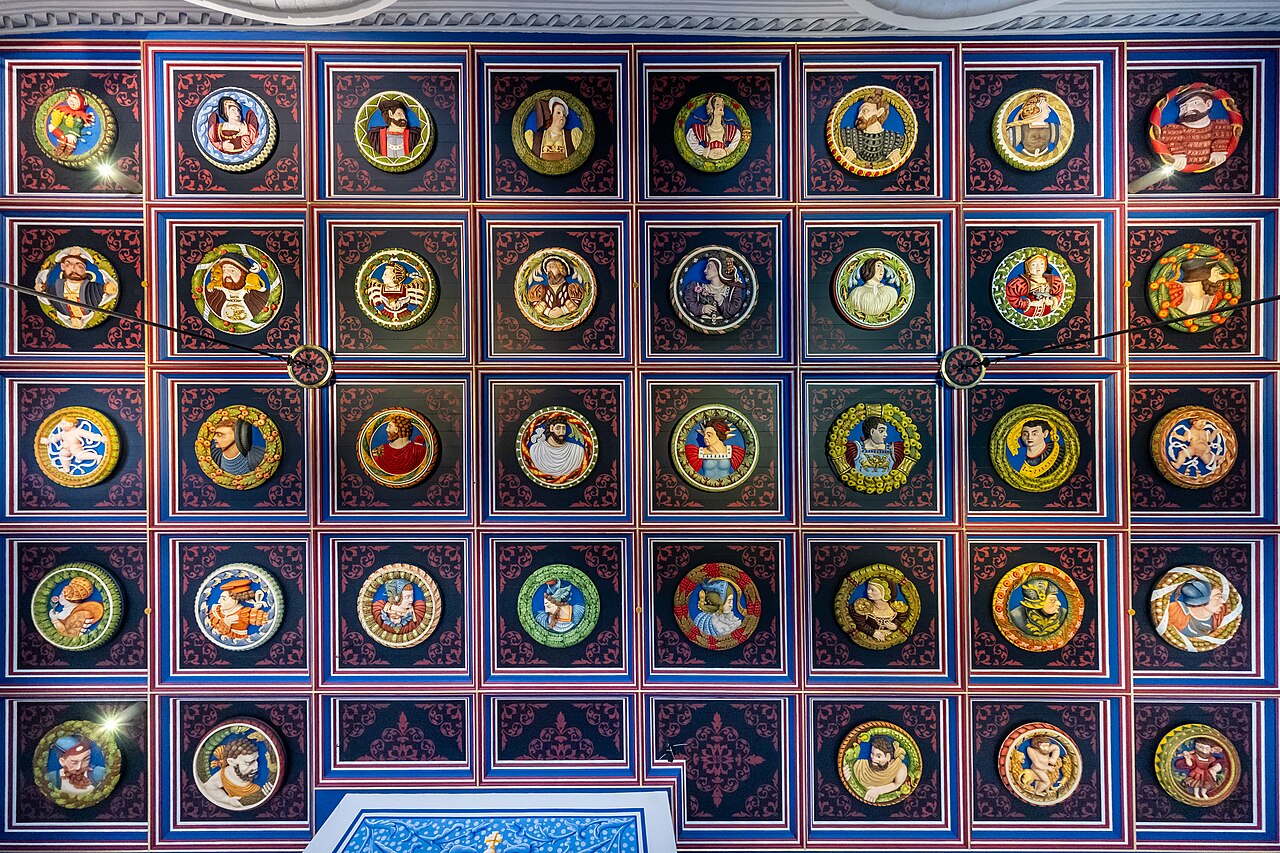
- Royal Palace: lavish royal apartments and decorated rooms reflecting early 16th‑century rebuilding.
- Gatehouse and curtain walls: defensive works adapted over time to resist artillery.
- Chapel and service buildings: facilities for worship, garrison and administration.
History and development
Stirling Castle has origins in the early Middle Ages and grew in importance during the Wars of Scottish Independence; battles near the site, such as Stirling Bridge and Bannockburn, shaped its story. Rebuilding campaigns under later monarchs transformed parts of the fortress into a royal court, especially in the early 1500s, when Renaissance influences were introduced to the palace interiors. It continued to play strategic roles into the early modern period.
Uses, preservation and significance
Today the castle is a major historic attraction and educational resource. It has been conserved and interpreted so visitors can see restored rooms, learn about royal life and military history, and attend living‑history events. Managed as a heritage site, it remains one of Scotland's most visited and studied castles and is widely regarded as an important monument in British history.
Notable facts
Beyond its military value, Stirling Castle hosted coronations and royal residences, symbolising royal authority in the centre of the kingdom. Its commanding site and well‑preserved combination of defensive and domestic architecture make it distinct among British castles.
Questions and answers
Q: Where is Stirling Castle located?
A: Stirling Castle is located in Stirling, Scotland.
Q: What makes Stirling Castle important?
A: Stirling Castle is one of the largest and most important castles in the United Kingdom. It guarded an important crossing of the River Forth, which exits to the North Sea in the east.
Q: How long has Stirling Castle been around?
A: The exact date when Stirling Castle was built is unknown, but it has been around for centuries.
Q: Who built Stirling Castle?
A: The original castle at this site was likely built by King Alexander I in 1110-1113 AD. Over time, many other kings and queens have added to or modified parts of the castle.
Q: What type of architecture can be found at Stirling Castle?
A: The architecture at Stirling Castle includes Gothic, Renaissance and Baroque styles from different periods throughout its history.
Q: What activities are available at Stirling Castle today?
A: Today visitors can explore the castle grounds, visit exhibitions about its history and take guided tours with costumed actors who bring its past to life.
Q: Is there a fee for visiting Stirling Castle? A: Yes, there is an admission fee for visiting the castle grounds and taking part in any activities or tours offered there.
Related articles
Author
AlegsaOnline.com Stirling Castle — Historic fortress in central Scotland Leandro Alegsa
URL: https://en.alegsaonline.com/art/93960