
Stent: definition, types, uses, placement and clinical considerations
A stent is a tubular medical device placed inside vessels or ducts to maintain patency. This article explains types, materials, procedures, risks, history and distinctions from related devices.
Overview
A stent is a small, tubular device — typically metal or polymer — inserted into the lumen of a bodily vessel or duct to keep the passage open. Stents are used across many specialties to treat obstructed or collapsing passages. The action of placing a stent is commonly called stenting, and the devices are often delivered to the target site through a catheter during a minimally invasive procedure.
Image gallery
8 Images



Common types and materials
- Coronary stents: used to support arteries supplying the heart following balloon angioplasty.
- Peripheral stents: for leg, renal or carotid arteries.
- Biliary, ureteral and esophageal stents: placed in ducts or hollow organs to relieve obstruction.
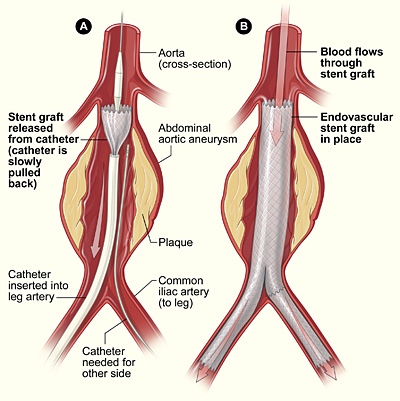
- Stent grafts: combined stent and fabric used in aneurysm repair.
Materials include stainless steel or nitinol (shape‑memory alloy), and various polymers. Designs vary: bare‑metal, drug‑eluting (which release medication to reduce tissue re‑growth), and bioresorbable stents that gradually dissolve.
How stents are placed
Placement is usually image‑guided and performed by interventional cardiologists, radiologists or specialty surgeons. A catheter carries a collapsed stent to the narrowed site; the device is then expanded by a balloon or by self‑expanding force. Procedures are typically percutaneous, require local or general anesthesia, and often follow diagnostic imaging such as angiography.
Clinical benefits and risks
Stents restore and maintain patency, relieving symptoms and reducing organ damage from poor flow. Benefits include symptom relief, prevention of acute occlusion, and avoidance of open surgery in many cases. Risks include restenosis (recurrent narrowing), thrombosis (clot formation), infection, migration, and procedure‑related complications. To reduce clot risk, patients commonly receive antiplatelet therapy after stenting.
History, development and notable distinctions
Stenting developed as an extension of balloon angioplasty and has evolved to include drug‑eluting and bioresorbable designs that address restenosis and long‑term foreign‑body concerns. A stent differs from a shunt: a shunt connects two previously separate body compartments to reroute fluid, while a stent simply props open an existing channel. For more detailed procedural information and device classifications see clinical resources and procedural guides such as angioplasty references or specialty summaries at vascular care pages.
Stents are central to modern interventional therapy and continue to be refined in materials, coatings and delivery systems to improve safety and long‑term outcomes.
Related articles
Author
AlegsaOnline.com Stent: definition, types, uses, placement and clinical considerations Leandro Alegsa
URL: https://en.alegsaonline.com/art/93729