
Bath, Somerset: Roman baths, Georgian architecture, and living heritage
Bath is a city in Somerset, England, known for its Roman thermal springs, 18th‑century Georgian architecture and designation as a UNESCO World Heritage Site, with a rich cultural and educational life.
Overview
Bath is a compact city set in the county of Somerset, in southwest England. It lies to the west of London and close to the city of Bristol. Bath is best known internationally for its hot springs and the archaeological remains and urban fabric that grew around them. The city attracts millions of visitors each year and combines everyday urban life with an exceptional historic core.
Image gallery
10 Images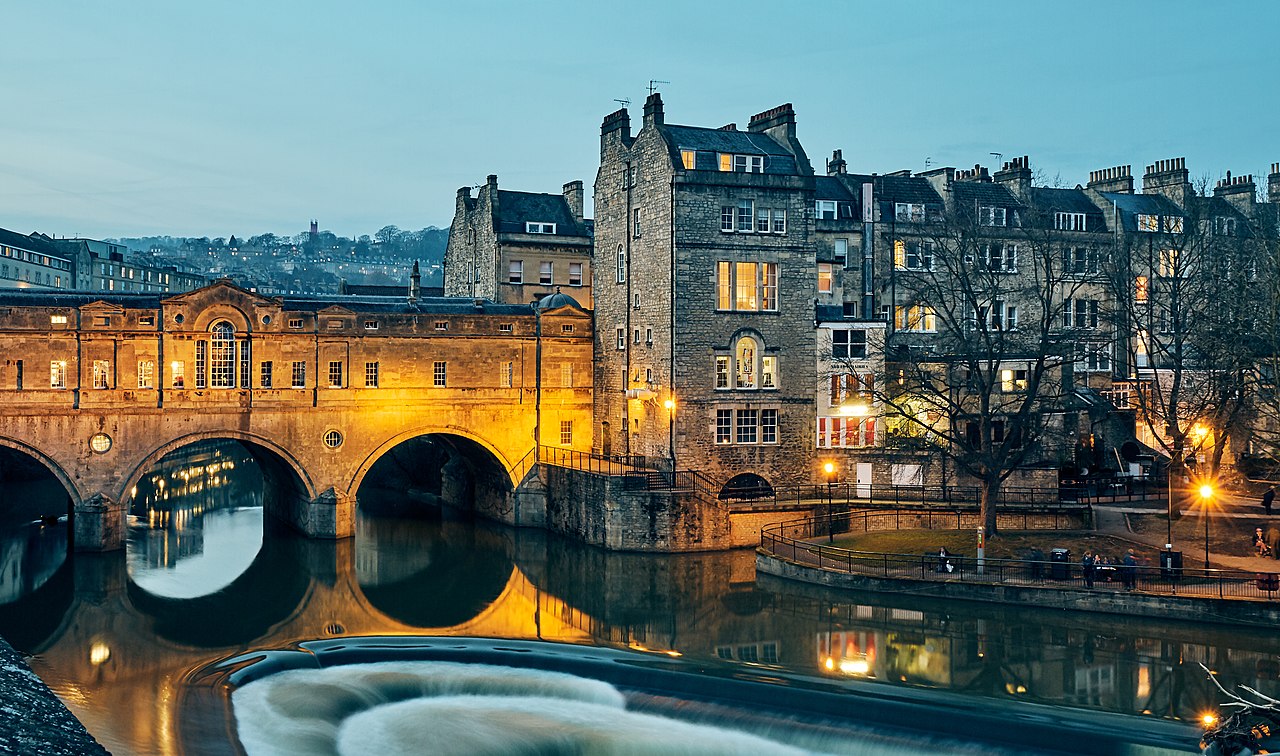




History and origins
The site around Bath has been used for its warm mineral springs since prehistoric times and was developed as a spa town in the Roman period; some Roman fabric and engineering survive beneath later streets. Bath experienced a major revival in the 18th century when elegant housing, public buildings and promenades were built in a cohesive classical style. These layers of history—from antiquity through the Georgian era—contribute to the city’s distinctive character.
Architecture, landmarks and notable remains
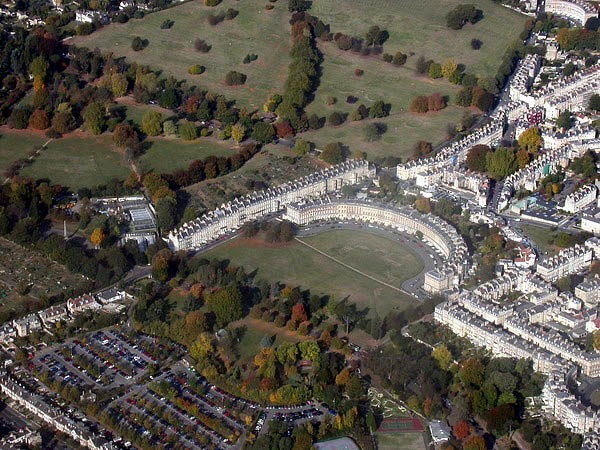
Bath’s streets, terraces and squares are often carved from a local honey‑coloured limestone and include many well‑known monuments. Visitors and residents encounter a mix of ancient and later features, including the preserved Roman bathing complex and museum, the great parish church and cathedral‑like Bath Abbey, the sweeping curved terraces of the Royal Crescent and the geometric Circus. Modern interventions for visitor amenities and spa facilities coexist alongside the historic fabric.
- Roman Baths and Pump Room (surviving baths and archaeological site)
- Royal Crescent and other Georgian crescents
- Pulteney Bridge and riverside walks
- Contemporary visitor spas and cultural venues
Cultural life, education and economy
Bath hosts a range of cultural events—music, literature and performance festivals—and supports a lively arts scene. Two universities and a variety of small creative and professional firms shape the local economy alongside tourism and hospitality. The city is often used as a filming location or backdrop because of its preserved streets and period character.
World Heritage status and conservation
Bath is listed as a UNESCO World Heritage Site in recognition of its archaeological importance and the high quality of its 18th‑century urban landscape. The inscription reflects the survival of Roman remains and the cohesive townscape produced by Georgian planning and architecture. Conservation of the city involves balancing the needs of residents, businesses and visitors while protecting the historic environment from inappropriate development.
Distinctive facts and visiting
The city’s warm mineral springs—once central to its identity as a spa—still feed preserved Roman structures and modern spa facilities. Archaeological deposits, museums and streetscapes together tell a long story of use, adaptation and design. For introductory reading or practical visitor information consult resources on the city’s history, archaeology and cultural programmes, and specialised sites for more detailed study of Bath’s Roman and Roman heritage, its later 18th century architecture and ongoing conservation initiatives.
Tags
Related articles
Author
AlegsaOnline.com Bath, Somerset: Roman baths, Georgian architecture, and living heritage Leandro Alegsa
URL: https://en.alegsaonline.com/art/9364
Sources
- nomisweb.co.uk : nomisweb.co.uk
- whc.unesco.org : "City of Bath"