
Aguascalientes: Mexican state at the heart of the basin
Aguascalientes is a centrally located Mexican state known for its hot springs, urban capital of the same name, industrial economy and the famous Feria Nacional de San Marcos.
Overview
Aguascalientes is a compact state in central Mexico whose capital shares the same name. The state sits on the Mexican Plateau and functions as a regional hub for commerce, manufacturing and culture. It is known for a concentrated urban population, easy road connections to neighboring states, and a role in Mexico's automotive and light industrial sectors. For an official profile see state information.
Image gallery
10 Images







Name and natural features
The name Aguascalientes literally means "hot waters" in Spanish, a reference to the thermal springs that occur in the area. These hot springs and mineral waters were noted by early settlers and remain part of local heritage and place names. Residents are often called hidrocálidos, combining hidro (water) and cálido (warm).
Geography and climate
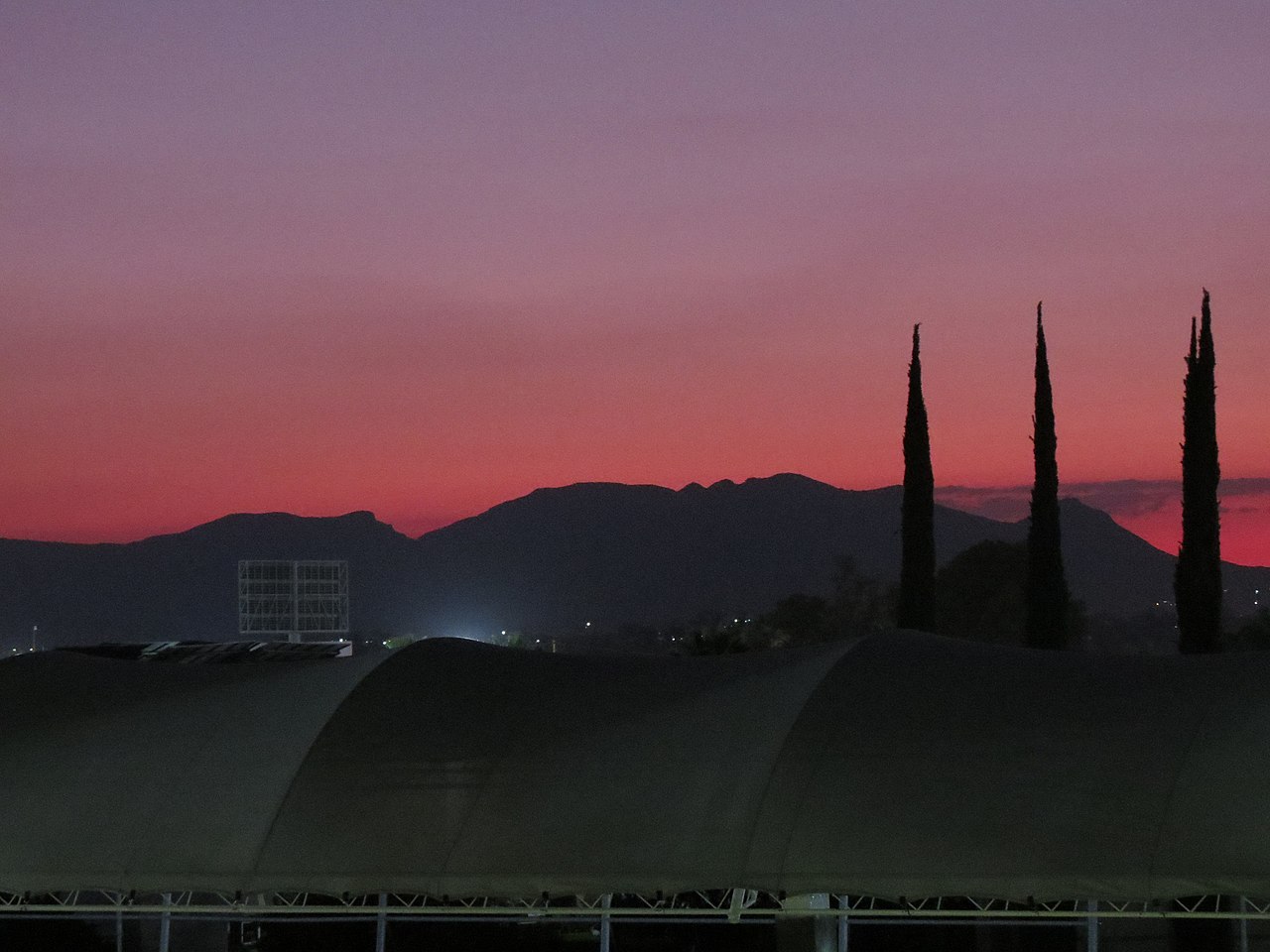
The state occupies part of the central high plains and is characterized by relatively flat terrain with occasional low hills. The climate tends toward semi-arid to temperate, with warm summers and cooler winters than coastal regions. Water sources and irrigated valleys support agriculture close to the capital, while drier lands surround smaller towns and ranches.
History and development
Aguascalientes developed from colonial-era settlements that grew along inland trade routes between Mexico City and northern provinces. Over the 20th century the state urbanized rapidly and attracted manufacturing investment. Industrial parks, export-oriented factories and infrastructure projects have shaped its modern economy and demographic patterns.
Economy, culture and society
The state's economy blends manufacturing, services and agriculture. Major sectors include:
- Automotive and electronics assembly and parts production
- Food processing and light industry
- Commercial services, logistics and small-scale agriculture
Festivals and notable facts
Aguascalientes is best known internationally for the Feria Nacional de San Marcos, an annual fair that combines music, art, livestock shows and traditional entertainment. The state is also notable for its compact size and high urban concentration, which give it a distinctive social and economic profile within Mexico. Visitors commonly explore the historic center of the capital, regional museums, and nearby thermal pools that recall the state's name and origin.
Tags
Related articles
Author
AlegsaOnline.com Aguascalientes: Mexican state at the heart of the basin Leandro Alegsa
URL: https://en.alegsaonline.com/art/1455
Sources
- yucatan.gob.mx : "Gobierno del Estado de Yucatán" · web.archive.org
- senado.gob.mx : "Senadores por Aguascalientes LXI Legislatura"
- sitl.diputados.gob.mx : "Listado de Diputados por Grupo Parlamentario del Estado de Aguascalientes"
- cuentame.inegi.gob.mx : "Superficie"
- cuentame.inegi.gob.mx : "Relieve"
- inegi.org.mx : "Encuesta Intercensal 2015"
- inegi.org.mx : "Aguascalientes"
- pesomexicano.com.mx : "Reporte: Jueves 3 de Junio del 2010. Cierre del peso mexicano"